How to Export Tea to Australia: Import Rules, Taxes & Buyer Requirements
Australia has long been a key player in the global tea market, with a strong appreciation for a diverse range of tea types, including black, green, herbal, and specialty teas. As the demand for quality tea continues to rise in the country, the opportunity for tea exporters to tap into this lucrative market grows.
However, the process of exporting tea to Australia involves understanding the country’s strict import regulations, biosecurity standards, and tax requirements. Whether you are a tea producer, trader, or entrepreneur looking to enter the Australian market, being fully aware of these export requirements is essential to ensure that your tea shipments clear customs and reach their destination smoothly.
In this guide, we will walk you through everything you need to know about how to export tea to Australia, including import rules, taxes, buyer requirements, and compliance with Australian tea import rules. With expert insights and practical advice, you’ll be ready to navigate the complex landscape of Australian tea exports.
The Australian Tea Import Market
Australia’s tea market is well-established, with growing consumer interest in premium and specialty teas. According to recent market research, Australians consumed an average of 2.5 kilograms of tea per person annually. The country’s taste preferences vary, with a particular emphasis on health-conscious products like green tea and herbal infusions. As such, there is ample room for exporters offering unique blends and high-quality tea products.
Tea is mainly imported into Australia from countries such as China, India, Sri Lanka, and Kenya. However, for an exporter, understanding the ins and outs of tea export compliance and regulations is crucial. Australia, being an island nation with specific biosecurity concerns, places high importance on ensuring that imported products, particularly foodstuffs like tea, are safe and free from pests, diseases, and contaminants.
Understanding Australian Tea Import Rules
Biosecurity Regulations for Tea Imports
One of the most critical aspects of exporting tea to Australia is compliance with the country’s biosecurity regulations. Australia has stringent controls in place to prevent the introduction of pests, diseases, and other contaminants that could harm its agriculture and natural ecosystems. The Australian Department of Agriculture, Fisheries, and Forestry (DAFF) and the Australian Quarantine and Inspection Service (AQIS) are responsible for enforcing these regulations.
When exporting tea to Australia, the following steps must be adhered to:
- Treatment Requirements: Certain tea shipments may need to undergo treatment, such as fumigation or irradiation, to eliminate pests or contaminants.
- Packaging Standards: Tea must be packaged in a way that prevents contamination. Packaging must be made from clean materials and free from any foreign matter.
- Inspection: Once the shipment arrives in Australia, it will be subject to inspection by AQIS to ensure it complies with biosecurity standards. This process may include random sampling of the product.
Failing to comply with these regulations can lead to delays, fines, or even the rejection of the shipment.
Tea Documentation Requirements
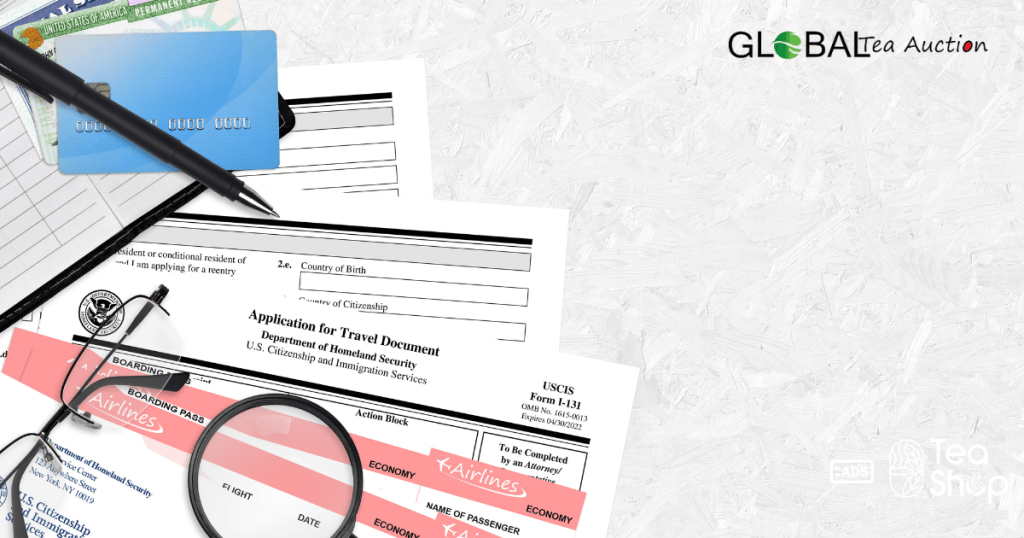
To ensure smooth customs clearance, you must ensure that your tea shipment is accompanied by the appropriate documentation. Common documents required include:
- Import Declaration: This document provides a detailed description of the tea, including its origin, weight, and packaging.
- Phytosanitary Certificate: This certificate is issued by the exporting country’s agricultural authorities to confirm that the tea is free from harmful pests and diseases.
- Invoice: A commercial invoice detailing the value of the tea and terms of sale is needed.
- Bill of Lading: This shipping document outlines the details of the shipment, including the shipper, consignee, and the destination.
It is essential to ensure that all documents are accurate and complete, as errors can lead to delays or extra costs.
AQIS Guidelines for Tea Exports
The AQIS guidelines provide clear instructions on how to comply with Australia’s import rules. Adhering to these guidelines is vital for exporters. AQIS primarily focuses on preventing the introduction of exotic pests, which is why tea imports undergo a rigorous inspection process. While there are no specific guidelines exclusively for tea, exporters must follow the general biosecurity rules for food imports.
Before shipping tea to Australia, exporters should review AQIS’s Import Conditions for Tea to determine whether any special treatment or testing is required for the specific tea variety being exported.
Tea Import Tax Australia: Understanding Duties and Levies
When exporting tea to Australia, it’s essential to understand the various taxes and duties that may apply. Fortunately, tea is generally classified as a non-taxable food item under Australian law. However, this does not mean there are no costs involved in the importation process. The key costs you may face include:
- Customs Duties: While most tea imports are duty-free, some specialty teas or value-added tea products may attract a duty.
- Goods and Services Tax (GST): Imported tea products are generally subject to GST at a rate of 10%. However, tea exporters can claim a credit for GST paid on imports if registered for GST in Australia.
- Other Charges: Importers may face additional charges for customs clearance, handling fees, or inspection costs.
To avoid surprises, it is crucial to check the most up-to-date information on duties and taxes with the Australian Border Force or an experienced customs broker.
Tea Export Compliance: How to Ensure Smooth Shipment
Ensuring tea export compliance is a step-by-step process that involves coordinating with several regulatory bodies. Here’s how you can make sure your tea shipments meet Australian standards:
Work with a Customs Broker
A customs broker can help guide you through the process of ensuring that your tea meets customs clearance in Australia. They are experts in navigating complex paperwork and ensuring that all necessary documents are submitted accurately.
Know the Product Standards
Tea exported to Australia must meet specific food safety standards, including requirements for pesticide residues, contaminants, and allergens. You should ensure your tea complies with Australian food safety regulations. Conducting laboratory testing to confirm your tea meets the required standards can help prevent shipment rejections.
Buyer Requirements in Australia: What Tea Importers Need
Demand for High-Quality Tea Products
Australian buyers are particularly discerning when it comes to the quality of tea. The demand for organic, fair-trade, and sustainably sourced tea has grown significantly in recent years. Tea exporters who can provide premium products that meet these expectations will have a competitive advantage.
Certification and Labelling Requirements
In addition to biosecurity regulations, tea imports to Australia must meet strict labelling requirements. The label must contain key information, such as:
- Product name
- Country of origin
- Ingredient list
- Expiry or use-by date
- Storage instructions
- Allergen information, if applicable
Providing clear, accurate, and informative labels will help build trust with Australian consumers and retailers.
Tips for Successful Tea Export to Australia
- Partner with Local Distributors: Consider working with local distributors or importers who are familiar with Australian tea market dynamics and can help you navigate the regulatory environment.
- Stay Updated on Regulations: Australian import regulations are constantly evolving, so it is crucial to stay updated on changes that may affect your shipments.
- Ensure Packaging Compliance: Packaging is critical for maintaining the quality and safety of tea products. Use clean, contaminant-free materials and ensure your packaging meets Australian standards.
FAQs About Exporting Tea to Australia
Q1: What are the common challenges when exporting tea to Australia?
A1: Common challenges include ensuring compliance with biosecurity regulations, meeting customs clearance requirements, and managing documentation accurately. Additionally, understanding the import tax structure and packaging standards can pose difficulties.
Q2: How can I avoid delays in tea customs clearance in Australia?
A2: To avoid delays, ensure all required documentation is complete and accurate. Work with a customs broker to help navigate the import process and ensure compliance with AQIS guidelines.
Q3: Are there any certification requirements for tea exports to Australia?
A3: Yes, tea exports must meet Australia’s food safety standards. Depending on the type of tea, you may need to provide certificates such as a phytosanitary certificate or a food safety certification.
Q4: What are the tea import duties in Australia?
A4: Most tea imports are duty-free. However, certain types of specialty teas or value-added tea products may attract import duties. Always check with a customs broker for up-to-date information on applicable taxes.
Q5: How important is packaging when exporting tea to Australia?
A5: Packaging plays a critical role in ensuring compliance with biosecurity regulations and protecting the quality of tea during shipping. It should be clean, free from contaminants, and meet Australian standards.
Conclusion: Ensuring a Successful Tea Export Journey
Exporting tea to Australia can be a rewarding venture, but it requires careful attention to compliance with biosecurity regulations, documentation requirements, and import taxes. By working closely with experienced customs brokers, understanding Australian tea import rules, and adhering to food safety standards, you can ensure that your tea reaches Australian consumers efficiently and without issues.
As the demand for high-quality tea continues to grow, now is the perfect time to expand your business into the Australian market. Just remember, thorough research and preparation are the keys to successful tea exports to Australia.