
From Leaf to Cup: How Australia Imports Tea From Asia
For millions of Australians, the day doesn’t truly begin until the kettle boils. Whether it’s a robust English Breakfast, a delicate Green Tea, or a spicy Chai, tea is woven into the national fabric. Yet, despite this deep cultural affinity, the vast majority of the leaf in our cups is not grown on Australian soil.
While there are small pockets of domestic production in Queensland and Victoria, they cannot meet the massive local demand. Consequently, Australia relies heavily on international trade, specifically looking North. Current data indicates that Australia imports over 80% of its tea from Asian countries.
This reliance creates a complex, high-stakes relationship. The journey of Asian tea to Australia is a logistical marvel, involving intricate supply chains, strict biosecurity hurdles, and fluctuating economic variables. Understanding this journey offers a fascinating glimpse into global trade and explains why your morning cuppa costs what it does.
A History of Trade and Taste
The relationship between Australian consumers and Asian tea producers isn’t new. It dates back to the 19th century. Initially, tea arrived via British trade routes, but the geography of the Asia-Pacific region eventually dictated a more direct approach.
In the era of tea clippers, speed was everything. Merchants raced to bring the freshest harvest from China to the southern colonies. As tastes evolved and the British Empire expanded its agricultural reach, India and Sri Lanka (formerly Ceylon) became dominant suppliers.
Today, the trade routes are established, but the dynamics have shifted. We are no longer just importing commodities; we are importing culture. The rise of bubble tea shops, matcha lattes, and premium Oolong tastings in Sydney and Melbourne reflects a deepening appreciation for the diversity of Asian tea production.
The Titans of Tea: Who Feeds the Australian Market?
Asia is the powerhouse of global tea production. For Australia, specific nations play pivotal roles due to proximity, quality, and established trade agreements.
Statistics show that China and India account for 60% of Australia’s total tea imports. However, they are not the only players. The following table breaks down the key origins and what they typically supply to the Australian market.
| Origin Country | Primary Tea Types | Market Role |
|---|---|---|
| China | Green, Oolong, Jasmine, Pu-erh | The volume leader. Supplies the bulk of green tea and specialty varieties found in Asian grocers and supermarkets. |
| India | Black (Assam, Darjeeling), Chai spices | The backbone of the standard “breakfast” blends. Assam provides the malty punch Australians love in black tea. |
| Sri Lanka | Black (Ceylon) | Known for crisp, citrusy black teas. Often sold as single-origin premium products or high-end blends. |
| Indonesia | Black, Green | A major supplier for lower-cost tea bags and ready-to-drink (RTD) tea products. |
| Vietnam | Green, Black | An emerging player providing cost-effective raw materials for blending. |
This diversity protects the market. If a drought strikes Assam, importers can pivot to Sri Lankan or Indonesian crops to keep the shelves stocked.
The Supply Chain: From Mountain to Market
The movement of supply chain tea AU entails a series of coordinated steps. It is not as simple as loading crates onto a ship. Tea is a sensitive agricultural product. It absorbs moisture and odors, meaning it requires careful handling from the moment it is plucked.
1. Cultivation and Processing
It starts on the misty hillsides of Yunnan or the estates of Nuwara Eliya. Leaves are harvested, usually by hand, and immediately sent for processing (withering, rolling, oxidizing, and drying). The method varies depending on whether the end product is black, green, or white tea.
2. The Auction System
Much of the world’s tea is sold through auction houses in cities like Colombo, Kolkata, and Mombasa. Australian buyers—or the large multinational conglomerates that supply Australian supermarkets—bid on specific lots. This is where price benchmarks are set based on leaf grade and cup quality.
3. Blending and Packaging
This step varies. Some premium Asian tea to Australia is packed at the source to retain maximum freshness and “single-origin” status. However, for mass-market tea bags, the raw tea is often shipped in bulk sacks to blending facilities (sometimes in Europe or Dubai, sometimes in Australia) where it is mixed to create a consistent flavor profile year-round.
4. International Logistics
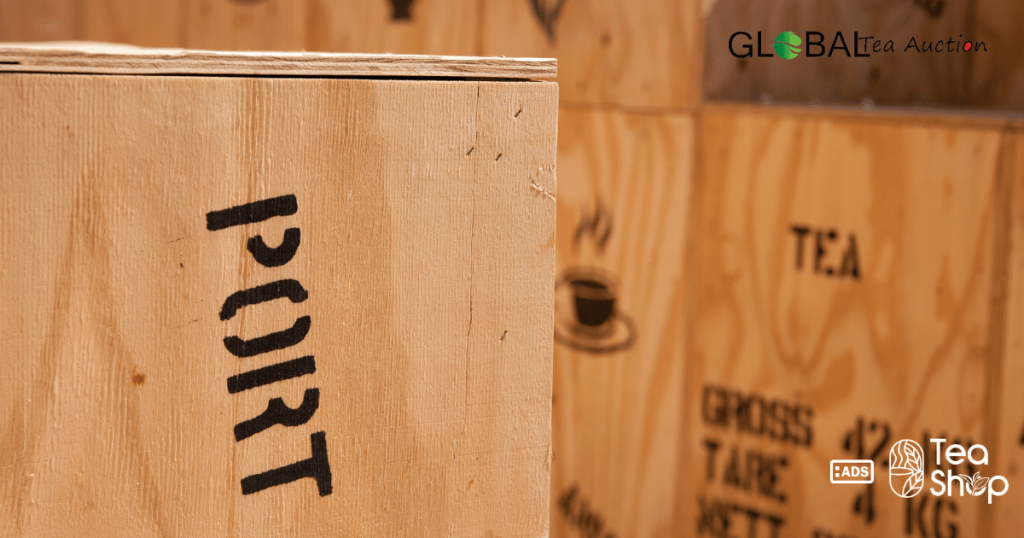
This is the most vulnerable link. Shipping tea AU involves traversing vast ocean distances. Containers must be food-grade and sealed against humidity. If a container has a leak, or if it sits on a humid dock in Singapore for too long, the entire shipment can spoil.
Data suggests that transportation costs make up 20-30% of the final tea price in Australia. This cost includes freight, insurance, and the specialized handling required to keep the product viable.
5. Arrival and Distribution
Upon arrival at ports in Botany Bay or Melbourne, the cargo faces its toughest test: Australian Customs. Once cleared, it moves to distribution centers and finally to retail shelves.
Hurdles in the Harbor: Import Challenges
Importers face a unique set of obstacles when bringing tea into Australia. It is widely considered one of the most difficult markets to enter due to strict regulatory frameworks.
Biosecurity and Quarantine
The Department of Agriculture, Fisheries and Forestry (DAFF) maintains rigorous standards. Tea is plant matter, meaning it can harbor pests like the Khapra beetle. Shipments are frequently inspected. If contaminants are found, the import challenges tea companies face can be ruinous—shipments may be fumigated (which ruins the flavor), re-exported, or destroyed at the importer’s expense.
Pesticide Regulations
Australia has distinct Maximum Residue Limits (MRLs) for agricultural chemicals. Tea grown in some parts of Asia may utilize pesticides that are banned or strictly limited in Australia. Importers must conduct rigorous lab testing before shipping. A batch that is perfectly legal to sell in Beijing might be illegal to sell in Brisbane.
Supply Chain Volatility
Global instability affects the price of your morning brew. Labor shortages in India, political instability in Sri Lanka, or shipping lane disruptions in the South China Sea can all cause immediate price spikes. The reliance on just two countries for 60% of imports creates a concentration risk that procurement managers constantly monitor.
Analyzing the Market Impact
The influx of Asian tea defines the Australian market structure. The annual revenue of the Australian tea market is approximately $250 million, and the vast majority of that value is generated through imported goods.
The Rise of Health and Wellness
Australian consumers are becoming more health-conscious, leading to a shift away from sugary beverages. This has boosted the tea sector, specifically regarding functional teas.
Green tea consumption in Australia has increased by 15% in the last five years. This surge is directly supplied by Chinese and Japanese imports. We are also seeing growth in herbal infusions and Traditional Chinese Medicine (TCM) blends, which fall under the tea import umbrella.
Price Sensitivity vs. Premiumization
The market is bifurcated. On one end, supermarkets demand low prices for 100-count boxes of tea bags. This pressures importers to source cheaper, mechanized tea from places like Vietnam or Indonesia.
On the other end, there is a booming specialty market. Consumers are willing to pay premium prices for “First Flush” Darjeeling or aged Pu-erh. This segment relies on agile, smaller supply chains that can move high-value Asian tea to Australia via air freight rather than slow ocean cargo, prioritizing freshness over cost.
Future Trends in the Tea Trade
What does the future hold for the link between Australian cups and Asian fields? Several trends are reshaping the landscape.
Sustainability and Ethics
Australians are increasingly asking, “Who picked my tea?” Ethical sourcing certifications (Fairtrade, Rainforest Alliance) are moving from “nice-to-have” to mandatory for major retailers. This puts pressure on Asian producers to improve labor conditions and on importers to provide transparent traceability.
Diversification of Origin
To mitigate the risk of relying too heavily on China and India, importers are exploring other regions. Nepal and Taiwan are gaining traction for their high-quality Oolongs and black teas.
Direct-to-Consumer Models
E-commerce is disrupting the traditional supply chain tea AU models. Enthusiasts can now order directly from farms in Kyoto or estates in Assam. This bypasses traditional wholesalers, allowing for fresher product and better margins for farmers, though it complicates biosecurity compliance on a micro level.
Closing Thoughts
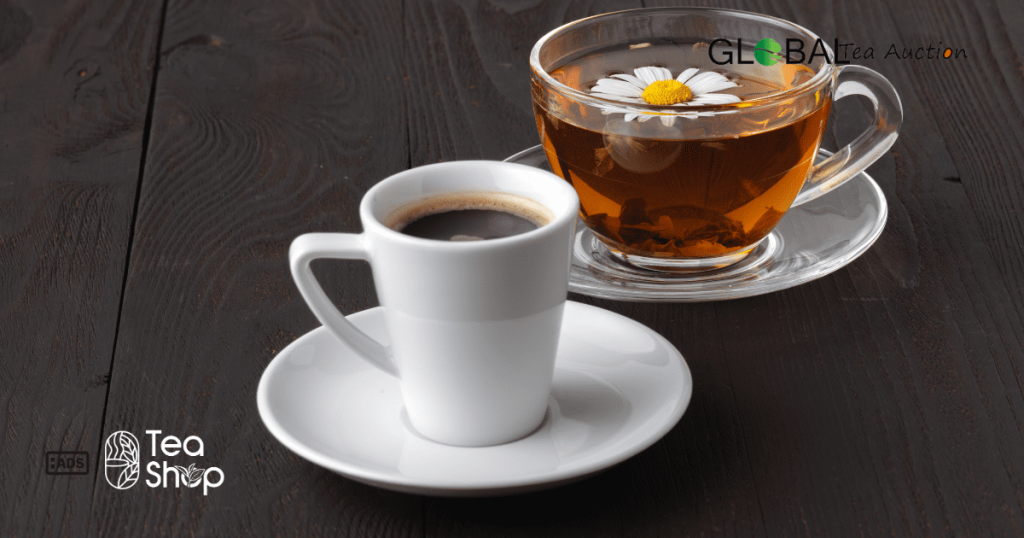
The connection between Australian consumers and Asian tea farmers is vital and enduring. While we may not see the tea bushes from our windows, the leaves picked in Asia drive a $250 million local industry and fuel our daily rituals.
As the market evolves, the focus is shifting from volume to value. The challenges of shipping tea AU—from biosecurity to rising fuel costs—will remain, but the thirst for high-quality, diverse tea varieties shows no sign of slowing down. For the industry, the key to success lies in building resilient, transparent, and ethical supply chains that honor the journey from the Asian field to the Australian cup.
Frequently Asked Questions
Why doesn’t Australia grow its own tea to reduce imports?
While Australia does grow tea (notably Daintree tea in Queensland), the cost of labor and water makes it difficult to compete with Asian producers on price. Additionally, the specific microclimates required for certain tea varieties (like high-altitude Darjeeling) do not exist here.
What are the main “import challenges tea” businesses face?
The biggest challenge is Australian biosecurity. Strict quarantine laws meant to protect local agriculture can lead to delays and rejected shipments. Furthermore, varying pesticide standards between Asian growing regions and Australian law often require expensive testing.
How long does “shipping tea AU” take from Asia?
Sea freight from major Asian hubs like Shanghai or Colombo to Australian ports typically takes between 14 to 25 days. However, delays at ports and customs clearance can extend this timeline significantly.
Does imported tea lose freshness during travel?
It can if not handled correctly. Quality importers use moisture-barrier packaging and ensure containers are sealed against humidity. High-end specialty teas are sometimes air-freighted to ensure maximum freshness, though this increases the price.
How do free trade agreements impact Asian tea to Australia?
Australia has Free Trade Agreements (FTAs) with key partners like China, India, and Indonesia. These agreements generally reduce or eliminate tariffs on tea imports, helping to keep retail prices stable for Australian consumers.
Is green tea becoming more popular than black tea?
Black tea still holds the majority share, but green tea is growing faster. Green tea consumption has increased by 15% in the last five years, driven by health trends and the influence of Asian culinary culture in Australia.
Who regulates the safety of imported tea?
The Department of Agriculture, Fisheries and Forestry (DAFF) manages biosecurity risks at the border. Food Standards Australia New Zealand (FSANZ) sets the standards for safety, including pesticide limits and labeling requirements.
Recommended Reading
- Department of Agriculture, Fisheries and Forestry – Importing Plant Products
- Food Standards Australia New Zealand (FSANZ)
- The Food and Agriculture Organization (FAO) – World Tea Markets