
Popular Tea Types in Australia: What Australians Drink the Most in 2025
Australia’s love affair with tea is as deep and varied as the continent itself. From the morning ritual of a strong black tea to a calming evening herbal infusion, tea is woven into the fabric of daily life. While coffee culture often takes the spotlight, a quiet revolution has been brewing in mugs across the country. Australians are exploring a wider world of tea than ever before, driven by a growing interest in health, sustainability, and unique flavor experiences.
This guide explores the most popular tea types in Australia. We’ll look at the enduring classics, the rising stars, and the exciting trends shaping what Australians will be drinking in 2025. We’ll examine consumption statistics, the cultural importance of tea, and offer expert insights to help you appreciate every cup. Whether you’re a lifelong tea drinker or just starting to explore, you’ll discover why tea remains a cherished beverage down under.
Tea Consumption in Australia: An Overview
Tea has a long and storied history in Australia, arriving with the First Fleet in 1788. For generations, it was the nation’s beverage of choice. While coffee has since become a major competitor, tea consumption remains incredibly strong.
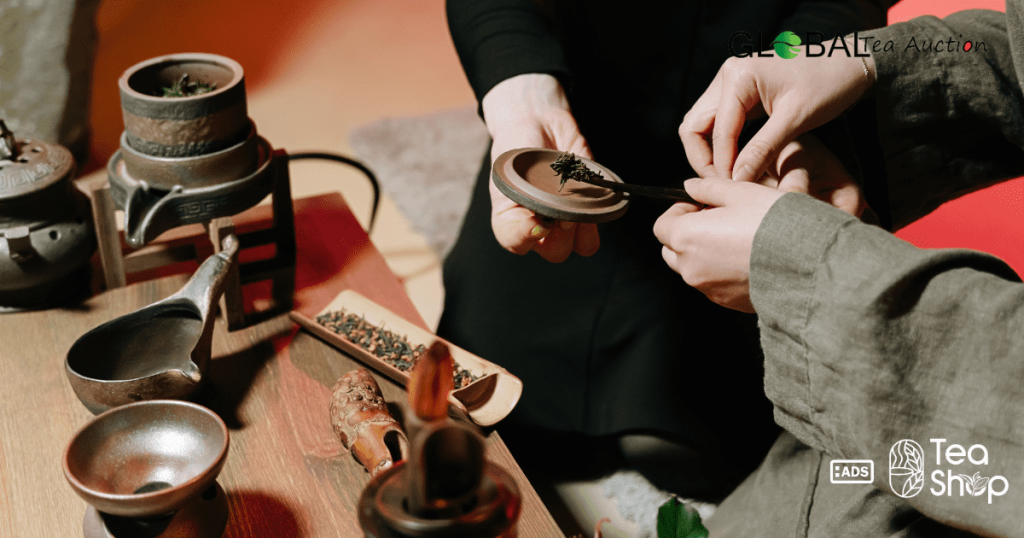
According to IBISWorld, the Australian tea production market is valued at approximately $155.6 million. Each year, Australians consume about 14,000 tonnes of tea. This shows that despite the bustling café scene, tea holds a special place in the hearts and homes of millions. The trend is not just about quantity; it’s also about quality and variety. Consumers are increasingly moving from traditional teabags to premium loose-leaf teas, exploring a diverse spectrum of flavors and origins. This shift reflects a broader interest in wellness and mindful consumption.
Black Tea: The Undisputed Classic
When Australians think of tea, they most often picture a robust cup of black tea. It accounts for the majority of tea sales in the country and is a staple in almost every pantry. Its bold flavor and comforting aroma make it a timeless favorite.
Black tea is fully oxidized, a process that gives it a deep, dark color and a rich, malty flavor profile. This oxidation also contributes to its higher caffeine content compared to other tea types, making it a popular morning beverage.
Popular Types of Black Tea in Australia
- English Breakfast: This is the quintessential black tea blend. It’s a full-bodied and hearty brew, traditionally made from a mix of Assam, Ceylon, and Kenyan teas. It’s strong enough to stand up to milk and sugar, which is how most Australians enjoy it. Brands like Twinings and Dilmah are household names, largely thanks to their English Breakfast offerings.
- Earl Grey: Known for its distinctive citrusy aroma, Earl Grey is a black tea infused with the oil of bergamot orange. It offers a more aromatic and slightly more delicate experience than English Breakfast. It’s a popular choice for an afternoon pick-me-up and is often enjoyed black or with a slice of lemon.
- Australian Breakfast: A relatively new but patriotic blend, Australian Breakfast tea is grown and produced locally, primarily in Queensland and northern New South Wales. It has a brisk, bright flavor that reflects its unique terroir. Supporting local producers has become increasingly important to Australian consumers, boosting the popularity of these homegrown brews.
Pros & Cons of Black Tea
| Pros | Cons |
|---|---|
| High in Antioxidants: Contains flavonoids, which support heart health. | Higher Caffeine: May not be suitable for evening consumption for some. |
| Boosts Energy: The caffeine provides a gentle lift in alertness. | Can Be Astringent: Can taste bitter if over-steeped. |
| Versatile: Can be enjoyed hot or iced, with or without milk and sugar. | Potential for Staining: The dark pigments can stain teeth over time. |
Green Tea: The Health-Conscious Choice
Once a niche product, green tea has surged in popularity across Australia. Its reputation as a health elixir, packed with antioxidants and associated with numerous wellness benefits, has resonated with a generation of health-conscious consumers.
Unlike black tea, green tea is unoxidized. The leaves are heated shortly after harvesting to prevent oxidation, which preserves their vibrant green color and fresh, grassy flavor profile. This process also helps retain a higher concentration of beneficial compounds like catechins.
Popular Varieties of Green Tea
- Sencha: This is the most popular green tea from Japan. It has a refreshing, slightly savory flavor with a hint of sweetness. Sencha is steamed after harvesting, which gives it a distinctively fresh, vegetal taste. It’s a great entry point for those new to green tea.
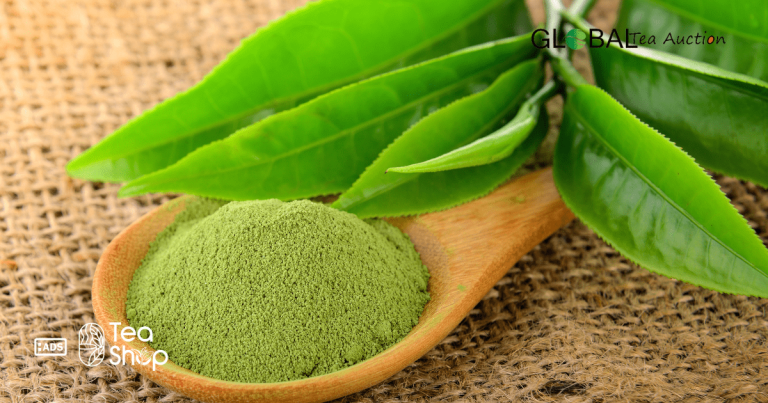
- Matcha: Matcha is a finely ground powder made from specially grown green tea leaves. Instead of steeping the leaves, you consume them entirely, resulting in a much higher concentration of caffeine and antioxidants. Its vibrant color and rich, umami flavor have made it a star ingredient in lattes, smoothies, and even desserts across Australian cafes.
- Jasmine Green Tea: This is a scented tea, where green tea leaves are infused with the fragrance of jasmine blossoms. It has a delicate, sweet, and highly aromatic profile that is both calming and refreshing.
Herbal Teas: The Caffeine-Free Comfort
Herbal teas, or “tisanes,” are not technically teas at all, as they are not derived from the Camellia sinensis plant. Instead, they are infusions made from fruits, flowers, herbs, and spices. Their caffeine-free nature and targeted wellness benefits have made them immensely popular.
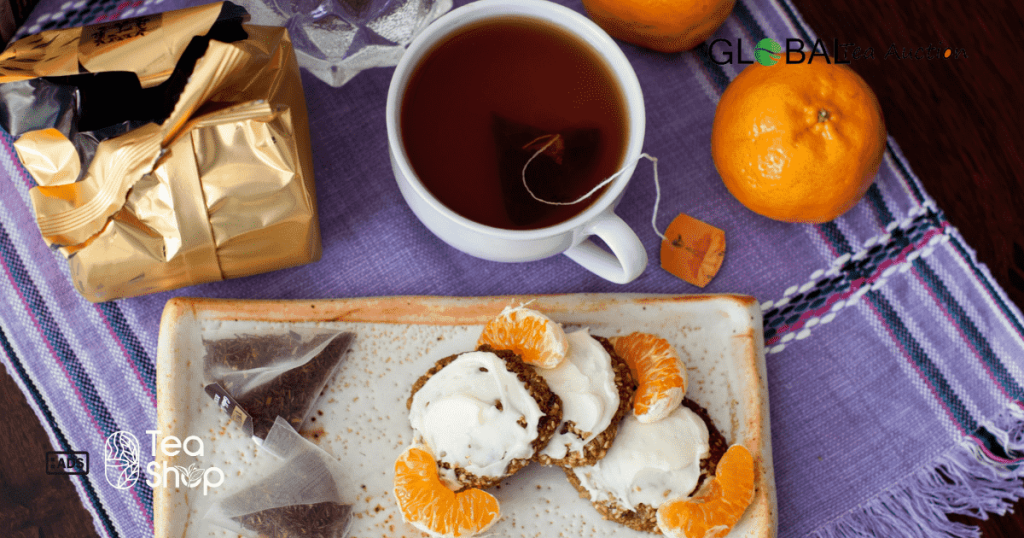
Herbal infusions are the go-to beverage for relaxation, digestion, and sleep support. They offer a gentle, natural way to address everyday wellness needs.
Common Herbal Teas in Australia
- Chamomile: Famous for its calming properties, chamomile tea is a popular choice before bedtime. It has a mild, apple-like flavor and is praised for its ability to promote relaxation and improve sleep quality.
- Peppermint: With its invigorating minty aroma and flavor, peppermint tea is often used to aid digestion and soothe an upset stomach. It’s refreshing both hot and iced, making it a versatile option year-round.
- Ginger and Lemon: This zesty and warming blend is a favorite remedy for colds and sore throats. Ginger provides a spicy kick and anti-inflammatory benefits, while lemon adds a dose of Vitamin C and a bright, citrusy flavor.
Specialty Teas: Exploring New Horizons
Beyond the big three, a growing number of Australians are exploring the nuanced world of specialty teas. These teas offer unique flavor profiles and require more specific brewing methods, appealing to a more discerning palate.
- Oolong Tea: Sitting between green and black tea, oolong is partially oxidized. Its flavor can range from light and floral to dark and roasted, depending on the level of oxidation. It’s known for its complex, layered taste.
- White Tea: The least processed of all teas, white tea is made from young leaves and buds. It has a very delicate, subtle, and slightly sweet flavor. It also has a lower caffeine content and is prized for its high antioxidant levels.
- Chai: While its base is often black tea, chai is a category of its own. It’s a blend of tea, aromatic spices like cinnamon, cardamom, and cloves, and milk. The spicy-sweet, creamy brew has become a café staple in Australia, enjoyed as a “chai latte.”
Tea Trends to Watch in 2025
The Australian tea market is dynamic, with new trends constantly emerging. Here’s what to look out for in 2025 and beyond.
Flavored and Functional Blends
Consumers are looking for more than just a simple cup of tea. They want exciting flavors and added functional benefits. This has led to a rise in creative blends, such as:
- Fruit-Infused Teas: Blends featuring tropical fruits, berries, and citrus are popular, especially in iced tea form.
- Dessert Teas: Teas that mimic the flavors of desserts like sticky date pudding or chocolate cake offer a guilt-free indulgence.
- Functional Botanicals: Ingredients like turmeric, ashwagandha, and ginseng are being added to teas for their specific health benefits, from reducing inflammation to boosting energy.
The Rise of Cold Brew and Iced Tea
Australia’s warm climate makes it a perfect market for cold tea beverages. Ready-to-drink (RTD) iced teas are a huge market, but there’s also a growing interest in making high-quality iced tea at home. Cold brewing, where tea leaves are steeped in cold water for several hours, is gaining popularity as it produces a smoother, less astringent flavor.
Sustainability and Ethical Sourcing
Today’s consumers want to know where their tea comes from. There is a strong demand for ethically sourced tea that supports fair wages and good working conditions for tea farmers. Brands that prioritize sustainable farming practices, use biodegradable packaging, and are transparent about their supply chain are winning the trust of Australian drinkers. Certifications like Fair Trade and Rainforest Alliance are becoming increasingly important purchasing factors.
Brewing and Serving the Perfect Cup
To get the most out of your tea, proper brewing is essential. Different teas require different water temperatures and steeping times.
| Tea Type | Water Temperature | Steeping Time | Serving Suggestion |
|---|---|---|---|
| Black Tea | 95-100°C (boiling) | 3-5 minutes | With milk and sugar, or a slice of lemon. |
| Green Tea | 75-85°C (not boiling) | 1-3 minutes | Best enjoyed plain. |
| Oolong Tea | 85-95°C | 2-5 minutes | Plain, to appreciate its complex flavor. |
| White Tea | 70-80°C | 1-4 minutes | Plain, as its flavor is very delicate. |
| Herbal Tea | 100°C (boiling) | 5-10 minutes | Plain, or with a little honey. |
Pro Tip: Using filtered water can significantly improve the taste of your tea, as the minerals in tap water can interfere with the flavor.
Delicious Tea and Food Pairings
Pairing tea with food can elevate your culinary experience. Here are a few classic combinations:
- English Breakfast: Pairs well with a hearty breakfast, scones with jam and cream, or rich chocolate cake.
- Earl Grey: Complements citrus-flavored desserts like lemon tarts and orange-almond biscuits.
- Green Tea: Its fresh flavor goes well with seafood, salads, and light rice dishes.
- Chamomile: The perfect partner for simple shortbread or a light, honey-drizzled pastry.
- Peppermint Tea: Excellent with dark chocolate, as the mint cuts through the richness.
The Enduring Appeal of Tea
Tea in Australia is much more than just a beverage; it’s a source of comfort, a moment of calm, and a way to connect with others. From the classic cup of English Breakfast that starts the day to a soothing chamomile before bed, tea punctuates the lives of Australians in countless ways.
As we look toward 2025, the Australian tea scene is more vibrant than ever. While black tea remains the comforting constant, the growing interest in green, herbal, and specialty teas showcases a collective desire for health, variety, and quality. Consumers are becoming more adventurous, educated, and ethically-minded in their choices.
The future of tea in Australia lies in this beautiful balance of respecting tradition while embracing innovation. If you’re looking to expand your tea horizons, start by exploring a new variety or visiting a local tea shop. There’s a whole world of flavor waiting in your cup.
Frequently Asked Questions (FAQs)
1. What is the most consumed type of tea in Australia?
Black tea, particularly the English Breakfast blend, remains the most consumed tea in Australia. It is a household staple, enjoyed by millions of Australians every day, typically with a splash of milk.
2. Is Australian-grown tea popular?
Yes, Australian-grown tea is gaining significant popularity. Consumers are increasingly interested in supporting local producers and reducing food miles. Teas grown in regions like Queensland have a unique, brisk flavor that is highly regarded.
3. Are herbal teas considered “real” tea?
Technically, herbal infusions (or tisanes) are not “real” tea because they do not come from the Camellia sinensis plant. However, in common language, they are referred to as herbal teas and are a major segment of the tea market.
4. Why is green tea becoming more popular in Australia?
Green tea’s popularity is largely driven by its well-documented health benefits, including being rich in antioxidants. A growing wellness culture in Australia has made consumers more interested in beverages that support a healthy lifestyle.
5. How important is sustainability in the Australian tea market?
Sustainability is extremely important. Australian consumers are increasingly demanding transparency about where their tea comes from. Brands that demonstrate ethical sourcing, use eco-friendly packaging, and support fair labor practices are more likely to attract and retain customers.
6. What is the difference between loose-leaf tea and teabags?
Loose-leaf tea generally consists of whole or broken tea leaves, which allows for a fuller flavor extraction during brewing. Teabags often contain smaller tea particles called “fannings” or “dust,” which can result in a quicker but sometimes more astringent brew. Many tea enthusiasts prefer loose-leaf for its superior quality and flavor.
7. Where can I buy high-quality specialty teas in Australia?
High-quality specialty teas can be found at dedicated tea shops, both online and physical, as well as at farmers’ markets and premium grocery stores. Brands that focus on single-origin and artisanal blends are excellent places to start.