Unlocking the Hidden Benefits of Oolong Tea
When it comes to tea, oolong stands out as a distinctive and intriguing choice. Originating from China, this semi-oxidized tea is known for bridging the gap between green and black tea, offering a wide spectrum of flavors and aromas. Each variety of oolong tea can vary significantly depending on the method of processing, which gives it a unique place in the world of teas.
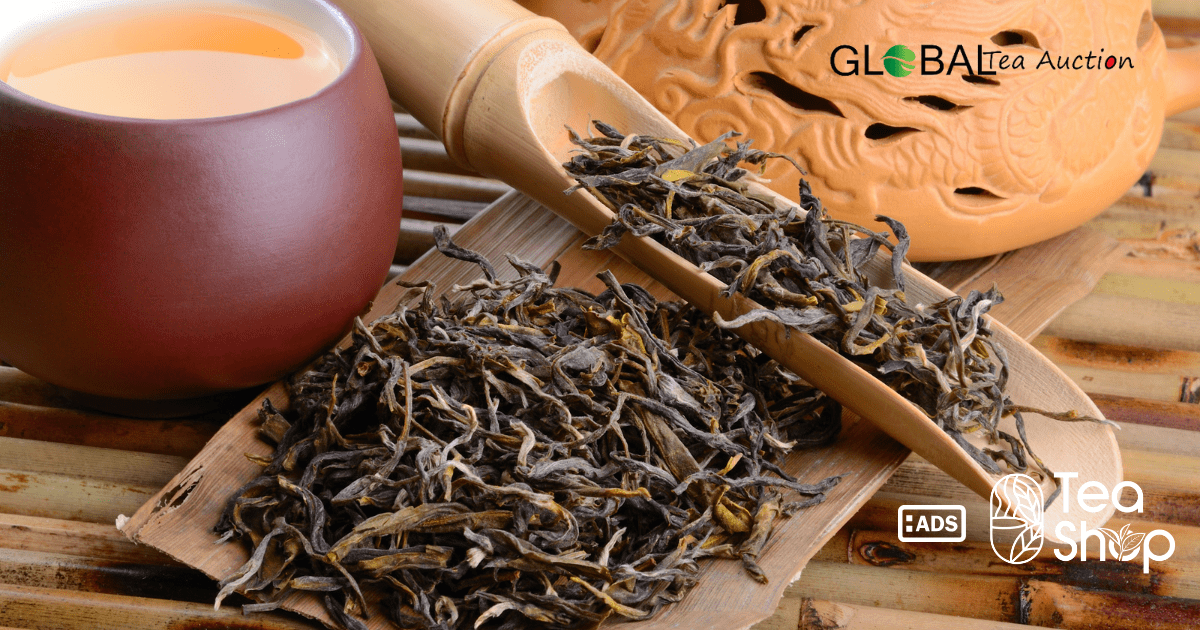
Oolong tea combines the best elements of both green and black teas due to its partial oxidation process. This process not only affects the flavor but also the health benefits associated with oolong tea. Its leaves are traditionally rolled, twisted, or curled into tight balls or thin strands, which can unfurl during brewing to release a complex bouquet of flavors.
For tea enthusiasts and novices alike, understanding oolong tea’s unique characteristics can enhance your appreciation for this versatile beverage. From its health benefits to its unique taste profile, oolong tea offers something for everyone.
Oolong Tea Benefits: An Overview
One of the primary reasons people are drawn to oolong tea is its array of health benefits. Rich in antioxidants, oolong tea can help combat free radicals, which are known to cause cellular damage and contribute to aging and various diseases. Regular consumption of oolong tea may promote heart health and reduce the risk of chronic conditions.
Additionally, oolong tea has been associated with boosting metabolism and aiding weight loss. The caffeine and catechins in oolong tea can enhance fat oxidation and energy expenditure, making it a popular choice for those looking to maintain a healthy weight. Furthermore, oolong tea can improve mental alertness and cognitive function, providing a gentle and sustained energy boost without the jitters often associated with coffee.
Another notable benefit of oolong tea is its potential to improve skin health. The antioxidants in oolong tea can help reduce inflammation and combat the effects of aging, leading to healthier, more radiant skin. Incorporating oolong tea into your daily routine can contribute to overall well-being and vitality.
Understanding Oolong Tea Caffeine Content
Oolong tea occupies a unique position in the tea world when it comes to caffeine content. Its caffeine levels can vary significantly depending on the specific type of oolong and the brewing method used. This variability makes it an adaptable choice for those who are mindful of their caffeine intake.
On average, oolong tea contains about 30-50 mg of caffeine per 8 oz cup, which is typically more than green tea but less than black tea. This moderate caffeine content makes it an excellent choice for those who want a gentle energy boost without the intense stimulation that coffee provides. It can be an ideal afternoon pick-me-up or a soothing evening beverage for those who are less sensitive to caffeine.
To manage caffeine levels in oolong tea, you can experiment with different brewing techniques. Steeping the leaves for a shorter time or using cooler water can help reduce caffeine extraction, allowing you to tailor your tea to your personal preferences and tolerance.
Does Oolong Tea Have Caffeine?
Yes, oolong tea does contain caffeine, but the amount can vary. As mentioned earlier, the caffeine content of oolong tea typically falls between that of green and black teas. This makes it a versatile option for those looking to adjust their caffeine consumption throughout the day.
For individuals who are sensitive to caffeine, oolong tea can be a more manageable option compared to coffee or black tea. It provides a more gradual release of energy, helping to avoid the spikes and crashes associated with higher caffeine beverages. This makes oolong tea a popular choice for those seeking a balanced and sustained energy boost.
If you’re concerned about caffeine intake but still want to enjoy the benefits of oolong tea, consider trying a decaffeinated version. These teas undergo a process to remove most of the caffeine while retaining the flavor and aroma that oolong tea is known for.
Oolong vs Green Tea: Key Differences
While both oolong and green tea are derived from the same plant, Camellia sinensis, their processing methods set them apart, leading to distinct differences in flavor, aroma, and health benefits. Understanding these differences can help you choose the right tea for your taste and health needs.
- Oxidation Level: The primary difference between oolong and green tea is the level of oxidation. Green tea is minimally oxidized, preserving its fresh, grassy flavor and vibrant green color. In contrast, oolong tea undergoes partial oxidation, resulting in a more complex flavor profile that can range from floral to toasty.
- Flavor Profile: Green tea is known for its light, fresh taste, often with grassy or vegetal notes. Oolong tea, on the other hand, offers a diverse range of flavors depending on the specific variety and processing method. It can have floral, fruity, or even creamy notes, making it a more versatile option for those who enjoy experimenting with different flavors.
- Health Benefits: Both oolong and green tea are rich in antioxidants and offer health benefits such as improved metabolism and heart health. However, the specific benefits can vary due to their differing levels of catechins and other compounds. Oolong tea, for example, is often praised for its potential to aid weight loss and improve skin health.
The Unique Flavor Profile of Oolong Milk Tea
Oolong milk tea is a delightful variation that combines the rich, complex flavors of oolong tea with the creamy, smooth texture of milk. This combination creates a unique and indulgent beverage that appeals to both tea purists and those who enjoy more decadent drinks.
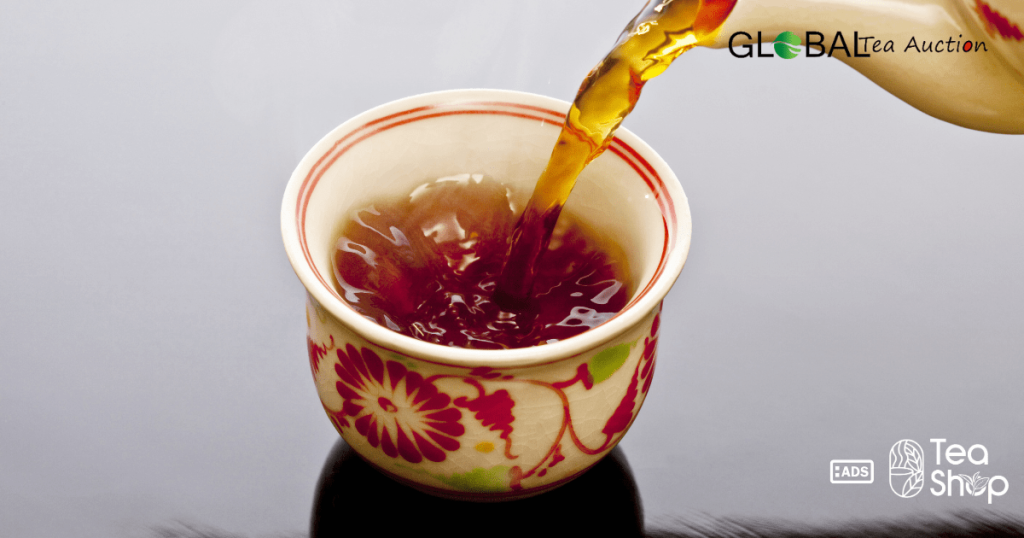
The addition of milk to oolong tea can enhance its natural sweetness and bring out subtle flavor notes that might otherwise be overlooked. Whether you prefer your milk tea hot or iced, oolong milk tea offers a comforting and satisfying experience that can be enjoyed at any time of day.
To prepare the perfect cup of oolong milk tea, start with high-quality oolong tea leaves and brew them according to your preference. Once brewed, add your choice of milk—dairy or plant-based—and sweetener if desired. Experiment with different milk types and sweeteners to find the combination that suits your taste.
Potential Side Effects of Oolong Tea
While oolong tea offers numerous health benefits, it’s important to be aware of potential side effects and consume it in moderation. Like any caffeinated beverage, excessive consumption of oolong tea can lead to undesirable effects such as insomnia, restlessness, and jitteriness.
Some individuals may experience digestive issues or stomach upset when consuming large quantities of oolong tea, particularly on an empty stomach. To minimize these effects, consider drinking oolong tea with meals or snacks and gradually increasing your intake to allow your body to adjust.
Additionally, oolong tea contains tannins, which can interfere with iron absorption. If you are concerned about iron levels, consider consuming oolong tea between meals and balancing your diet with iron-rich foods. As with any dietary change, it’s wise to consult with a healthcare professional if you have specific health concerns or conditions.
How to Brew the Perfect Cup of Oolong Tea
Brewing oolong tea can be an art form, with various methods to suit personal preferences and bring out the best in each variety. Whether you prefer a quick infusion or a more traditional approach, following these steps can help you achieve a delightful cup of oolong tea.
- Choose Quality Leaves: Start with high-quality oolong tea leaves from a reputable source. The quality of the leaves greatly impacts the flavor and aroma of the final brew.
- Measure the Right Amount: Use about one teaspoon of oolong tea leaves per cup of water. Adjust the amount based on your taste preference and the specific variety of oolong tea.
- Water Temperature and Steeping Time: Heat water to around 185°F (85°C). Pour the water over the leaves and let them steep for 3-5 minutes. Experiment with steeping times to find the balance that suits your taste.
- Enjoy Multiple Infusions: Oolong tea leaves can be steeped multiple times, with each infusion bringing out different flavor notes. Increase the steeping time slightly with each subsequent infusion.
By following these steps, you can enjoy a perfect cup of oolong tea that highlights its unique flavors and aromas.
Incorporating Oolong Tea into Your Daily Routine
Incorporating oolong tea into your daily routine can be a delightful way to enjoy its health benefits and unique flavors. Whether you prefer it as a morning energizer or an afternoon relaxation ritual, oolong tea can easily become a cherished part of your day.
Consider starting your day with a cup of oolong tea to kickstart your metabolism and boost your energy levels. Its moderate caffeine content provides a gentle lift without the crash associated with coffee. As a mid-afternoon pick-me-up, oolong tea can help maintain focus and productivity during long workdays.

For those looking to unwind in the evening, a cup of lightly brewed oolong tea can offer a soothing and calming experience. Pair it with a good book or a moment of meditation to create a peaceful bedtime routine. With its versatility and adaptability, oolong tea can enhance your daily rituals and promote overall well-being.
Conclusion: Embracing the Benefits of Oolong Tea
As we’ve explored, oolong tea offers a wealth of benefits and unique qualities that make it a standout choice among teas. From its rich flavor profile to its numerous health advantages, oolong tea has something to offer every tea lover. By understanding how to brew and enjoy this remarkable tea, you can unlock its full potential and incorporate it into your lifestyle.
Whether you’re a seasoned tea enthusiast or a newcomer, I encourage you to explore the world of oolong tea. Experiment with different varieties, brewing methods, and accompaniments to discover what resonates with you. As you embrace the benefits of oolong tea, you’ll find that it provides not only a delicious beverage but also a pathway to enhanced wellness.
If you’re ready to experience the wonders of oolong tea for yourself, why not start today? Brew a cup, savor the flavors, and let the journey of oolong tea enrich your life. Join our community of tea lovers and share your experiences—we’d love to hear how oolong tea has become a part of your daily routine!