Can Tea Grow in Canada? Climate, Challenges & Regions
When you picture a tea plantation, you likely imagine rolling hills in Sri Lanka, vast estates in India, or terraced farms in China. Canada, with its reputation for cold winters and snowy landscapes, is probably the last place that comes to mind. Yet, the question persists: can tea actually grow in Canada?
This idea is not as far-fetched as it might seem. A dedicated community of growers and researchers across the country is exploring this very possibility. They are pushing the boundaries of traditional agriculture by experimenting with cold-hardy tea varieties and innovative farming techniques. This article explores the world of Canadian tea cultivation, from the specific needs of the tea plant to the unique challenges and opportunities presented by Canada’s diverse climate.
We will examine the science behind tea farming in colder regions, drawing on data from agricultural studies and the real-world experiences of Canadian tea pioneers. By the end, you’ll have a comprehensive understanding of where tea can grow in Canada, the obstacles growers face, and the exciting future that lies ahead for the domestic tea industry. This is the story of how a beloved warm-climate crop is finding a new home in the Great White North.
The Tea Plant and Its Ideal Growing Conditions
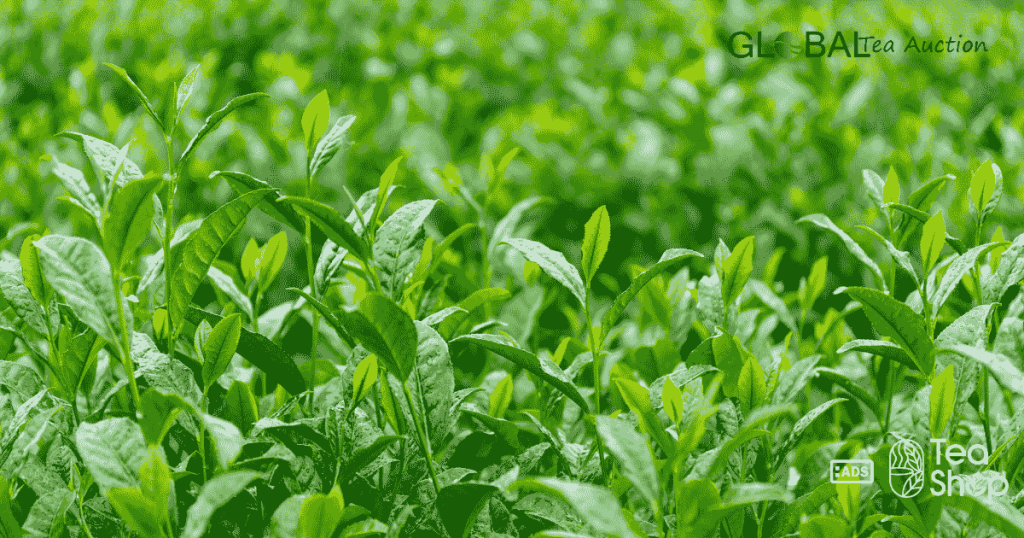
To understand the challenge of tea growing in Canada, we first need to understand the plant itself. All true teas—black, green, oolong, white, and pu-erh—come from a single species: Camellia sinensis. This evergreen shrub has two main varieties used for commercial production: Camellia sinensis var. sinensis, a smaller-leafed variety from China that is more tolerant of cold, and Camellia sinensis var. assamica, a larger-leafed variety from India that thrives in hotter, wetter conditions.
For Canadian tea cultivation, the focus is almost exclusively on Camellia sinensis var. sinensis and its related cold-hardy cultivars due to their resilience.
Essential Environmental Needs
The success of any tea plantation depends on a delicate balance of climate, soil, and topography.
- Climate: Tea plants flourish in regions with at least 1,270 mm of annual rainfall, well-distributed throughout the year. They require warm, humid conditions during the growing season, with temperatures ideally ranging from 18°C to 30°C. While they can tolerate brief periods of cold, prolonged exposure to freezing temperatures can be fatal.
- Soil: Tea requires deep, well-drained, acidic soil with a pH between 4.5 and 5.5. The soil should be rich in organic matter to retain moisture but porous enough to prevent waterlogging, which can lead to root rot. Soils with high levels of iron and aluminum are often ideal.
- Sunlight: The plants need ample sunlight, typically around five hours of direct sun per day. However, in very hot climates, partial shade can protect the leaves from scorching and help develop more complex flavours.
- Altitude: Altitude plays a significant role in tea quality. High-altitude teas (grown above 1,200 meters) grow more slowly, which allows the leaves to develop a greater concentration of aromatic compounds. This results in more nuanced and desirable flavours.
Meeting these specific requirements is the central challenge for anyone attempting tea farming in Canada’s climate.
Canadian Climate Zones and Tea Cultivation Suitability
Canada is the second-largest country in the world, with a vast range of climate zones. According to the Plant Hardiness Zones system map developed by Natural Resources Canada, these zones range from the extreme cold of 0a in the Arctic to the temperate 9a zones on the coast of British Columbia.
Most of the country is unsuitable for growing tea due to long, harsh winters and short growing seasons. Tea plants generally cannot survive sustained temperatures below -10°C, and even frost-resistant tea varieties have their limits. However, a few specific regions offer a glimmer of hope.
| Region | Hardiness Zone | Growing Season | Primary Challenges | Suitability |
|---|---|---|---|---|
| Vancouver Island, BC | 8a – 9a | Long (April-October) | High rainfall, acidic soil management | High |
| Fraser Valley, BC | 7b – 8b | Moderate (May-September) | Winter freezes, soil drainage | Moderate to High |
| Okanagan Valley, BC | 5a – 7a | Warm, dry summers | Low rainfall (irrigation needed), winter cold | Low to Moderate |
| Niagara Region, ON | 6b – 7a | Moderate (May-September) | Late spring frosts, humid summers (pests) | Moderate |
| Nova Scotia (Annapolis Valley) | 5b – 6b | Short (June-September) | Short season, winter protection needed | Low |
| Quebec (Southern regions) | 4a – 5b | Very Short (June-August) | Severe winter cold, very short season | Very Low |
The most promising areas for Canada tea cultivation are the mild coastal regions of British Columbia and the microclimates of Southern Ontario. These zones offer a combination of moderate winters and sufficiently long growing seasons that can, with significant effort, support tea plants.
Best Tea Growing Regions in Canada
While still a niche industry, commercial and hobbyist tea farming is taking root in a few key areas. British Columbia and Ontario are leading the charge, demonstrating that with the right approach, growing tea in Canada is not just a dream.
British Columbia: The Pioneer Province
The Pacific maritime climate of British Columbia, particularly on Vancouver Island and in the Fraser Valley, makes it the epicentre of Canadian tea.
- Vancouver Island: With its mild, wet winters and warm summers, Vancouver Island boasts some of Canada’s highest hardiness zones (8a-9a). The island’s acidic soil is naturally suited for Camellia sinensis. In 2010, Westholme Tea Company near Duncan became the first commercial tea farm in Canada, proving that high-quality tea could be grown and processed domestically. Their success has inspired a new generation of growers.
- Fraser Valley: This region also has a suitable climate, though it experiences slightly colder winters than the island. Farms here have successfully cultivated tea by selecting cold-hardy plant varieties and using protective measures like mulching and hoop houses during the winter.
The success in B.C. is largely due to the region’s ability to mimic the environmental conditions of traditional tea-growing areas, albeit with a shorter season.
Ontario: Innovating in a Colder Climate
Southern Ontario, especially the Niagara Region, presents more challenges but also unique opportunities. The area benefits from the moderating effect of the Great Lakes, which creates a microclimate suitable for tender fruit crops like grapes and peaches—and potentially tea.
Growers in Ontario must contend with colder winters and a greater risk of late spring frosts. Success often depends on:
- Site Selection: Choosing locations with good air drainage, such as gentle slopes, to prevent frost from settling on the plants.
- Winter Protection: Using heavy mulch, row covers, or even snow cover (which acts as an insulator) to protect the plants’ roots and base from deep freezes.
- Cultivar Choice: Experimenting with hardy hybrid teas specifically bred for colder climates is crucial for survival and yield.
Though the scale of tea farming in Ontario is smaller than in B.C., it represents a significant frontier in cold climate tea cultivation.
Challenges and Solutions for Canadian Tea Growers
Growing tea in Canada is a constant battle against the elements. Growers must be innovative and resilient to overcome the numerous hurdles.
Key Challenges
- Frost and Winter Kill: This is the single greatest threat. A sudden late spring frost can kill the delicate new shoots (“flush”) that are harvested for tea, wiping out an entire season’s crop. Extreme winter cold can kill the plants outright.
- Short Growing Season: Canada’s shorter season limits the number of harvests. While plantations in places like Kenya can harvest year-round, Canadian growers might only get two or three flushes between May and September.
- Pest and Disease Management: While Canada’s cold winters help reduce some pests, new challenges can emerge. For example, the humid summers in Ontario can create conditions ripe for fungal diseases. Growers must find effective, often organic, control methods.
- Soil Management: While some regions have naturally acidic soil, many growers need to amend their soil to lower the pH and ensure it has the right balance of nutrients. Agriculture and Agri-Food Canada has conducted studies on soil composition to help guide farmers on these amendments.
- Economic Viability: The high cost of labour, the small scale of production, and the significant risk involved make it difficult to compete with large international producers on price. Canadian tea is a premium, artisanal product, and its success depends on marketing it as such.
Innovative Solutions
Canadian tea farmers are pioneering new techniques to adapt tea to a northern climate.
- Frost Protection: Some farms use sprinkler systems that spray water on the plants when a frost is predicted. As the water freezes, it releases latent heat, keeping the leaf temperature at or just above 0°C and protecting the delicate buds.
- Hoop Houses and Greenhouses: Using unheated hoop houses or greenhouses can extend the growing season and provide critical protection from winter winds and deep freezes. This method is being explored for its potential to increase yields and plant survival rates.
- Selective Breeding: Researchers and growers are working to identify and propagate frost-resistant cultivars. By selecting plants that have survived particularly harsh winters, they are slowly developing a genetic stock that is uniquely adapted to Canada.
- Mulching: Applying a thick layer of organic mulch (like wood chips or straw) around the base of the tea plants insulates the root system from extreme cold, which is often the key to winter survival.
Case Studies: Pioneers of Canadian Tea
The story of tea in Canada is best told through the experiences of the farmers who are making it happen.
Westholme Tea Company (British Columbia)
Founded by Victor Vesely and Margit Nellemann, Westholme Tea Company is the trailblazer of the Canadian tea industry. Located in the Cowichan Valley on Vancouver Island, they planted their first Camellia sinensis bushes in 2010.
- Successes: Westholme has not only managed to grow tea but also to process it into a wide range of artisanal black, green, and oolong teas. Their products are highly sought after and command premium prices, proving the economic viability of Canadian tea. They have demonstrated that with meticulous care and attention to detail, tea grown in Canada can rival specialty teas from around the world.
- Lessons Learned: Their journey has underscored the importance of hands-on processing. Since each harvest is small and precious, every step—from plucking to rolling and oxidizing—is done by hand to maximize quality. They’ve also learned to work with their unique terroir, creating teas with a flavour profile that is distinctly “Canadian.”
Tea Horse (Manitoba)
While not a tea farm, Tea Horse is a compelling case study in Canadian-sourced botanicals. This Indigenous-owned company, founded by Denise and Marc Bohémier, creates tisanes (herbal teas) using wild-harvested Labrador tea (Rhododendron groenlandicum) and other native plants. Their work highlights a broader trend towards embracing local flora and creating uniquely Canadian beverages, which complements the efforts of Camellia sinensis growers.
The Future of Tea Growing in Canada
The future of the Canadian tea industry is both uncertain and full of potential. Climate change, while a global threat, may paradoxically create new opportunities for northern agriculture.
- Climate Change Impact: As temperatures rise, the boundaries of viable agricultural zones are shifting north. Regions previously considered too cold for tea may become suitable in the coming decades. However, climate change also brings increased volatility, including more frequent extreme weather events like late frosts, droughts, and intense rainfall, which will continue to pose risks.
- Innovation and Research: Ongoing research into cold-hardy cultivars is critical. Academic institutions and government bodies like Agriculture and Agri-Food Canada are studying which varieties perform best in Canadian conditions. This scientific backing is essential for de-risking the venture for new farmers.
- Market Demand: There is a growing consumer trend towards local, artisanal, and transparently sourced products. Canadian tea fits perfectly into this niche. As more Canadians learn that tea is being grown in their own backyard, demand for this unique product is likely to increase. Reports on the economic viability of tea farming in Canada suggest that while it may never be a large-scale commodity, it can be a profitable niche for small-scale, quality-focused producers.
Your Invitation to the Canadian Tea Scene
So, can tea grow in Canada? The answer is a resounding, yet conditional, yes. It is not easy, and it is not possible everywhere. But in the fertile valleys of British Columbia and the protected microclimates of Ontario, a small but determined group of farmers is proving it can be done. They are overcoming challenges with ingenuity and passion, crafting a new chapter in the long history of tea.

The journey of tea growing in Canada is a testament to agricultural innovation and the human desire to cultivate beauty and flavour in even the most unlikely of places. It is a niche industry with significant hurdles, but its potential to produce a truly unique, high-quality Canadian product is undeniable.
We encourage you to support these local pioneers. Seek out Canadian-grown teas, visit a local tea farm if you can, and share the story of this emerging industry.
Frequently Asked Questions (FAQs)
1. What does Canadian-grown tea taste like?
Canadian teas often have a unique flavour profile influenced by their specific terroir. Many describe them as being very fresh, clean, and sweet, with less astringency than some teas from traditional regions. The slow growth in a cooler climate can lead to a higher concentration of L-theanine, which contributes to a smoother, more umami flavour.
2. Can I grow my own tea plant in Canada?
Yes, you can! Many Canadians in zones 6 and higher can grow Camellia sinensis Canada in their gardens with proper winter protection. In colder zones, it can be grown in a pot and brought indoors for the winter. It’s a beautiful evergreen shrub with lovely white blossoms in the fall.
3. Is Canadian tea organic?
Many Canadian tea growers follow organic or near-organic practices, as the smaller scale allows for more hands-on management without synthetic pesticides or herbicides. However, always check with the individual farm for their specific cultivation methods and certifications.
4. How expensive is Canadian tea?
Due to the high labour costs, small yields, and artisanal nature of the product, Canadian-grown tea is a premium item. Prices are significantly higher than for mass-market teas but are often comparable to other high-end specialty teas from famous estates around the world.
5. Where are the best tea growing regions in Canada?
Currently, the most successful regions are Vancouver Island and the Fraser Valley in British Columbia. These areas have the mildest winters and most suitable soil conditions. The Niagara region in Ontario also shows promise, though it requires more intensive management to protect plants from the cold.
6. What are cold-hardy tea varieties?
These are specific cultivars of Camellia sinensis var. sinensis that have been selected or bred for their ability to withstand colder temperatures. They are crucial for the success of tea farming in non-traditional climates like Canada’s. Research is ongoing to identify and develop even more resilient varieties.
7. How does the short growing season affect the tea?
The short season limits the number of harvests, making the tea rarer. It can also concentrate the flavours in the leaves, as the plant directs all its energy into just a few flushes. The first flush in spring, after the plant’s winter dormancy, is often considered the most flavourful and is highly prized.
External References:
- Agriculture and Agri-Food Canada – For research on Canadian agriculture and climate.
- Tea and Herbal Association of Canada – The leading industry body for tea in Canada.
- Plant Hardiness Zones of Canada – An interactive map from Natural Resources Canada.