Tea Cultivation

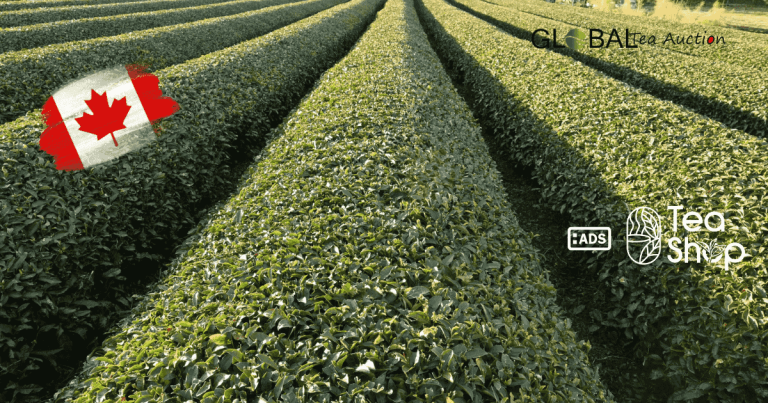
Tea cultivation is an age-old agricultural art that has evolved into a modern science of sustainable farming. From the misty hills of Assam and Darjeeling to the lush valleys of Ceylon, tea cultivation techniques differ by region, soil type, and climate conditions. Successful tea farming begins with selecting fertile, well-drained soil rich in organic matter, followed by choosing high-quality tea cultivars suited to local weather. Farmers today rely on integrated pest management, organic fertilizers, and shade-grown methods to maintain soil health and enhance leaf quality.
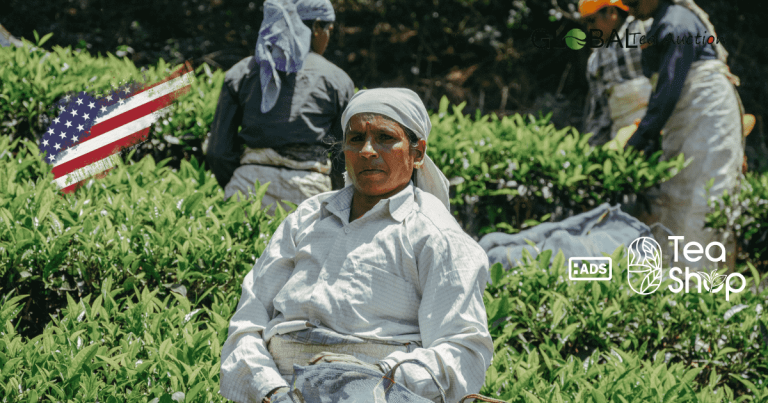
Modern tea estates use mechanized pruning and plucking machines to increase efficiency without compromising leaf freshness. Climate change awareness has also led to the rise of eco-friendly and rain-fed tea gardens. Tea cultivation involves several crucial stages: planting, maintenance, pruning, harvesting, and processing. Each step directly affects the flavor, aroma, and overall quality of the tea. Sustainable tea farming is not just about productivity but also about preserving biodiversity, empowering small growers, and ensuring fair trade. Whether you are a tea grower, researcher, or enthusiast, understanding tea cultivation techniques helps appreciate the journey of tea leaves from plantation to your cup — a perfect blend of tradition, technology, and taste.