Swiss Demand for Specialty Tea: Matcha, Oolong, Herbal & Organic Trends
Switzerland a nation globally recognized for its chocolate and coffee culture, is quietly cultivating a deep appreciation for another beverage: specialty tea. While the aroma of coffee often defines Swiss mornings, a significant shift is underway. Consumers are increasingly turning to the nuanced, complex world of premium teas, exploring varieties that offer not just refreshment, but a story, a wellness benefit, and a moment of sophisticated calm.
This burgeoning interest is transforming the Swiss beverage landscape. It’s moving beyond standard black tea bags to embrace a diverse spectrum of high-quality leaves from around the globe. From the vibrant, energizing kick of Japanese matcha to the intricate, layered notes of oolong and the soothing, natural benefits of Alpine herbal infusions, the premium tea demand CH is reshaping consumer habits and creating exciting opportunities for producers and retailers.
This growing fascination isn’t just about taste. It reflects a broader Swiss consciousness geared towards health, wellness, sustainability, and authentic experiences. As consumers become more discerning, they seek out products with traceable origins, organic certifications, and unique characteristics. The average Swiss consumer already drinks about 2.5 cups of tea per day, and this figure is increasingly composed of specialty options that align with these values.
In this comprehensive guide, we’ll explore the key trends driving the Swiss specialty tea market. We will examine the rising popularity of Matcha, Oolong, herbal, and organic teas, analyze the consumer preferences shaping the industry, and discuss the marketing strategies, challenges, and immense opportunities that lie ahead for this dynamic market.
Swiss Tea Market Overview: A Growing Appetite for Quality
The Swiss tea market is a robust and growing sector, currently valued at approximately CHF 150 million annually. While traditional teas still hold a significant share, the most dynamic growth is happening within the specialty tea segment. This premium category now accounts for about 30% of the total market, a testament to a collective shift in consumer priorities.
This evolution is driven by a population that values quality, health, and sustainability. Swiss consumers are increasingly willing to pay a premium for products that offer a superior experience and align with their lifestyle choices. This trend is visible across the food and beverage industry, from artisan cheeses to craft beers, and tea is no exception. The demand is not just for a hot beverage but for a narrative—the story behind the tea, its origin, its processing, and its health benefits.
Major retailers like Coop and Migros have responded by expanding their premium tea selections, featuring single-origin teas, organic blends, and innovative infusions. Simultaneously, a vibrant ecosystem of specialized tea shops and online stores has emerged, catering to connoisseurs and curious newcomers alike. These smaller players are instrumental in educating consumers and fostering a deeper appreciation for the complexities of specialty tea.
Key Market Statistics
| Metric | Value/Trend |
|---|---|
| Total Annual Market Value | ~ CHF 150 million |
| Specialty Tea Market Share | ~ 30% |
| Matcha Tea Sales Growth (5-yr) | 20% annually |
| Organic Tea Sales Growth (YoY) | 15% annually |
| Average Daily Consumption | 2.5 cups per person |
These figures underscore a clear trend: specialty tea is no longer a niche interest but a significant and expanding part of the Swiss beverage culture. The growth in matcha and organic tea sales, in particular, highlights the powerful influence of health and wellness trends on consumer purchasing decisions.
The Green Wave: Why Matcha is Booming in Switzerland
Perhaps no other specialty tea has captured the Swiss imagination quite like matcha. This finely ground powder of specially grown and processed green tea leaves has seen its sales grow by an astonishing 20% annually over the past five years. The matcha trend Swiss consumers have embraced is multifaceted, rooted in health benefits, cultural curiosity, and sheer visual appeal.
Health and Wellness at the Forefront
Matcha’s popularity is intrinsically linked to the global wellness movement. Swiss consumers, known for their health-conscious lifestyles, are drawn to matcha’s impressive nutritional profile.
- Rich in Antioxidants: Matcha is packed with catechins, particularly EGCG (epigallocatechin gallate), which are known to combat free radicals and reduce oxidative stress.
- Natural Energy Boost: It contains a unique combination of caffeine and L-theanine, an amino acid that promotes a state of calm alertness without the jittery side effects often associated with coffee. This “calm energy” is highly appealing to professionals and students looking for sustained focus.
- Metabolism Support: Studies have suggested that matcha can help boost metabolism and aid in weight management, a benefit that resonates strongly with the health and fitness community.
Preparation as a Ritual
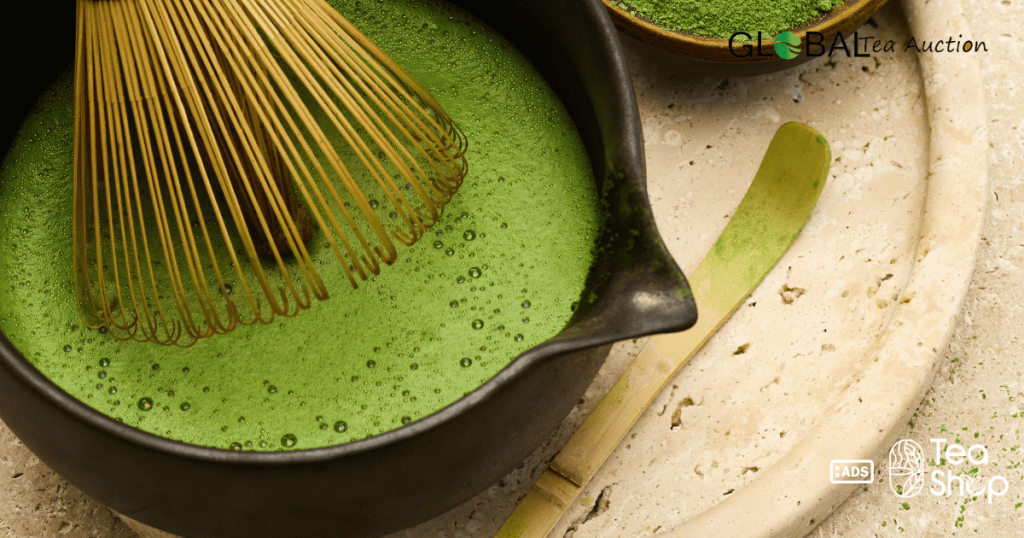
Beyond its health benefits, the preparation of matcha is a mindful ritual that offers a welcome pause in a busy day. The traditional Japanese tea ceremony, with its specialized tools—the chasen (bamboo whisk), chawan (tea bowl), and chashaku (bamboo scoop)—appeals to the Swiss appreciation for precision and quality craftsmanship.
Even for casual preparation at home, the act of whisking the vibrant green powder into a frothy beverage is an engaging, sensory experience. This ritualistic aspect transforms a simple cup of tea into a moment of personal indulgence and tranquility, a key driver for the Matcha Switzerland market. Cafes across Zurich, Geneva, and Bern now offer matcha lattes, which have become an Instagram-worthy staple for a younger, trend-conscious demographic.
Varieties and Quality Tiers
As the market matures, consumers are becoming more knowledgeable about the different grades of matcha.
- Ceremonial Grade: The highest quality, made from the youngest tea leaves, with a sweet, delicate flavor. This is the grade used in traditional tea ceremonies and preferred by connoisseurs for drinking on its own.
- Culinary Grade: A more robust, slightly more bitter flavor profile, designed for use in lattes, smoothies, baking, and other culinary applications. This grade has made matcha a versatile ingredient in the Swiss food scene.
This distinction allows for a wider range of price points and applications, making matcha accessible to both dedicated tea lovers and casual consumers looking to incorporate it into their diet.
The Complexity of Oolong: A Connoisseur’s Choice
While matcha’s rise has been explosive, Oolong tea has carved out a sophisticated niche among discerning oolong consumers Switzerland. This semi-oxidized tea, sitting between green and black tea, offers an incredible spectrum of flavors, aromas, and complexities that appeal to those with a developing palate for fine teas.
A World of Variety
Oolong is not a single type of tea but a vast category, with oxidation levels ranging from as little as 10% to as much as 85%. This diversity is its greatest strength.
- Lightly Oxidized Oolongs: These teas, such as Tie Guan Yin (Iron Goddess of Mercy), are closer to green tea. They are often floral, fragrant, and have a light, buttery mouthfeel. Their delicate and refreshing character makes them a popular choice for an afternoon pick-me-up.
- Heavily Oxidized Oolongs: Varieties like Da Hong Pao (Big Red Robe) are closer to black tea. They exhibit roasted, nutty, and fruity notes, often with a mineral finish. These complex, full-bodied teas appeal to former coffee drinkers and those who enjoy a more robust flavor.
This range allows tea shops and retailers to offer a journey of discovery. Consumers can start with a lighter oolong and gradually explore darker, more complex varieties, deepening their appreciation and knowledge.
The Appeal to Affluent Consumers
Oolong tea’s popularity is particularly pronounced among affluent Swiss consumers aged 35-55. This demographic, often with a higher disposable income and an interest in premium products, is drawn to oolong for several reasons:
- Complexity and Nuance: Oolong teas can be re-steeped multiple times, with each infusion revealing new layers of flavor. This evolving taste profile offers a sophisticated experience akin to tasting a fine wine or single-malt whisky.
- Craftsmanship and Story: Many high-quality oolongs come from specific terroirs in Taiwan and China’s Fujian province. They are often hand-processed by tea masters using traditional techniques passed down through generations. This story of origin and craft resonates with consumers who value authenticity and heritage.
- Perceived Health Benefits: Oolong is reputed to aid in digestion and metabolism, making it a popular choice after meals in many Swiss households.
The Comfort of Herbal Teas: Nature in a Cup
Herbal teas, or tisanes, have long been a staple in Swiss households, but the market is experiencing a renaissance. The modern demand for herbal tea Switzerland is driven by a desire for caffeine-free options, natural wellness remedies, and a connection to local ingredients.
Focus on Local and Alpine Ingredients
A significant trend is the growing popularity of herbal teas featuring Swiss Alpine herbs. Consumers are increasingly seeking products with a clear local identity.
- Popular Ingredients: Blends often include verbena, chamomile, peppermint, linden flowers, and melissa (lemon balm), all known for their calming and digestive properties.
- Regional Appeal: Brands that source their herbs from the Swiss Alps tap into a powerful sense of national pride and a trust in the purity of local nature. This trend is a perfect example of “glocalization”—global interest in wellness met with locally sourced solutions.
- Health Benefits: These teas are consumed not just for pleasure but as functional beverages. Chamomile for sleep, peppermint for digestion, and echinacea for immune support are common choices, aligning with the Swiss inclination towards natural remedies.
From Traditional Remedies to Modern Blends
While traditional single-herb infusions remain popular, there is growing innovation in the herbal tea space. Tea sommeliers and blenders are creating complex, flavorful combinations that appeal to a modern palate.
- Fruit and Spice Infusions: Blends incorporating dried fruits like apple and berries, along with spices like cinnamon and ginger, offer vibrant, caffeine-free alternatives to traditional teas.
- Wellness-focused Blends: Teas marketed with specific wellness goals—”Detox,” “Relax,” “Energy”—are performing exceptionally well. These products offer a clear value proposition to health-conscious consumers.
This category is particularly strong in organic food stores (Bio-Läden) and pharmacies, reinforcing its association with health and well-being.
The Rise of Organic Tea: A Commitment to Purity
The demand for organic products is a powerful force in Switzerland, and tea is no exception. Organic tea trends show a consistent 15% year-on-year sales increase, reflecting a deep-seated consumer commitment to health, environmental sustainability, and ethical production.
Why Swiss Consumers Choose Organic
The preference for organic tea is driven by several core values:
- Purity and Safety: Consumers are concerned about pesticides and chemical residues in their food and drink. The Bio Suisse certification, one of the most stringent organic standards in the world, provides a trusted guarantee of purity. Shoppers actively look for this label as a mark of quality and safety.
- Environmental Responsibility: Organic farming practices are perceived as being better for the environment. This includes promoting biodiversity, conserving water, and maintaining soil health. For the environmentally conscious Swiss consumer, choosing organic is an act of ecological stewardship.
- Ethical Sourcing: Organic certifications often go hand-in-hand with fair trade practices. Consumers are increasingly aware of the social conditions in tea-producing regions and are willing to pay more for products that ensure fair wages and safe working conditions for farmers.
Market Impact and Availability
The demand for organic has pushed retailers to expand their offerings.
- Mainstream Retailers: Supermarkets like Coop (with its Naturaplan line) and Migros (with its Migros Bio line) have made organic tea widely accessible and affordable.
- Specialty Stores: Specialized organic retailers and tea shops offer a broader range of premium organic teas, including single-estate and rare varieties.
- Product Range: The organic label is no longer limited to basic green or black teas. Consumers can now find organic versions of matcha, oolong, white tea, and a wide array of herbal infusions. This has made “organic” a standard expectation rather than a niche category.
What Drives the Swiss Tea Drinker?
Understanding the underlying drivers of consumer preference is crucial for any brand looking to succeed in the Swiss specialty tea market.
- Health and Wellness: This is arguably the most significant driver. Consumers are actively seeking beverages that offer functional benefits, from the antioxidants in matcha to the calming effects of herbal teas.
- Quality and Authenticity: The Swiss consumer is discerning. They value high-quality ingredients, traditional processing methods, and clear information about a tea’s origin. Premium tea demand CH is rooted in this appreciation for craftsmanship.
- Sustainability and Ethics: Environmental impact and fair labor practices are not just marketing buzzwords in Switzerland; they are genuine consumer concerns that influence purchasing decisions. Organic and fair-trade certifications are powerful selling points.
- Experience and Ritual: For many, tea is more than a drink; it’s an experience. The ritual of preparation, the complex flavors, and the story behind the tea all contribute to its appeal.
- Novelty and Discovery: While they value tradition, Swiss consumers are also curious. They are open to trying new flavors, unique blends, and teas from different cultures, which fuels the growth of categories like matcha and oolong.
Reaching the Swiss Consumer: Marketing and Distribution
Successfully tapping into the Swiss specialty tea market requires a multi-channel approach that balances broad accessibility with expert guidance.
- Retail Giants (Coop & Migros): These supermarkets are the primary distribution channel for the mass market. Securing shelf space here is key for volume, especially for organic and popular herbal blends.
- Specialty Tea Shops: Physical stores in cities like Zurich, Geneva, and Lausanne play a vital role as “third spaces” for tea culture. They offer tastings, workshops, and expert advice, building a community of loyal customers. They are the ideal channel for high-end, rare, and single-estate teas.
- Online Retail: E-commerce platforms, both from established retailers and new direct-to-consumer brands, are growing in importance. They offer convenience and a wider selection. A strong online presence, complete with detailed product descriptions, brewing guides, and a compelling brand story, is essential. Swiss online tea shops are a key battleground.
- HoReCa (Hotels, Restaurants, Cafes): High-end restaurants and hotels are increasingly offering sophisticated tea menus. Cafes are driving the popularity of tea lattes. Partnering with the hospitality sector can build brand prestige and introduce products to new audiences.
- Health and Wellness Channels: Pharmacies and organic food stores (Reformhaus and Bio-Laden) are crucial channels for herbal and wellness-focused teas, as consumers trust these outlets for health-related purchases.
Challenges and Opportunities Ahead
The Swiss specialty tea market, while promising, is not without its challenges.
Challenges
- High Market Standards: Swiss consumers and regulators have high expectations for quality, safety, and labeling. Meeting standards like the Bio Suisse certification can be demanding for producers.
- Competition from Coffee: Coffee remains the dominant hot beverage, and its culture is deeply ingrained. Tea must compete for its “share of the cup.”
- Price Sensitivity: While willing to pay for quality, consumers are still price-aware. Brands must effectively communicate the value proposition of their premium products.
Opportunities
- Growing Health Consciousness: The wellness trend shows no signs of slowing down. Teas with clear health benefits (e.g., functional teas for wellness) will continue to perform well.
- Premiumization: There is significant room for growth at the high end of the market, including rare single-estate teas, aged teas, and artisanal blends.
- Innovation in Blends and Formats: There is an opportunity for creative new blends, ready-to-drink (RTD) specialty teas, and innovative formats like tea concentrates for lattes.
- Education and Storytelling: Brands that invest in educating consumers about the world of tea—through workshops, detailed content, and transparent sourcing stories—can build strong, lasting customer relationships.
The Future is Brewing
The Swiss specialty tea market is a dynamic and exciting landscape. It is evolving from a market dominated by traditional tea bags to one that celebrates diversity, quality, and mindful consumption. The rising popularity of matcha, the connoisseur appeal of oolong, the comforting embrace of herbal infusions, and the unwavering demand for organic products all point to a sophisticated consumer base that is hungry for new experiences.
For brands and retailers, success will depend on understanding and catering to these evolving preferences. It requires a commitment to quality, a passion for storytelling, and an authentic alignment with the values of health, sustainability, and craftsmanship. The journey into the world of specialty tea offers Swiss consumers a rich and rewarding experience, and for the industry, it represents a remarkable opportunity for growth and innovation. The future of tea in Switzerland is not just brewing; it’s flourishing.
Frequently Asked Questions
1. What is the most popular type of specialty tea in Switzerland?
While herbal teas have a broad, established base, matcha is currently the fastest-growing and most talked-about specialty tea, especially among younger, health-conscious consumers. Its sales have grown 20% annually over the last five years.
2. Why is organic certification so important in the Swiss tea market?
Swiss consumers place a high value on health, safety, and environmental sustainability. Organic certifications, particularly the trusted Bio Suisse label, provide a strong guarantee of purity and responsible farming practices, making it a key purchasing factor. Organic tea sales are growing by 15% year-on-year.
3. Are there opportunities for new tea brands in Switzerland?
Yes, absolutely. The market is open to new players, especially those that offer a unique value proposition. This could be through rare single-origin teas, innovative wellness blends, a strong commitment to ethical sourcing, or exceptional brand storytelling. There is a clear opportunity in Swiss premium beverage market.
4. How does the Swiss tea market compare to Germany or France?
The Swiss market is smaller in absolute terms but is characterized by a higher per-capita spending on premium and organic goods. Consumers are often more willing to pay a premium for certified quality and unique products compared to their neighbors.
5. What role do local Swiss herbs play in the tea market?
Teas featuring Swiss Alpine herbs are gaining significant traction. This trend taps into consumer demand for local, natural, and trusted ingredients. Brands that highlight their Swiss origin and use local herbs have a distinct competitive advantage in the herbal tea segment.
6. Where do most Swiss consumers buy their specialty tea?
Distribution is multi-channel. Mainstream supermarkets like Coop and Migros are key for volume. However, for true specialty and premium teas, consumers turn to dedicated tea shops, online stores, and organic health food stores (Bio-Läden), where they can find a wider selection and expert advice.
7. Is Oolong tea difficult to find in Switzerland?
While not as mainstream as green or black tea, oolong is readily available in specialty tea shops and larger online stores. It is most popular with a discerning demographic (ages 35-55) that appreciates its complexity and is willing to seek it out from specialized retailers.
Authority References:
- Bio Suisse – The main organization for organic agriculture in Switzerland.
- Federal Office for Agriculture (FOAG) – Swiss government body providing data on agriculture and food consumption.
- Tea & Herbal Infusions Europe – A European association providing industry insights and