
Tea Tasting Guide for Beginners in Australia: Flavors, Notes & Tools
Australia’s love affair with tea is a long and storied one, stretching back to the early days of European settlement. For generations, the humble cuppa has been a cornerstone of Australian culture, a comforting ritual in homes and workplaces across the country. But beyond the familiar black tea with milk and sugar, a vibrant and complex world of flavour awaits. In recent years, a growing number of Australians are looking beyond the teabag and embracing the art of tea tasting, or cupping tea.
This shift reflects a broader change in consumer tastes, with a greater appreciation for artisanal products, provenance, and nuanced sensory experiences. Much like wine or coffee tasting, exploring tea involves learning to identify the subtle notes, aromas, and textures that make each variety unique. It’s a journey of discovery that can transform your daily brew into a mindful and rewarding practice.
This guide is designed for beginners in Australia who are curious about this fascinating world. We’ll explore everything you need to start your journey, from understanding different tea types and their specific flavour profiles to the essential tools and techniques for a proper tasting session. Whether you want to refine your palate, discover new favourites, or simply get more enjoyment from your cup, this is your starting point for mastering the art of tea tasting.
Understanding Tea Varieties
All true teas—black, green, white, and oolong—originate from the same plant: Camellia sinensis. The incredible diversity in flavour, aroma, and colour comes from how the leaves are processed after harvesting, particularly the level of oxidation they undergo. Understanding these categories is the first step in your tea flavor guide.
Black Tea
Black tea is the most consumed tea in Australia. It is fully oxidized, which gives the leaves their dark colour and produces a robust, full-bodied flavour.
- Flavor Profile: Black teas are known for their strong, malty, and sometimes fruity or smoky notes. Australian-grown black teas, like those from the Daintree region, often have a brisk, bright character.
- Tasting Notes: Look for notes of honey, caramel, stone fruit (like plum or apricot), and sometimes a hint of spice or chocolate. A high-quality black tea will have a smooth, satisfying finish without excessive bitterness.
- Popular Varieties: Assam, Darjeeling, Ceylon, English Breakfast, Earl Grey, and Australian Daintree.
Green Tea
Green tea is unoxidized. The leaves are heated shortly after harvesting (either by steaming or pan-firing) to prevent oxidation, which preserves their green colour and fresh, vegetal flavours.
- Flavor Profile: Green teas can range from grassy and sweet to nutty and savory (umami). The flavour is heavily influenced by its origin and processing method.
- Tasting Notes: Common tea notes include fresh-cut grass, seaweed, toasted nuts, and steamed vegetables like spinach or asparagus. Japanese green teas (e.g., Sencha) are often more savory and vegetal, while Chinese green teas (e.g., Dragon Well) can be sweeter and nuttier.
- Popular Varieties: Sencha, Matcha, Genmaicha, Dragon Well (Longjing), and Gunpowder.
White Tea
White tea is the least processed of all teas. It’s made from the young, unopened buds and leaves of the Camellia sinensis plant, which are simply withered and dried. This minimal processing results in a very delicate and subtle flavour.
- Flavor Profile: Light, sweet, and floral with a silky, smooth texture. It’s the perfect tea for those who prefer a gentle, less intense brew.
- Tasting Notes: Expect delicate notes of honeydew melon, peach, apricot, and subtle florals like honeysuckle or jasmine. It should have virtually no bitterness.
- Popular Varieties: Silver Needle (Bai Hao Yin Zhen) and White Peony (Bai Mu Dan).
Oolong Tea
Oolong tea sits between green and black tea in terms of oxidation, which can range from as little as 10% to over 80%. This wide spectrum makes oolong one of the most diverse and complex tea categories.
- Flavor Profile: Lighter oolongs are floral and creamy, similar to green tea, while darker, more oxidized oolongs are roasty, fruity, and closer to black tea.
- Tasting Notes: You might find notes of orchid, lilac, coconut, roasted nuts, honey, or ripe stone fruits. Many high-quality oolongs have a lingering, sweet aftertaste.
- Popular Varieties: Tie Guan Yin (Iron Goddess of Mercy), Da Hong Pao (Big Red Robe), and Milk Oolong (Jin Xuan).
Herbal Infusions (Tisanes)
Although often called “herbal teas,” these are not true teas as they do not come from the Camellia sinensis plant. They are infusions made from various herbs, spices, fruits, and flowers.
- Flavor Profile: The flavour profile is incredibly varied, depending on the ingredients.
- Tasting Notes: Chamomile is floral and apple-like, peppermint is cool and invigorating, and rooibos (a South African herb) is naturally sweet with nutty and earthy notes.
- Popular Varieties: Peppermint, Chamomile, Rooibos, Lemongrass & Ginger, and Hibiscus.
Essential Tools for Tea Tasting
While you can start with what you have, investing in a few key pieces of equipment can significantly elevate your tea tasting AU experience. These beginner tea tasting tools help ensure consistency and allow you to appreciate the tea’s nuances fully.
See more: Green Tea Market Hits $92 Billion: Why Experts Predict 300% Growth by 2030
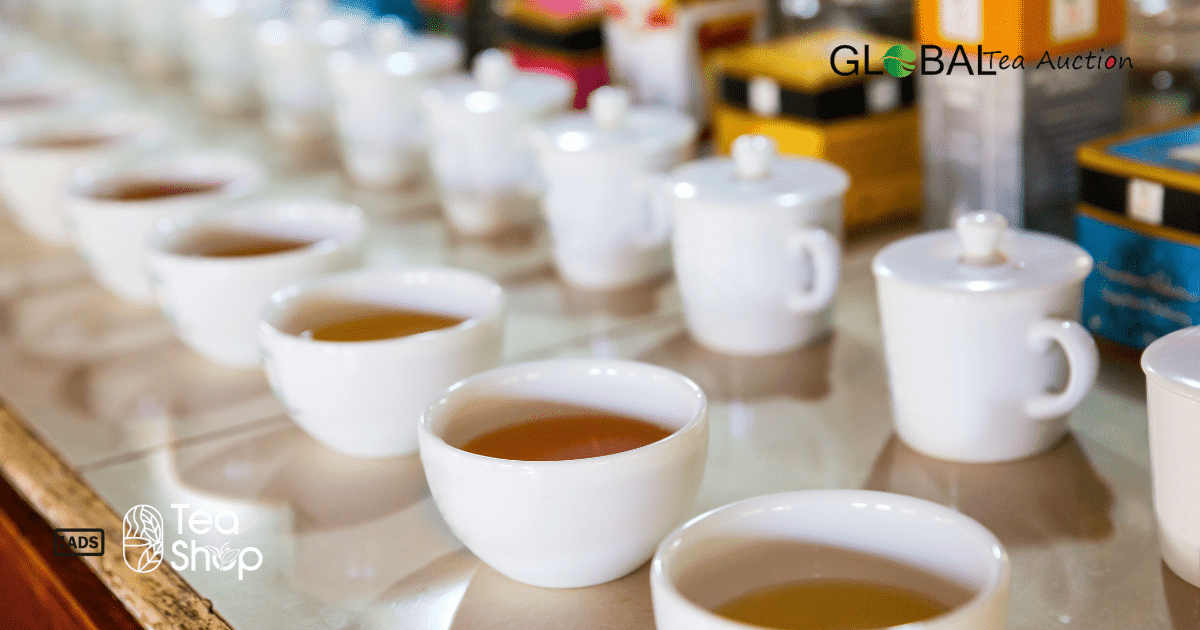
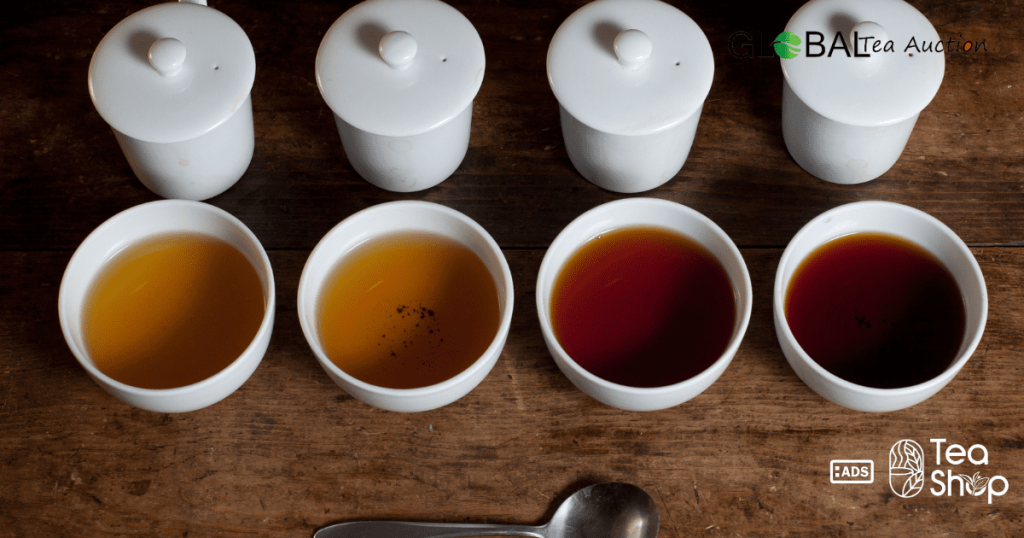
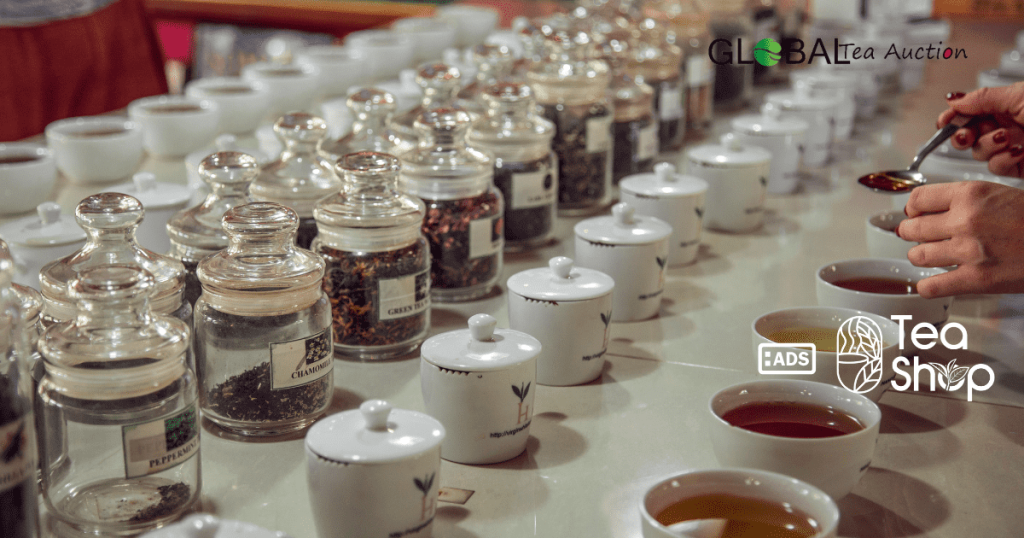
- Tasting Set or Teacups: Professional tasters use a specific cupping set, which includes a lidded cup, a tasting bowl, and a spoon. For home tasting, a simple white ceramic gaiwan (a lidded bowl) or small white porcelain teacups work perfectly. The white interior helps you accurately observe the tea’s colour.
- Teapot: A small teapot (around 150-250ml) made of porcelain or glass is ideal. These materials are non-porous and won’t absorb the aromas of previous teas, ensuring a pure tasting experience.
- Kettle with Temperature Control: This is perhaps the most crucial tool. Different teas require different water temperatures to extract their best flavours. A variable temperature kettle allows you to heat water to the precise degree needed.
- Digital Scale and Timer: Precision is key. A digital scale helps you measure the exact amount of tea leaves, and a timer ensures you don’t over- or under-steep your tea.
- Tasting Journal and Pen: Documenting your experience is vital for developing your palate. A dedicated tea tasting notebook allows you to record your impressions of the aroma, flavour, and body of each tea, which you can refer back to later.
- Quality Water: The quality of your water has a massive impact on the taste of your tea. Use filtered or spring water instead of hard tap water, which can make tea taste dull and flat.
A Step-by-Step Tea Tasting Guide
Tea tasting, or cupping, is a structured process designed to evaluate a tea’s quality and character. Follow these steps to conduct your own tasting session.
Step 1: Preparation
- Measure: Use your digital scale to measure your tea leaves. A good starting point is 2-3 grams of tea per 150ml of water.
- Heat Water: Heat your filtered water to the correct temperature for your tea type.
- White & Green Teas: 75-85°C
- Oolong Teas: 85-95°C
- Black Teas: 95-100°C
- Steep: Place the leaves in your teapot or gaiwan, pour the hot water over them, and start your timer. Steeping times vary, but a general guide is 1-2 minutes for green tea, 2-3 for white tea, and 3-5 for oolong and black teas.
Step 2: Observe the Dry and Wet Leaves
Before and after steeping, take a moment to look at the leaves. Are they whole leaves, or broken pieces? Note their shape, size, and colour. High-quality teas often consist of whole, unbroken leaves. After steeping, observe how the leaves have unfurled.
Step 3: Evaluate the Aroma
Aroma is a huge part of the tasting experience.
- Dry Leaves: Before steeping, bring the dry leaves to your nose and inhale. What do you smell? Sweet, grassy, or floral notes?
- Wet Leaves: After steoping, smell the wet leaves in the pot. The aroma will be much more intense. This is often where you’ll find the most complex scents.
Step 4: Taste the Tea (The Slurp!)
Pour the steeped tea (the liquor) into your tasting bowl or cup.
- Observe the Liquor: Hold the cup against a white background. Note the colour and clarity. Is it pale yellow, deep amber, or rich ruby? Is it clear or cloudy?
- Slurp: Take a small amount of tea onto a spoon or directly from the cup and slurp it into your mouth. Slurping aerates the tea and sprays it across your entire palate, allowing all your taste buds to engage.
- Evaluate: As the tea sits in your mouth, consider these elements:
- Flavor: What are the dominant tastes? Are they sweet, savory, fruity, or floral?
- Body/Mouthfeel: How does the tea feel in your mouth? Is it light and thin, or full and creamy? Is it smooth or astringent (a drying sensation)?
- Aftertaste (Finish): After you swallow, what flavour lingers? A good tea will have a pleasant and lasting finish, known as hui gan in Chinese tea culture.
Step 5: Record Your Experience
Immediately write down your impressions in your tasting journal. Be as descriptive as possible. Don’t worry about using the “right” words—use whatever terms make sense to you. Over time, you’ll build a personal vocabulary for describing tea.
Top Tea Tasting Locations in Australia
Australia has a burgeoning specialty tea scene with many places to explore and deepen your knowledge.
- Tea Houses in Major Cities:
- Melbourne: The city is a hub for tea lovers. Visit venues like Impala & Peacock in Brunswick or Kuura in Fitzroy for a curated tea ceremony experience.
- Sydney: Explore places like The Tea Centre in the CBD or Ms. Cattea in Potts Point for traditional Chinese tea tasting sessions.
- Canberra: Adore Tea in Mitchell offers an extensive menu and tasting events.
- Tea Estates and Farms:
- For a true farm-to-cup experience, visit a tea plantation. Nerada Tea in Queensland is one of Australia’s largest producers and offers factory tours. There are also smaller, boutique farms in regions like northern New South Wales and Victoria where you can learn about cultivation firsthand.
- Online Communities and Events:
- The Australian Tea Cultural Society (AUSTCS) and various Facebook groups connect enthusiasts across the country. They often host online tastings, workshops, and discussions, making it easy to engage with the Australian tea culture from anywhere.
Tips for Avoiding Common Beginner Mistakes
As you start your journey, you might make a few common errors. Here’s how to avoid them:
- Don’t Over-Steep: Bitterness is often a result of steeping for too long. Use a timer!
- Watch Your Water Temperature: Boiling water will scorch delicate green and white teas. Use a temperature-controlled kettle or let boiling water cool for a few minutes.
- Start with Pure Teas: Avoid flavoured or blended teas initially. Tasting single-origin, unflavoured teas is the best way to understand the inherent characteristics of each type.
- Taste Mindfully: Don’t rush. Give yourself time to smell, sip, and savour.
- Don’t Be Overwhelmed: Start with one or two tea types that appeal to you. You don’t need to try everything at once. Gradually expand your horizons as your confidence grows.
- Avoid Tasting When Sick: Your sense of smell and taste are diminished when you have a cold. Wait until you’re feeling better to properly appreciate the tea.
Your Journey Into Tea Begins
Tea tasting is an accessible and deeply rewarding hobby that invites you to slow down and engage your senses. By understanding the main tea varieties, using the right tools, and following a structured tasting method, you can unlock a world of flavour you never knew existed. Remember that developing your palate takes time and practice, so be patient and enjoy the process of discovery.
Start by exploring the teas that intrigue you most and don’t be afraid to experiment with different brewing parameters. Your personal journey into the art of tea is just beginning.
Authoritative References
- Tea & Herbal Association of Canada: Provides extensive resources on tea types and brewing.
- International Tea Committee: Publishes annual statistics and reports on the global tea market.
Frequently Asked Questions (FAQ)
1. What is the difference between tea tasting and a tea ceremony?
Tea tasting, or cupping, is primarily an analytical process focused on evaluating the quality and flavour profile of a tea. A tea ceremony, such as the Japanese Chanoyu or Chinese Gongfu Cha, is a cultural and spiritual ritual centered on the preparation and service of tea in a graceful, mindful manner.
2. Can I use a regular mug for tea tasting?
While you can, a small, white porcelain cup is recommended. The white colour allows you to see the true shade of the tea liquor, and the small size encourages you to sip and savour rather than gulp.
3. Why do professional tea tasters slurp the tea so loudly?
Slurping is a crucial technique in professional tasting. It aerates the tea and sprays it across the entire palate, including the back of the throat and nasal passages. This engages both taste and smell, providing a much fuller and more comprehensive sensory experience.
4. How do I develop my palate for tea?
The best way to develop your palate is through consistent and mindful tasting. Taste a wide variety of teas, take detailed notes in a tasting journal, and try tasting the same tea brewed in different ways. Over time, you’ll become more adept at identifying subtle flavours and aromas.
5. Is it better to start with loose-leaf tea or teabags?
For serious tea tasting, loose-leaf tea is far superior. Teabags typically contain lower-grade, broken tea leaves called “dust” or “fannings,” which brew quickly but lack the nuanced flavour and aroma of whole-leaf teas.
6. Where is the best place to buy high-quality tea in Australia?
Look for specialty tea retailers, either online or in-person. Many online stores in Australia import high-quality, single-origin teas directly from farms around the world. Local tea houses are also excellent sources, as their staff can offer expert recommendations.
7. How should I store my tea to keep it fresh?
Store your tea in an airtight, opaque container away from heat, light, moisture, and strong odours. A dedicated tea caddy or a simple tin is ideal. Avoid storing tea in the refrigerator or freezer, as this can introduce moisture and damage the leaves.
Authority References
- Tea & Herbal Association of Canada
- FAO — Intergovernmental Group on Tea
- Australian Government — FSANZ Food Safety Standards


