Tea Packaging Machines: A Practical Buyer’s Guide
Tea packaging machines have revolutionized the industry with impressive capabilities, enabling manufacturers to pack products efficiently and consistently. When looking at the market, we find an extensive range of options, with manufacturers having sold over 3,000 machines worldwide. Whether you’re considering automatic tea bag packing machines that operate at speeds of up to 130 cycles per minute or manual systems designed for smaller operations, selecting the right equipment is crucial for your tea business.
The tea packaging process varies widely depending on your specific needs. From loose leaf tea packing machines to full automatic tea packaging machines, the technology available today can accommodate various tea forms including bagged, loose leaf, and fermented teas. Additionally, the market offers everything from commercial tea packaging machines for large-scale production to manual tea bag packing machines that provide cost-effective solutions for smaller businesses.
In this comprehensive buyer’s guide for 2025, we’ll walk you through everything you need to know about tea packaging machinery. We’ll explore the different types available, key features to consider, how to match a machine to your specific business requirements, and importantly, the long-term considerations like maintenance and support. Our goal is to help you make an informed decision that aligns with both your current needs and future growth plans.
Types of Tea Packaging Machines in 2025
The tea packaging machinery market is segmented into distinct categories, with tea bag packaging machines projected to hold 38.2% of the market share in 2025. Understanding these machine types is crucial for selecting equipment that aligns with production needs.
Automatic tea bag packing machines
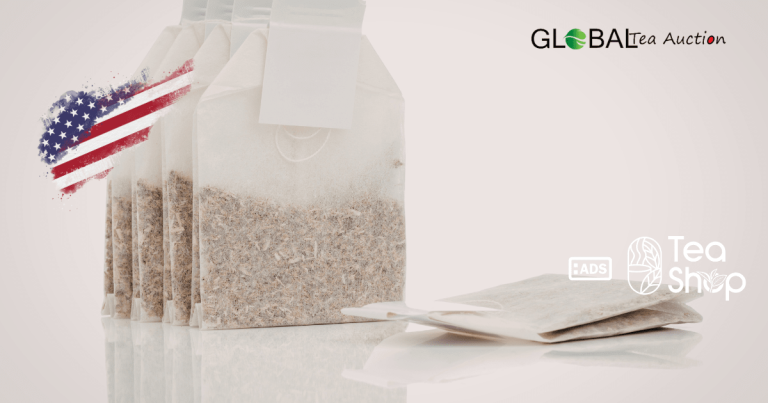
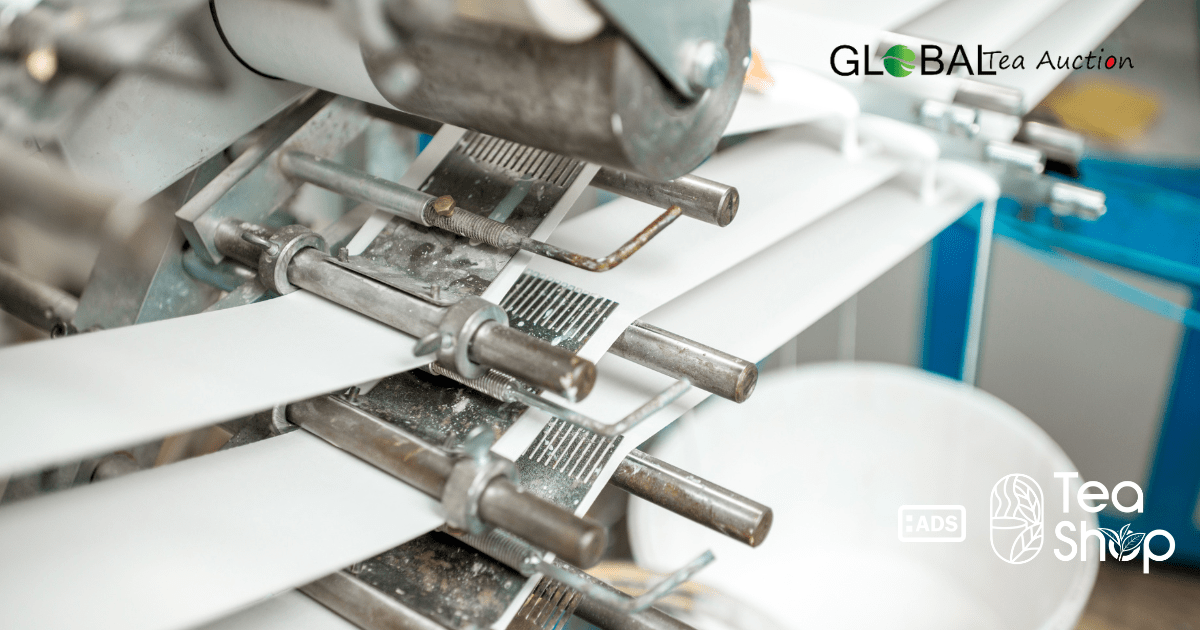
Automatic tea bag packing machines streamline the entire packaging process, from filling to sealing. These machines offer significant production efficiency, operating at speeds of 30-60 bags per minute, while high-speed models can produce hundreds of bags per minute. Pyramid tea bag machines create triangular-shaped bags that allow better tea infusion, making them popular for premium products. Moreover, ultrasonic sealing technology ensures secure packaging that maintains freshness. These machines can produce both naked bags and those with outer envelopes.
Loose leaf tea packing machines
Loose leaf tea packing machines are specifically designed for packaging whole tea leaves in a manner that preserves freshness, flavor, and aroma. These machines typically connect with Z-type bucket elevators and multi-head weighing systems to form integrated packaging units. They can produce various bag formats, including center-seal pillow or gusset bags with standard weights of 250g, 500g, and 1000g. Furthermore, pre-made pouch rotary packaging machines fill tea leaves into doy pouches with ziplock at 25-30 bags per minute.
Full automatic tea packaging machines
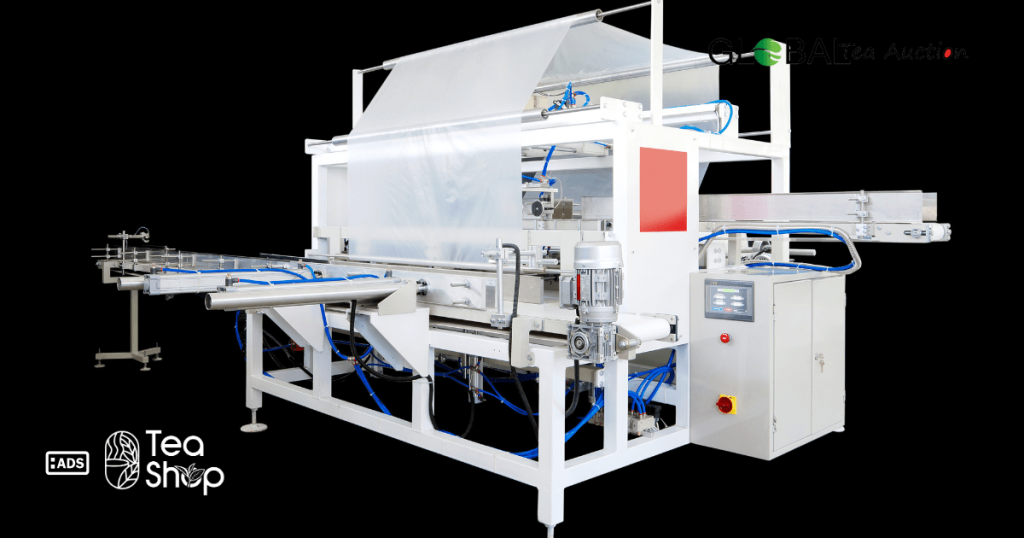
Full automatic tea packaging machines handle the entire packaging procedure, from filling and sealing to labeling and sorting. Consequently, manufacturers can produce enormous quantities faster and more efficiently. These systems typically feature PLC control and servo motors for precise operation. According to industry data, fully automatic high-speed machines offer the greatest production efficiency. The servo-motor-driven auger filling system ensures accurate measurements, while advanced sealing systems provide secure, attractive packaging.
Manual and semi-automatic options
For smaller operations or artisanal producers, manual and semi-automatic options provide cost-effective alternatives. Semi-automatic machines automate weighing and filling but require some manual intervention, such as placing empty bags or initiating cycles. These machines suit growing businesses needing improved speed without substantial capital investment. In contrast, manual machines are ideal for very small operations where the focus is on artisanal quality. They typically cost a few hundred dollars and produce tens of bags per hour, essentially serving the needs of craft producers.
Key Features to Look for in a Tea Packing Machine
Selecting the right tea packing machine requires careful consideration of several critical features. First and foremost, understanding these key components will ensure your investment aligns with your production needs.
Speed and output capacity
Modern tea packaging machines offer varying speeds, with some models achieving up to 400 bags per minute. Production requirements should drive your selection—small operations may function well with machines producing 20-30 packs per minute, whereas larger manufacturers might require systems capable of 250 bags per minute. Notably, the C24-E represents the latest generation in tea bag technology, reaching production speeds of 400 bags/minute with top-level efficiency.
Bag types and sealing methods
The sealing mechanism significantly impacts product quality and shelf life. Heat sealing (thermal bonding) remains the most common method, though it can cause tea bags to curl. Ultrasonic sealing offers greater precision with narrower sealing edges, reducing material consumption. Cold sealing (stapling) works effectively for porous materials with minimal damage risk. Beyond that, consider whether you need machines capable of producing multiple bag styles—some can switch between flat and triangular sachets with one-click format changes.
Material compatibility
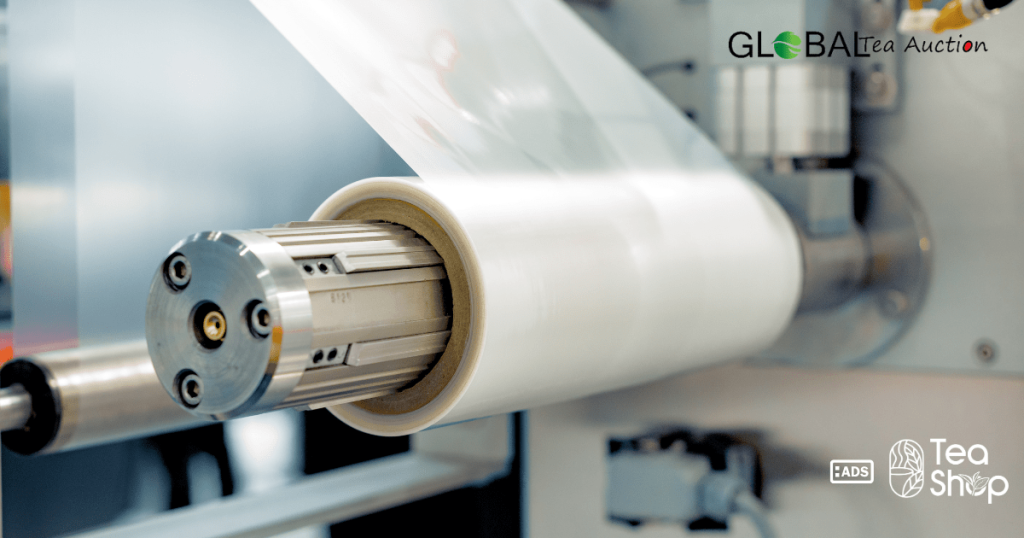
Your machine must accommodate your preferred packaging materials. Some systems work exclusively with food-grade aluminum foil composite film offering excellent barrier properties, while others handle PET/AL/PE composite films providing good mechanical strength. Filter papers require specific machine configurations, particularly for pyramid bags. Coupled with material considerations, verify compatibility with newer sustainable options if environmental concerns factor into your business model.
Ease of maintenance and cleaning
Regular maintenance extends machine life and ensures consistent performance. Daily maintenance should include cleaning, tightening, adjustment, lubrication, and corrosion prevention. Clean machines operate better and reduce mechanical malfunction risks from buildup in moving parts. Particularly important is regular inspection of screws, nuts, and fasteners experiencing vibration, such as sealing devices and cutting blades.
Integration with labeling and weighing systems
Integration capabilities significantly enhance efficiency. Advanced weighing systems maintain accurate fill weights, with multi-head weighers utilizing combinations of small weigh-buckets to control overfilling. Given that modern systems often feature date printing capabilities, nitrogen flushing options, and vision inspection systems, ensuring compatibility with these add-ons proves essential for future expansion. Certainly, machines with user-friendly interfaces and intuitive software minimize operator training time.
Choosing the Right Machine for Your Tea Business
Finding the perfect match between your tea business needs and packaging technology demands a thoughtful approach. The decision impacts your operation’s efficiency, product quality, and bottom line.
Small-scale vs. commercial tea packaging machines
For artisanal operations, simple equipment like precision scales or mini dosing funnels with hand-held heat sealers often suffice, costing merely hundreds of dollars but yielding only tens of bags hourly. Meanwhile, semi-automatic machines offer a middle ground, requiring some manual steps yet producing 30-60 bags per minute. Commercial setups benefit from fully automated systems capable of producing 80-200 bags per minute.
Matching machine type to tea form (leaf, powder, etc.)
Different tea forms require specialized machinery. Tea powder packaging machines accurately fill and seal powdered tea with stronger flavor profiles. Alternatively, for loose leaf products, multi-head electronic weighers offer exceptional accuracy, allowing different tea varieties to be loaded simultaneously.
Budget considerations and ROI
When calculating ROI, use this formula: ROI = [(Revenues – Total machine cost) / Total machine cost] × 100%. For instance, a $300,000 revenue from a $200,000 machine investment yields a 50% ROI. The payback period equals machine cost divided by annual profit.
Scalability and future-proofing
Nearly half (48%) of food and beverage packaging companies now prioritize future-proofing operations. Invest in machines offering versatility to handle various bag types as consumer preferences evolve. Additionally, consider automation features that collect valuable production data for continuous improvement.
Support, Service, and Long-Term Considerations
The success of your tea packaging operation depends not just on the initial machine purchase but also on ongoing support. Indeed, investing in machinery with solid after-sales infrastructure proves critical for maintaining productivity.
Availability of spare parts and manuals
Access to replacement components ensures minimal downtime. Leading manufacturers offer 24/7 online spare parts catalogs with immediate stock availability checks, price information, and order tracking. Some companies serve as technical support partners for multiple machine models, offering OEM-grade precision parts at up to 50% lower maintenance costs. Besides official channels, third-party manufacturers produce compatible components for popular machines like IMA and TEEPACK, often with shorter lead times.
Retrofit and upgrade options
Rather than replacing entire machines, retrofitting extends equipment life at a fraction of replacement costs. Retrofitting involves updating existing machinery with advanced components to revitalize aging equipment and align with modern technological standards. These upgrades allow machines to handle new applications, achieve original run speeds, and support eco-friendly packaging materials. Manufacturers like TEEPACK offer specific retrofit packages adding new functions to existing machines.
Warranty and customer support
Quality customer support significantly impacts operational efficiency. Most manufacturers provide warranty periods covering electronic and mechanical problems. Some offer tiered support with response times varying by urgency—from 4 hours for critical issues (machine completely stopped) to 14 hours for minor problems. Comprehensive service packages include remote diagnostics, online support, and emergency breakdown assistance.
Training and onboarding for operators
Proper training maximizes machine performance and reduces downtime. Training options include on-site or manufacturer-site courses conducted by qualified technicians. Programs range from basic hands-on training to intermediate classroom sessions with practical activities. Comprehensive training covers routine maintenance, format changes, cleaning, and troubleshooting procedures. Many manufacturers provide attendance certificates after successful assessment tests.
Conclusion
Selecting the right tea packaging machine represents a critical decision for any tea business. Throughout this guide, we’ve explored various machine types that serve different operational scales and requirements. Automatic tea bag packing machines offer high-speed solutions, while loose leaf equipment addresses specific needs for whole tea leaves. Full automatic systems provide comprehensive solutions, whereas manual and semi-automatic options remain viable for smaller operations.
When making your selection, speed capacity, bag type versatility, and material compatibility should factor prominently into your decision-making process. Your choice ultimately depends on your specific business requirements – whether you operate at artisanal scale or run commercial-level production.
Budget considerations certainly matter, but calculating potential ROI helps justify the investment. Additionally, scalability deserves careful thought since consumer preferences and your business needs will likely evolve over time. Machines offering flexibility with different bag types and sizes will serve you better as your operation grows.
Last but certainly not least, support infrastructure plays a crucial role in maintaining operational efficiency. Access to spare parts, retrofit options, comprehensive warranties, and thorough operator training all contribute to maximizing your investment’s lifespan and productivity.
The tea packaging machinery landscape continues to advance rapidly, with manufacturers incorporating new technologies and addressing sustainability concerns. Therefore, choosing a system that balances current needs with future adaptability will position your tea business for lasting success. Armed with the knowledge from this buyer’s guide, you now stand ready to make an informed decision that aligns perfectly with your unique tea packaging requirements for 2025 and beyond.
FAQ
Navigating the world of tea packaging equipment often raises common questions. Here are the most frequently asked questions about tea packing machines to help clarify your purchasing decision:
What is the typical lifespan of a tea bag packaging machine?
With proper maintenance, these machines typically last 8-10 years.
What’s the difference between automatic and semi-automatic machines?
Automatic machines complete packaging tasks without human intervention, while semi-automatic machines require some manual input during operation.
Can tea packaging machines handle eco-friendly materials?
Yes, many modern machines process biodegradable and compostable materials, supporting sustainable packaging initiatives.
What production speeds can I expect?
Depending on the model, speeds range from 30 to 100 packs per minute.
What packaging materials work with these machines?
Compatible materials include laminated films, BOPP, aluminum foil, filter paper, and eco-friendly wraps.
What’s the price range for tea packaging machines?
Prices vary from $1,500 for manual models to over $50,000 for fully automatic high-speed machines.
What maintenance do these machines require?
Regular maintenance includes periodic cleaning, sealing jaw checks, sensor calibration, along with tightening components, lubrication, and corrosion prevention.
Is nitrogen flushing available? Yes, many models offer optional nitrogen flushing for preserving freshness.