
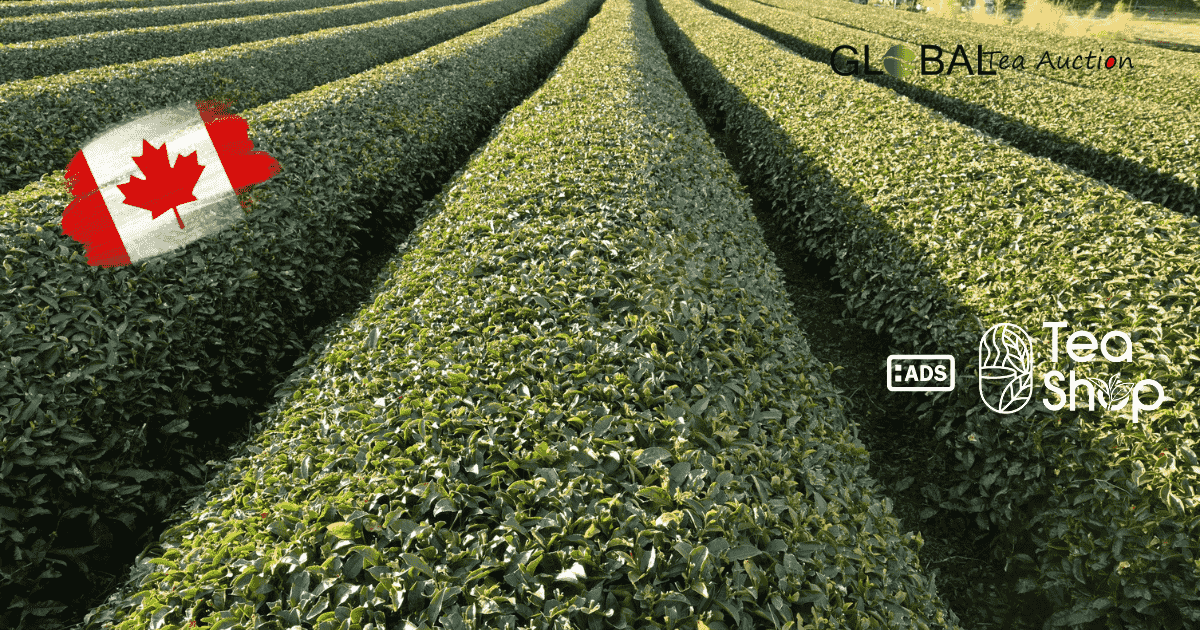
Can Tea Grow in Canada? A Guide for 2026
The global tea industry is a powerhouse, driven by centuries of tradition and a worldwide love for this comforting beverage. When we think of sprawling tea plantations, images of Sri Lanka, India, or Kenya often come to mind—regions with warm, humid climates perfect for the Camellia sinensis plant. This naturally leads to a compelling question: Can tea, a plant so closely associated with the tropics and subtropics, find a home in the cooler, more variable Canadian climate?
For many, the idea of Canadian Tea Growing seems improbable. Canada is known for its vast forests, snowy winters, and agricultural staples like wheat and canola, not delicate tea leaves. However, the world of agriculture is full of surprises, driven by innovation, climate change, and the growing demand for locally sourced products. The Canadian tea market is valued at approximately $200 million annually, signalling a strong domestic appetite that could support a local industry.
This guide explores the feasibility of tea cultivation in Canada. We will examine the specific climate and soil conditions required for tea to thrive, map them against Canada’s diverse climate zones, and identify the most promising regions. Drawing on data, case studies, and expert insights, we will cover the challenges, opportunities, and economic realities of growing tea in the Great White North. By the end, you’ll have a clear understanding of whether a Canadian-grown cuppa is a distant dream or an emerging reality for 2026 and beyond.
Understanding Tea & Its Ideal Climate
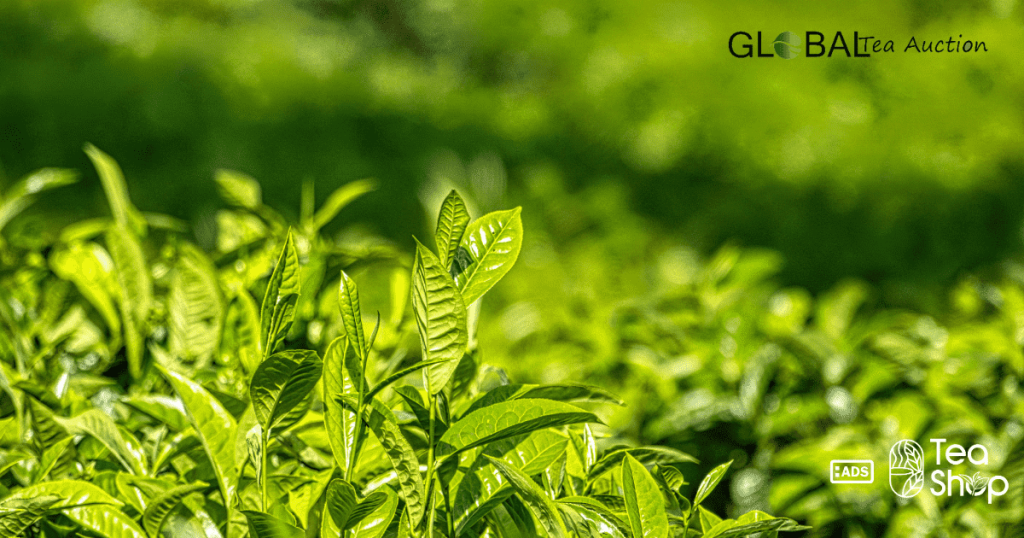
Before assessing Canada’s potential, it’s crucial to understand the fundamental requirements of the tea plant, Camellia sinensis. This evergreen shrub is surprisingly resilient, but commercial cultivation depends on a specific set of environmental factors to produce high-quality leaves with complex flavours.
Temperature
Tea thrives in regions where the average temperature is between 13°C and 29°C. It requires a consistent, warm climate to support continuous leaf growth (flushing). While the plant can survive brief cold snaps, prolonged frost is its greatest enemy. Frost can severely damage or kill the new, tender shoots that are harvested for tea, halting production entirely. This makes growing tea in cold climate conditions a significant challenge, requiring careful site selection or protective measures.
Rainfall
Consistent and abundant rainfall is essential. Tea plants need at least 1,200 mm of rain annually, distributed evenly throughout the year, to flourish. Regions with distinct dry seasons can struggle to maintain the necessary soil moisture, which is vital for nutrient uptake and leaf development. Drought stress can lead to stunted growth and a bitter taste in the final product.
Sunlight
Tea plants require a delicate balance of sunlight and shade. They need about four to six hours of direct sunlight per day. Too much direct sun can scorch the leaves, while too little will inhibit photosynthesis and slow growth. In many traditional tea-growing regions, shade trees are planted throughout the plantations to filter the intense sunlight.
Soil Conditions
The ideal soil for tea is acidic, well-draining, and deep. The optimal soil pH range for Camellia sinensis is between 4.5 and 5.5. Soil that is too alkaline will lock up essential nutrients, leading to deficiencies and poor plant health. The soil must also be deep enough to accommodate the plant’s long taproot and have good drainage to prevent waterlogging, which can cause root rot.
Canada’s Climate Zones & Tea Growing Potential
Canada is the second-largest country in the world, with a vast and varied landscape that encompasses several distinct climate zones. While much of the country experiences harsh winters unsuitable for tea, certain pockets offer a glimmer of hope.
Here’s an overview of the major Canadian climate zones and their suitability for tea cultivation:
- Arctic & Subarctic Zones (Northern Canada): Characterized by extremely long, cold winters and short, cool summers, these zones are entirely unsuitable for growing tea outdoors.
- Prairie Zone (Alberta, Saskatchewan, Manitoba): Known for its continental climate with very cold winters, hot summers, and low precipitation. The harsh winters and insufficient rainfall make it a challenging environment for tea.
- Atlantic Zone (Maritime Provinces): Experiences cool, wet weather with significant snowfall. While rainfall is plentiful, the cold winters and relatively short growing season pose major obstacles.
- Great Lakes-St. Lawrence Zone (Southern Ontario & Quebec): This region has hot, humid summers and cold, snowy winters. The severe winters make it difficult, though microclimates near the Great Lakes could offer some protection.
- Pacific Maritime Zone (Coastal British Columbia): This is, by far, the most promising region. It features mild, rainy winters and warm, drier summers, creating a temperate rainforest environment.
Viable Regions for Tea Cultivation in Canada
Based on the climate requirements, the coastal regions of British Columbia stand out as the most viable area for tea cultivation Canada.
British Columbia: Canada’s Tea Hotspot
The Pacific coast of British Columbia, particularly Vancouver Island and the Fraser Valley, presents the most realistic opportunity for commercial tea farming in Canada.
Climatic Advantages
- Mild Winters: The moderating influence of the Pacific Ocean prevents the extreme cold seen elsewhere in Canada. This temperate climate is similar to parts of the UK and New Zealand, where tea cultivation has been successful.
- Abundant Rainfall: Coastal BC receives between 1,500 and 3,000 mm of rainfall annually. This high level of precipitation is well within the ideal range for Camellia sinensis, ensuring the plants have consistent moisture.
- Ideal Soil: Many areas in this region have naturally acidic soil, with pH levels reported between 5.5 and 6.5. This is close to the optimal range for tea and can be easily amended to achieve the perfect conditions.
The combination of these factors creates a unique microclimate where tea plants have a fighting chance not only to survive but to produce leaves with a distinct terroir. The slightly cooler temperatures and longer growing days in summer could result in a tea with unique flavour characteristics, much like the renowned teas from Darjeeling, which grow at high altitudes.
Challenges & Opportunities of Growing Tea in Canada
Embarking on tea cultivation in Canada is not without its hurdles, but the potential rewards are significant.
Challenges
- Climate Variability: Even in British Columbia, unexpected late frosts in spring or early frosts in autumn can damage harvests. A single cold event can wipe out the most valuable first flush of leaves.
- Lack of Established Infrastructure: Unlike traditional tea-growing nations, Canada lacks the specialized infrastructure for tea processing. Entrepreneurs would need to invest heavily in withering troughs, rolling machines, and dryers.
- High Labour Costs: Canada has a high cost of labour compared to major tea-producing countries. Since high-quality tea is often hand-plucked, this presents a significant economic challenge.
- Limited Genetic Material: Access to diverse and cold-resistant tea plant varieties is limited. Most of the available cultivars are bred for warmer climates.
Opportunities
- Strong Local Market: With a $200 million domestic market, there is a clear demand for tea. A “Grown in Canada” label could command a premium price, appealing to consumers who prioritize local and artisanal products.
- Unique Terroir: Canadian-grown tea would possess a unique flavour profile, or terroir, influenced by the specific soil and climate. This distinctiveness is a powerful marketing tool.
- Agritourism: Tea farms could become tourist destinations, offering tours, tastings, and workshops. This diversification can create an additional, stable revenue stream.
- Innovation in Cultivation: Canadian growers can leverage agricultural technology, such as climate-controlled greenhouses and precision irrigation, to mitigate climate risks and optimize growth.
Case Study: Westholme Tea Company
The most prominent example of successful tea cultivation Canada is the Westholme Tea Company, located in the Cowichan Valley on Vancouver Island. Founded by Victor Vesely and Margit Nellemann, Westholme has proven that growing tea in Canada is not just a theoretical possibility.
Since planting their first tea bushes in 2010, they have successfully harvested and processed their own 100% Canadian-grown tea. Their farm now boasts over 800 Camellia sinensis plants, and their small-batch, artisanal teas are highly sought after. Westholme serves as an invaluable proof of concept, demonstrating that with the right site selection and careful management, high-quality tea can be produced in a Canadian climate. Their success story has inspired others to explore tea farming in the region.
The Economics of Canadian Tea
Understanding the economic landscape is crucial for anyone considering entering this nascent industry.
Tea Yield & Market Value
The tea yield Canada will likely be lower than in tropical regions due to a shorter growing season. While a mature plantation in Kenya might yield 4,000 kg of processed tea per hectare, a Canadian farm might realistically expect 500-1,000 kg per hectare.
However, this lower yield can be offset by a much higher market value. Artisanal, locally grown tea can sell for $200-$500 per kilogram, and in some cases even more, compared to the bulk commodity price of $3-$5 per kilogram.
Here’s a comparison of potential costs and revenue:
| Metric | Traditional Tea Region | Potential for Canada |
|---|---|---|
| Yield per Hectare | 2,000–4,000 kg | 500–1,000 kg |
| Labour Cost | Low | High |
| Market Price (per kg) | $3–$10 (Commodity) | $150–$500+ (Artisanal) |
| Primary Market | Global Export | Domestic, Niche, Premium |
| Key Advantage | Economy of Scale | Terroir, Provenance, Quality |
This data illustrates that a Canadian tea business model must focus on quality over quantity, targeting a premium, niche market willing to pay for a unique, local product.
The Future of Tea in Canada: 2026 & Beyond
The future of growing tea in Canada looks promising, driven by several emerging trends.
Increased Investment in Cold-Hardy Varieties
Research from Agriculture and Agri-Food Canada has highlighted the potential of cultivating cold-resistant tea varieties developed in places like Russia and Georgia. As Canadian growers gain access to this genetic material, the viable growing regions could expand beyond the coast of British Columbia.
Adoption of Advanced Agri-Tech
To overcome climatic challenges, we will see greater use of technology. This includes:
- Climate-Controlled Greenhouses: Allowing for year-round cultivation and protection from frost.
- Precision Irrigation: To manage soil moisture during drier summer months.
- Automated Harvesting: While still in development, robotic pluckers could help mitigate high labour costs in the future.
Growth of Agritourism & Unique Blends
The model established by Westholme will likely be replicated, with new tea farms becoming destinations for tourists. Furthermore, there is a significant opportunity to create unique Canadian blends by incorporating native botanicals like Labrador tea, wild mint, or Saskatoon berries, creating a product that is truly and uniquely Canadian.
The Final Verdict
So, can tea grow in Canada? The answer is a qualified yes. While large-scale, commodity-level production is unlikely to ever be feasible, the potential for a thriving, high-value, artisanal tea industry is very real. The journey is fraught with challenges—from climate hurdles to economic pressures—but the success of pioneers in British Columbia has paved the way.
As we look toward 2026, the combination of consumer demand for local products, advancements in agricultural technology, and the passion of innovative farmers suggests that the sight of tea bushes flourishing under Canadian skies will become an increasingly common, and welcome, one. The future of Canadian tea is not about competing with the global giants; it’s about crafting a small, precious, and distinctly local story, one cup at a time.
Frequently Asked Questions (FAQs)
1. What type of tea can be grown in Canada?
All types of tea (black, green, oolong, white) come from the same plant, Camellia sinensis. The difference is in the processing of the leaves after harvest. Therefore, Canadian farms can produce any type of tea, depending on their processing equipment and expertise.
2. Is Canadian-grown tea available for purchase?
Yes, but in very limited quantities. Westholme Tea Company on Vancouver Island is the primary producer, and their small-batch teas often sell out quickly. As more small farms begin production, availability is expected to increase.
3. How does the taste of Canadian tea compare to others?
Canadian tea is said to have a unique terroir. Due to the cooler climate and different soil composition, it may have a slightly sweeter, less astringent flavour profile compared to teas grown in hotter climates. The specific taste can vary greatly depending on the processing method.
4. Are there government grants for starting a tea farm in Canada?
While there are no grants specifically for tea farming, prospective growers may be eligible for broader agricultural funding through federal or provincial programs aimed at agricultural diversification, innovation, or sustainable farming. It’s recommended to consult with Agriculture and Agri-Food Canada for potential opportunities.
5. Can I grow a tea plant in my backyard in Canada?
Yes, if you live in a suitable climate zone like coastal BC (USDA Zones 7-8), you can grow Camellia sinensis outdoors. In colder parts of Canada, you can grow it in a pot and bring it indoors during the winter. It requires acidic soil, consistent moisture, and partial sun.
Authority References:
- Agriculture and Agri-Food Canada – Climate and Agriculture
- Tea and Herbal Association of Canada
- UK Tea & Infusions Association – Growing Tea in the UK