

Discover the Art of Boba Tea Drink
Boba tea, also known as bubble tea, has captivated the taste buds of people worldwide with its unique blend of flavors and textures. Originating from Taiwan, this delightful beverage combines tea, milk, and chewy tapioca pearls to create a sensory experience unlike any other. As we delve into the world of boba tea, we will explore the essential elements that make this drink a staple for both casual enthusiasts and dedicated connoisseurs.
At its core, boba tea is a versatile drink that allows for endless customization. Whether you prefer it hot or cold, sweet or mildly flavored, the possibilities are endless. The fundamental components of boba tea include the tea base, sweeteners, milk or non-dairy alternatives, and, of course, the signature tapioca pearls. Each element plays a crucial role in defining the overall taste and texture of the drink.
To truly appreciate boba tea, one must understand the balance between its ingredients. The interplay of sweet and savory, creamy and chewy, creates a harmonious blend that is both refreshing and satisfying. As we journey through the history, ingredients, and techniques of crafting the perfect boba tea drink, we will uncover the secrets to mastering this beloved beverage.
History of Boba Tea: From Taiwan to Global Phenomenon
The origins of boba tea can be traced back to the 1980s in Taiwan, where it was first introduced as a simple tea-based drink with an innovative twist. The addition of tapioca pearls, or “boba,” provided a unique texture that quickly captured the attention of locals. Initially, boba tea was sold in traditional tea shops, where it gained popularity through word of mouth and local demand.

As the drink’s popularity grew, so did its variations. Different tea bases, flavors, and add-ons were introduced, allowing customers to create a personalized experience with each cup. By the 1990s, boba tea had made its way overseas, first spreading to neighboring Asian countries and eventually reaching the United States and Europe. This global expansion was fueled by cultural curiosity and the desire for new and exciting culinary experiences.
Today, boba tea is a worldwide phenomenon, with dedicated shops and franchises offering an array of flavors and combinations. This cultural journey from a humble Taiwanese beverage to an international staple highlights the universal appeal of boba tea’s playful and customizable nature. Its continued evolution promises to keep it a favorite among tea lovers for generations to come.
Key Ingredients of Boba Tea: What You Need to Know
Creating the perfect boba tea drink starts with understanding its key ingredients. Each component contributes to the overall flavor, texture, and appearance, making it essential to select high-quality elements for the best results. Let’s explore these crucial ingredients in detail.
- Tea Base: The foundation of any boba tea drink is the tea itself. Common choices include black tea, green tea, and oolong tea, each offering distinct flavors and aromas. Selecting the right tea base depends on personal preference and the desired flavor profile of the final drink.
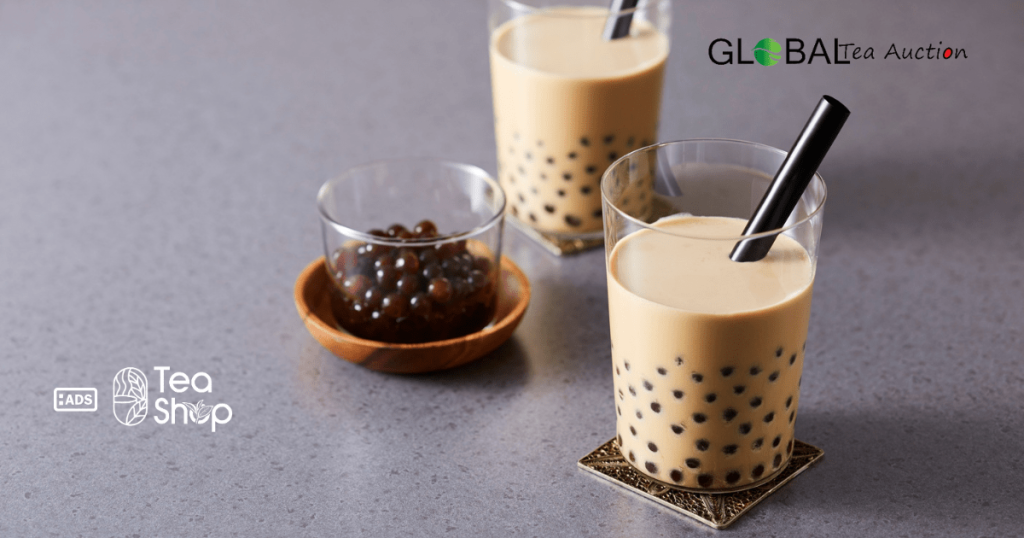
- Tapioca Pearls: These chewy, marble-sized balls are made from tapioca starch, derived from the cassava plant. They are cooked to a soft, gummy texture and often sweetened with sugar or honey. Tapioca pearls add a unique tactile element to boba tea, making it a fun and satisfying drink.
- Sweeteners and Flavors: To enhance the taste, various sweeteners like sugar, honey, or flavored syrups are added. Popular flavorings include fruit syrups, matcha, and taro, which can be mixed with the tea base to create a distinct taste.
- Milk and Non-Dairy Alternatives: To achieve a creamy texture, milk or non-dairy alternatives like almond milk or coconut milk are commonly added. The choice of milk affects the richness and smoothness of the drink.
By carefully selecting and balancing these ingredients, you can craft a boba tea drink that suits your taste preferences and stands out in flavor and quality.
Types of Boba Tea: Exploring Flavors and Variations
The beauty of boba tea lies in its adaptability, offering a wide range of flavors and variations to suit different palates. Here, we’ll explore some popular types of boba tea and what makes each one unique.
- Classic Milk Tea: The quintessential boba tea experience, classic milk tea combines black tea with milk and sweetener, topped with tapioca pearls. It’s a comforting and familiar choice that remains a favorite among many.
- Fruit Tea: For those seeking a refreshing alternative, fruit tea varieties incorporate fresh fruit or fruit syrups with a tea base. Popular options include mango, passionfruit, and lychee, providing a vibrant and fruity twist.
- Matcha Boba Tea: This variation uses matcha, a finely ground green tea powder, as the base. Known for its earthy and slightly bitter taste, matcha boba tea is a favorite among health-conscious individuals due to its antioxidant properties.
- Taro Boba Tea: Featuring a distinct purple hue, taro boba tea is made with taro root, which imparts a sweet and nutty flavor. It’s a visually striking choice that’s both delicious and intriguing.
- Brown Sugar Boba Tea: Also known as “tiger milk tea,” this trend features boba pearls cooked in a rich brown sugar syrup, creating a visually appealing striped effect in the cup. The flavor is caramel-like and indulgent.
By experimenting with these different types, you can discover the boba tea variation that resonates with your taste buds and enjoy a new experience with each sip.
The Art of Crafting Boba Tea: Step-by-Step Guide
Creating the perfect boba tea drink at home is both an art and a science. By following a step-by-step process, you can ensure that each element of your drink is meticulously crafted for the best possible taste and texture.
Step 1: Preparing the Tea Base
- Choose Your Tea: Select the type of tea you wish to use as the base. Brew the tea according to the instructions, ensuring it is strong enough to hold its flavor when combined with other ingredients.
- Cool the Tea: Allow the brewed tea to cool to room temperature or refrigerate it for a cold boba tea drink. This prevents the ice or milk from diluting the tea’s taste.
Step 2: Cooking Tapioca Pearls
- Boil the Pearls: In a pot, bring water to a rolling boil and add the tapioca pearls, stirring occasionally to prevent sticking. Cook until they float to the surface and achieve the desired chewiness.
- Sweeten the Pearls: Once cooked, drain and rinse the pearls with cold water. Toss them in a sugar syrup or honey to add sweetness and prevent them from clumping together.
Step 3: Assembling the Drink
- Combine Ingredients: In a shaker or blender, mix the tea base with milk, sweetener, and any additional flavors. Shake or blend until well combined.
- Add Tapioca Pearls: Spoon the sweetened tapioca pearls into a glass, then pour the tea mixture over them.
- Serve and Enjoy: Add ice cubes if desired, and serve with a wide straw to enjoy both the drink and the pearls simultaneously.
By following these steps, you can craft a delicious and satisfying boba tea drink that rivals those from your favorite tea shop.
Choosing the Right Tea Base for Your Boba Drink
Selecting the right tea base is crucial to crafting a boba tea drink that meets your flavor expectations. With numerous tea varieties available, understanding the characteristics of each can help you make an informed choice.
- Black Tea: Known for its robust and full-bodied flavor, black tea serves as the traditional base for classic milk tea. Its strong taste pairs well with milk and sweeteners, making it a versatile choice.
- Green Tea: Offering a lighter and more refreshing taste, green tea is ideal for fruit-based boba teas. Its subtle flavor allows fruity notes to shine, creating a balanced and invigorating drink.
- Oolong Tea: With a flavor profile that falls between black and green tea, oolong tea provides a unique and aromatic base. Its complex taste works well with floral and nutty flavors, offering a sophisticated twist.
- White Tea: Delicate and mildly sweet, white tea is perfect for those seeking a more subtle boba tea experience. Its gentle flavor complements light and floral add-ons.
When choosing a tea base, consider the overall flavor profile you wish to achieve. Experimenting with different teas can lead to exciting new combinations and a deeper appreciation for the art of boba tea.
Making Perfect Tapioca Pearls: Tips and Techniques
The tapioca pearls are the heart of any boba tea drink, providing its signature chewy texture. Mastering the art of cooking these pearls is essential for a satisfying boba experience. Here are some tips and techniques to achieve perfection.
- Use the Right Ratio: The key to perfect tapioca pearls is using the correct water-to-pearls ratio. A general guideline is to use 7 parts water to 1 part pearls. This ensures they have enough space to expand and cook evenly.
- Maintain Boiling Water: When cooking tapioca pearls, keep the water at a rolling boil. This helps the pearls cook evenly and prevents them from becoming mushy.
- Stir Occasionally: To prevent the pearls from sticking together, stir them gently during the cooking process. Avoid over-stirring, as it can cause them to break apart.
- Check for Doneness: Tapioca pearls are ready when they are translucent with a slight chewiness. For a softer texture, cook them a bit longer. Taste a pearl to ensure it has the desired consistency.
- Sweeten Immediately: After cooking, rinse the pearls with cold water and sweeten them with sugar syrup or honey. This not only adds flavor but also prevents them from sticking together.
By following these techniques, you can ensure that your tapioca pearls are perfectly cooked, enhancing the overall quality of your boba tea drink.
Enhancing Your Boba Tea: Toppings and Sweeteners
The beauty of boba tea lies in its customization, allowing for endless possibilities in terms of toppings and sweeteners. By incorporating different elements, you can create a truly personalized drink that caters to your taste preferences.
- Toppings: Beyond tapioca pearls, popular toppings include jelly cubes, popping boba, and aloe vera. Each topping adds a unique texture and flavor, providing a delightful surprise with every sip.
- Sweeteners: While traditional boba tea uses sugar or honey, alternative sweeteners like agave syrup, stevia, or flavored syrups can be used to suit dietary needs or flavor preferences. Experimenting with different sweeteners can lead to exciting new taste combinations.
- Flavor Additions: Enhance your boba tea with additional flavors like vanilla, cinnamon, or almond extract. These subtle additions can elevate the overall taste and create a more complex flavor profile.
By experimenting with different toppings and sweeteners, you can take your boba tea experience to new heights, ensuring each cup is a unique and delightful treat.
Popular Boba Tea Recipes to Try at Home
For those eager to create boba tea at home, experimenting with different recipes can be a rewarding and fun experience. Here are a few popular boba tea recipes to get you started on your homemade journey.
Classic Milk Tea with Tapioca Pearls
- Ingredients: Black tea, milk, sugar, tapioca pearls
- Instructions: Brew black tea and let it cool. Cook tapioca pearls and sweeten with sugar syrup. Mix the tea with milk and sweetener, then add tapioca pearls.
Mango Green Tea Boba
- Ingredients: Green tea, mango syrup, tapioca pearls, ice
- Instructions: Brew green tea and cool it. Blend tea with mango syrup and ice. Add cooked tapioca pearls and serve chilled.
Matcha Strawberry Boba
- Ingredients: Matcha powder, milk, strawberry syrup, tapioca pearls
- Instructions: Dissolve matcha powder in hot water. Mix with milk and strawberry syrup. Add cooked tapioca pearls and enjoy.
These recipes provide a starting point for your boba tea experimentation. Feel free to modify and customize them to create a drink that matches your personal taste.
Common Mistakes to Avoid When Making Boba Tea
Crafting the perfect boba tea drink requires attention to detail and an understanding of common pitfalls. Avoiding these mistakes will help ensure a delicious and satisfying beverage every time.
- Overcooking Tapioca Pearls: Cooking pearls for too long can result in a mushy texture. Monitor the cooking time closely and taste-test for the desired chewiness.
- Using Weak Tea: A weak tea base will be overpowered by other ingredients. Brew a strong tea to maintain a balanced and flavorful drink.
- Improper Sweetening: Adding sweetener to hot tea can lead to inconsistency. Allow the tea to cool before mixing in sweeteners to ensure even distribution.
- Neglecting Pearl Sweetening: Unflavored pearls can taste bland. Always sweeten the pearls after cooking to enhance their flavor.
- Incorrect Storage: Leaving boba tea to sit for too long can cause the pearls to harden. Prepare and consume your boba tea fresh for the best texture.
By keeping these common mistakes in mind, you can perfect your boba tea-making skills and enjoy a consistently delightful drink.
The Future of Boba Tea: Trends and Innovations
As boba tea continues to captivate audiences worldwide, new trends and innovations are shaping its future. These developments promise to elevate the boba tea experience and introduce exciting possibilities for tea enthusiasts.
- Health-Conscious Alternatives: With growing interest in health and wellness, boba tea is evolving to include healthier options. This includes low-sugar or sugar-free versions, as well as the use of organic and natural ingredients.
- Sustainable Practices: Environmental awareness is driving changes in the boba tea industry. Many shops are adopting eco-friendly practices, such as biodegradable straws and cups, to reduce their carbon footprint.
- Fusion Flavors: The fusion of boba tea with other culinary traditions is leading to innovative flavor combinations. From savory boba tea to alcoholic versions, these creative twists are expanding the boundaries of what boba tea can be.
- Technological Advancements: Automation and technology are making boba tea more accessible. Machines that prepare boba tea with precision and consistency are becoming increasingly popular in tea shops around the world.
These trends and innovations are paving the way for the future of boba tea, ensuring its place as a beloved beverage for years to come.
Conclusion: Elevate Your Boba Tea Experience
In exploring the art of crafting the perfect boba tea drink, we have uncovered the rich history, diverse ingredients, and creative possibilities that make this beverage a global phenomenon. From selecting the right tea base to perfecting the texture of tapioca pearls, each step in the process contributes to a delightful and personalized drink.
As you embark on your boba tea journey, remember to experiment with different flavors, textures, and techniques. The beauty of boba tea lies in its adaptability, allowing you to create a drink that is uniquely yours. Whether you prefer a classic milk tea or a bold fusion flavor, the world of boba tea offers endless opportunities for exploration and enjoyment.
Call to Action: Ready to elevate your boba tea experience? Start by trying one of the recipes provided or create your own unique blend. Share your creations with friends and family, and join the growing community of boba tea enthusiasts who are redefining this beloved drink. Happy sipping!