

Green Tea vs Black Tea: U.S. Comparative Laboratory Research Findings
Tea is one of the most consumed beverages in the world, second only to water. From the ceremonial traditions in Japan to the daily afternoon ritual in Britain, it holds a special place in cultures globally. While countless varieties exist, green and black tea remain the most popular. Both originate from the same plant, Camellia sinensis, yet their distinct characteristics and health profiles raise a common question: which one is better for you?
Many discussions about tea’s health benefits are broad, often lacking specific, verifiable data. This post aims to provide a clearer picture by comparing green and black tea through the lens of recent U.S. laboratory research. We will examine their chemical compositions, explore evidence-backed health benefits, and offer insights to help you choose the brew that best aligns with your wellness goals and personal taste.
By breaking down findings from respected U.S. institutions, we’ll move beyond general claims to offer a data-driven comparison. This will cover everything from antioxidant levels and caffeine content to their respective impacts on heart health and cognitive function. Understanding these scientific nuances can empower you to make a more informed choice for your daily cup.
A Tale of Two Teas: History and Processing
Although they come from the same plant, green and black tea undergo vastly different journeys from leaf to cup. This divergence in processing is what creates their unique colors, flavors, and chemical profiles.
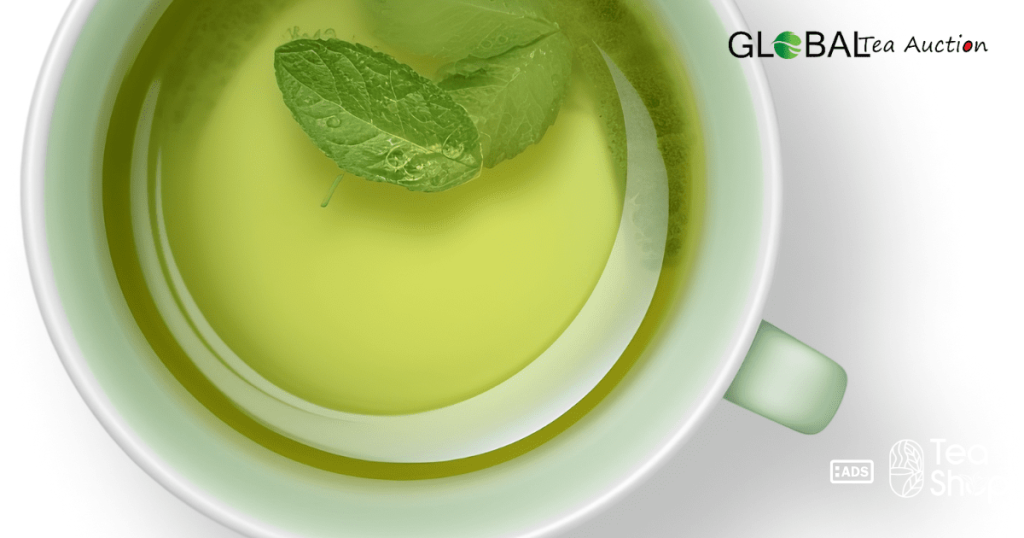
Green Tea: Hailing from China, green tea is the less processed of the two. To prevent oxidation—the chemical reaction that causes browning—the leaves are quickly heated after harvesting. This is typically done by steaming (a common Japanese method) or pan-firing (a traditional Chinese technique). This heat treatment preserves the leaves’ green color and locks in a high concentration of natural compounds called catechins.
Black Tea: Black tea, which gained immense popularity in the West, undergoes a full oxidation process. After being harvested, the leaves are withered, rolled, and left to oxidize in a controlled environment. During this time, enzymes in the leaves react with oxygen, turning them from green to a deep brown-black. This process not only changes the color and flavor but also transforms the chemical structure of the polyphenols, converting many of the catechins into more complex compounds known as theaflavins and thearubigins.
Decoding the Chemistry: A Lab-Based Look
To truly understand the differences between green and black tea, we need to look at their chemical makeup. U.S.-based lab analyses have provided precise data on their key components.
Polyphenols: The Powerhouse Compounds
Polyphenols are a large family of natural compounds in plants, and tea is particularly rich in them. These compounds act as antioxidants and are responsible for many of tea’s health benefits. The primary difference between green and black tea lies in the type of polyphenols they contain.
Green Tea’s Catechins: Green tea is packed with catechins, a type of flavonoid. The most abundant and potent of these is epigallocatechin-3-gallate (EGCG). A landmark study at UC Davis confirmed that green tea contains significantly higher levels of catechins, especially EGCG, compared to black tea. Because green tea is not oxidized, these delicate compounds remain largely intact. Green Tea Benefits are often linked directly to this high EGCG content.
Black Tea’s Theaflavins and Thearubigins: During the oxidation of black tea, catechins are converted into theaflavins and thearubigins. These complex polyphenols give black tea its characteristic dark color and brisk flavor. The same UC Davis study highlighted that while black tea has lower catechin levels, it contains these unique theaflavins, which are potent antioxidants in their own right. This means that while the antioxidant profile is different, Black Tea Benefits are still significant.
The flavonoids comparison shows that both teas offer robust antioxidant properties, just from different sources.
| Compound Group | Predominant in Green Tea | Predominant in Black Tea | Key Antioxidant Source |
|---|---|---|---|
| Catechins | High (especially EGCG) | Low | EGCG and other catechins |
| Theaflavins | Very Low/None | High | Theaflavins and thearubigins |
| Thearubigins | Very Low/None | High | Theaflavins and thearubigins |
Caffeine: A Stimulating Comparison
Caffeine is another key component, known for its stimulating effects. Many believe black tea always has more caffeine, but the reality is more nuanced.
Research from Consumer Reports conducted a caffeine comparison USA analysis and found that caffeine content varies widely based on several factors:
- Tea Variety: Different cultivars of the Camellia sinensis plant have naturally different caffeine levels.
- Brewing Time: The longer you steep your tea, the more caffeine is extracted. A black tea steeped for two minutes may have less caffeine than a green tea steeped for five.
- Water Temperature: Hotter water extracts caffeine more efficiently.
- Leaf Size: Smaller, broken leaves in teabags tend to release more caffeine faster than whole leaves.
Generally, black tea contains between 40-70 milligrams of caffeine per 8-ounce cup, while green tea has 20-45 milligrams. However, the Consumer Reports study demonstrated that some green teas could have as much caffeine as some black teas, challenging common assumptions.
L-theanine: The Calming Amino Acid
L-theanine is an amino acid found almost exclusively in tea and certain mushrooms. It is celebrated for its ability to promote relaxation and mental focus without causing drowsiness. It works synergistically with caffeine, smoothing out the stimulant’s jittery effects and leading to a state of calm alertness.
Both green and black tea contain L-theanine. While green tea is often cited as having higher levels, the amount can vary. Research at UCLA on cognitive function noted that the combination of L-theanine and caffeine in both teas improved alertness and focus. For individuals sensitive to caffeine, green tea’s typically higher L-theanine-to-caffeine ratio may offer a more balanced and gentle mental boost.
Health Benefits: What U.S. Research Reveals
Years of scientific investigation have explored the health benefits of tea. Here’s what recent tea health research from U.S. institutions has found when comparing green and black tea.
Cardiovascular Health
Heart disease remains a leading cause of death in the United States, making dietary interventions a key area of research. A comprehensive review by researchers at Harvard University indicated that regular consumption of both green and black tea is associated with a reduced risk of heart disease.
- Green Tea: The catechins in green tea, particularly EGCG, are believed to help lower LDL (“bad”) cholesterol and triglycerides. These antioxidants may also prevent the oxidation of LDL cholesterol, a crucial step in the development of atherosclerosis (the hardening of arteries).
- Black Tea: The theaflavins in black tea have been shown to improve endothelial function, which is the health of the inner lining of blood vessels. Healthy endothelial function allows blood vessels to dilate and constrict properly, helping to regulate blood pressure.
Both teas contribute to heart health, just through slightly different mechanisms.
Antioxidant Properties
Antioxidants protect the body from damage caused by free radicals, which are unstable molecules linked to aging and chronic diseases. The antioxidant capacity of tea is one of its most studied attributes.
In the green tea vs black tea antioxidants debate, both are winners. The UC Davis study provided a clear tea lab analysis, showing that while green tea’s antioxidant power comes primarily from catechins, black tea’s comes from theaflavins. Both groups of compounds are effective at neutralizing free radicals. This means you get a powerful dose of Tea Antioxidants regardless of your choice. Specifically, Black Tea Antioxidants like theaflavins are just as valuable as the catechins in green tea.
Cognitive Function
The combination of caffeine and L-theanine makes tea a unique beverage for brain health. The UCLA study exploring their effects found that both teas enhanced alertness, reaction time, and memory.
Participants who consumed tea demonstrated better performance on cognitive tasks compared to those who had a placebo. The study suggested that while both teas are beneficial, green tea’s composition might be preferable for those looking for focus without the potential for caffeine-induced anxiety.
Weight Management
The link between tea and weight management has received significant attention. Research published in the American Journal of Clinical Nutrition suggested that green tea extract, which is high in catechins, can modestly promote weight loss and fat oxidation. The combination of EGCG and caffeine appears to boost metabolism, helping the body burn more calories.
The role of black tea in weight management is less studied, but emerging research suggests its polyphenols may also play a role. Theaflavins might help reduce calorie absorption and promote fat breakdown, though more tea chemical profile studies USA are needed to confirm these effects.
Cancer Prevention
The potential for tea to help prevent cancer is a promising but complex area of research. Lab and animal studies have shown that tea polyphenols can inhibit tumor growth and promote the death of cancer cells.
U.S.-based population studies have produced mixed but encouraging results. Some research suggests a link between regular green tea consumption and a lower risk of certain cancers, including breast, prostate, and colorectal cancer. The high EGCG content is thought to be the primary driver of these effects. The evidence for black tea is less consistent, but its antioxidant properties still make it a subject of interest in cancer research. It’s important to note that tea is not a cure for cancer but may be a valuable part of a healthy lifestyle that reduces risk.
From Pot to Cup: Preparation and Taste
The way you prepare your tea significantly impacts its final taste and chemical composition.
Optimal Preparation Methods
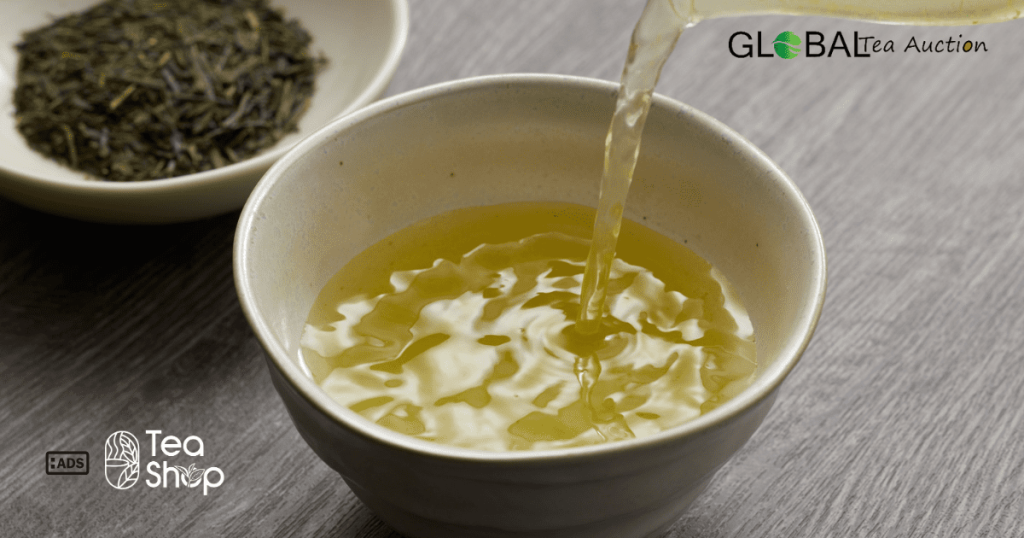
- Green Tea: Green tea is delicate and can easily become bitter if brewed with water that is too hot. The ideal water temperature is between 160-180°F (70-82°C). Steeping time should be short, typically 1-3 minutes.
- Black Tea: Black tea is more robust and requires hotter water to extract its full flavor. Use water just off the boil, around 200-212°F (93-100°C). Steep for 3-5 minutes, depending on your strength preference.
Comparing Taste Profiles
- Green Tea: The flavor profile of green tea can range from grassy, vegetal, and nutty to sweet and oceanic. Steamed Japanese green teas (like Sencha) often have a more savory, umami flavor, while pan-fired Chinese green teas (like Dragon Well) are typically milder and sweeter. Its mouthfeel is generally light and clean.
- Black Tea: Black tea offers a bolder, more full-bodied experience. Its flavors can be malty, fruity, smoky, or earthy. Indian teas like Assam are known for their strong, malty character, while Darjeeling is lighter and more floral. Chinese black teas like Keemun often have notes of stone fruit and a hint of smoke. Its mouthfeel is often described as brisk and astringent.
Side Effects and Considerations
While tea is generally safe and healthy, there are a few things to keep in mind:
- Caffeine Sensitivity: Individuals sensitive to caffeine may experience jitteriness, anxiety, or sleep disturbances. Green tea, with its lower caffeine content and presence of L-theanine, is often a better choice for these individuals.
- Iron Absorption: Tea contains tannins, which can bind to iron from plant-based foods and reduce its absorption. To mitigate this, it’s best to drink tea between meals rather than with them, especially if you are at risk of iron deficiency.
- Medication Interactions: Tea can interact with certain medications, including blood thinners and some stimulants. If you are taking prescription medication, consult with your doctor about your tea consumption.
The Final Verdict: A Brew for Every Body
So, green tea vs. black tea: which one should you choose? The U.S. lab research is clear—both offer substantial and unique health benefits. Neither is definitively “better” than the other; the ideal choice depends on your personal health goals and taste preferences.
- Choose Green Tea if: You are looking for a higher dose of EGCG, are sensitive to caffeine, or prefer a lighter, more delicate flavor. Its potential benefits for weight management and certain types of cancer prevention are also compelling.
- Choose Black Tea if: You enjoy a bolder, more robust flavor, need a stronger caffeine boost, or are focused on cardiovascular health benefits related to blood vessel function.
Ultimately, the best tea is the one you enjoy and will drink consistently. Incorporating either green or black tea into your daily routine is a simple and enjoyable way to support your overall health. The wealth of tea health research confirms that no matter which you pour, you’re making a choice that nourishes your body and mind.