Sustainable Tea Farming Practices: A Guide for Producers and Buyers
There’s something profoundly comforting about cradling a warm cup of tea in your hands. But have you ever wondered about the journey those delicate leaves took before landing in your teacup? Behind every sip lies a story of soil, sun, and—increasingly—sustainability.
The global tea industry faces a critical crossroads. With over 6 million metric tons of tea produced annually, the environmental footprint of conventional farming practices has become impossible to ignore. From soil degradation to water pollution, the hidden costs of our beloved beverage are steeping into view. Yet there’s hope brewing on the horizon: sustainable tea farming practices that promise to protect our planet while delivering exceptional quality.
Whether you’re a tea producer looking to transition your farm or a conscious buyer seeking to make ethical purchasing decisions, understanding sustainable tea cultivation is no longer optional—it’s essential. This guide will walk you through the practices transforming the tea industry, one leaf at a time.
Why Sustainable Tea Farming Matters
The conventional tea industry has long relied on practices that prioritize short-term yields over long-term viability. Chemical pesticides, synthetic fertilizers, and monoculture plantations have depleted soils, contaminated water sources, and disrupted local ecosystems. Tea-growing regions in India, China, Kenya, and Sri Lanka are witnessing firsthand the consequences of unsustainable agriculture.

But sustainability isn’t just about environmental protection—it’s about people too. Tea workers, often among the most vulnerable populations in producing countries, deserve fair wages, safe working conditions, and dignified livelihoods. Sustainable farming creates a triple win: healthier ecosystems, better products, and improved lives for farming communities.
For buyers, choosing sustainably grown tea means investing in quality that you can taste and values you can feel good about.
Core Sustainable Tea Farming Practices
Organic Cultivation Methods
Going organic is perhaps the most recognized sustainable practice, but it’s more nuanced than simply eliminating chemicals. Organic tea farming embraces nature’s wisdom:
- Composting and natural fertilization: Tea farmers create nutrient-rich compost from plant waste, animal manure, and organic matter, returning essential minerals to the soil
- Biological pest control: Introducing beneficial insects, companion planting with marigolds or lemongrass, and using neem oil creates natural pest management systems
- Weed management without herbicides: Manual weeding, mulching, and cover crops suppress unwanted plants while enriching soil structure
Think of organic farming as working with nature rather than against it. Yes, it requires more labor and patience, but the reward is tea with cleaner flavor profiles and zero chemical residues.
Water Conservation Techniques
Tea plants are thirsty—but that doesn’t mean wasteful irrigation is inevitable. Smart water management includes:
- Drip irrigation systems that deliver water directly to roots, reducing waste by up to 60%
- Rainwater harvesting through collection ponds and storage tanks
- Mulching to retain soil moisture and reduce evaporation
- Timing irrigation based on plant needs and weather patterns rather than fixed schedules
In regions like Darjeeling, where climate change has made rainfall unpredictable, these practices aren’t just sustainable—they’re survival strategies.
Biodiversity and Agroforestry
Monoculture tea plantations are ecological deserts. Sustainable farms flip this script by cultivating biodiversity:
Shade-grown tea, interspersed with native trees, creates multi-layered ecosystems that support birds, pollinators, and beneficial insects. Silver oak, grevillea, and indigenous fruit trees provide shade, prevent erosion, and create additional income streams for farmers.
One producer I know in the Nilgiris describes his farm as a “living cathedral”—where tea bushes grow beneath a canopy of trees, while butterflies and birds perform their daily choreography. His tea not only tastes exceptional but also supports over 40 species that have disappeared from neighboring conventional farms.
Soil Health Management
Healthy soil is the foundation of sustainable tea. Progressive farmers focus on:
- Minimal tillage to preserve soil structure and microbial communities
- Cover cropping with legumes that fix nitrogen naturally
- Biochar application to improve water retention and carbon sequestration
- Regular soil testing to monitor pH, nutrients, and organic matter
Remember: you’re not just growing tea—you’re cultivating an underground ecosystem of billions of microorganisms that determine your tea’s flavor, aroma, and nutritional value.
Fair Trade and Social Sustainability
Sustainability extends beyond environmental practices. Fair trade certification ensures:
- Living wages for tea workers and smallholder farmers
- Safe working conditions and protective equipment
- Community investment in education and healthcare
- Democratic decision-making in cooperatives
- Prohibition of child labor and forced labor
When producers receive fair compensation, they can afford to invest in sustainable practices rather than cutting corners to survive.
Certification and Standards to Know
Navigating the alphabet soup of certifications can feel overwhelming. Here’s what matters:
For Producers:
- Organic certifications (USDA, EU Organic, India Organic) verify chemical-free cultivation
- Rainforest Alliance focuses on environmental and social criteria
- Fair Trade ensures equitable trading partnerships
- UTZ Certification emphasizes farm management and traceability
For Buyers: Look for these labels on packaging, but also dig deeper. Some of the most sustainable farms are small operations that can’t afford expensive certification processes. Building direct relationships with producers through transparent supply chains often reveals the real story behind your tea.
How Buyers Can Support Sustainable Tea Farming
Your purchasing power is a vote for the kind of tea industry you want to see. Here’s how to cast it wisely:
- Research your sources: Learn where your tea comes from and how it’s grown. Reputable vendors proudly share their sourcing stories
- Pay fair prices: If premium tea seems cheap, someone—or something—is paying the hidden cost
- Buy seasonal and fresh: Fresh tea requires less energy-intensive storage and tastes better
- Support direct trade: Brands that work directly with farmers typically ensure better practices and prices
- Ask questions: Contact sellers about their sustainability practices. Your curiosity creates market pressure for transparency
The Business Case for Sustainability
Let’s address the elephant in the tea garden: isn’t sustainable farming more expensive?
Initially, yes. Transitioning to organic methods involves a 2-3 year conversion period with potential yield reductions. Installing water conservation systems requires upfront investment. Fair wages increase labor costs.
But here’s what the numbers don’t immediately show: sustainable farms develop resilience against climate shocks, reduce input costs over time, command premium prices, and build loyal customer bases willing to pay for quality and ethics. Multiple studies show that after five years, sustainable tea farms often match or exceed the profitability of conventional operations—while building long-term viability.
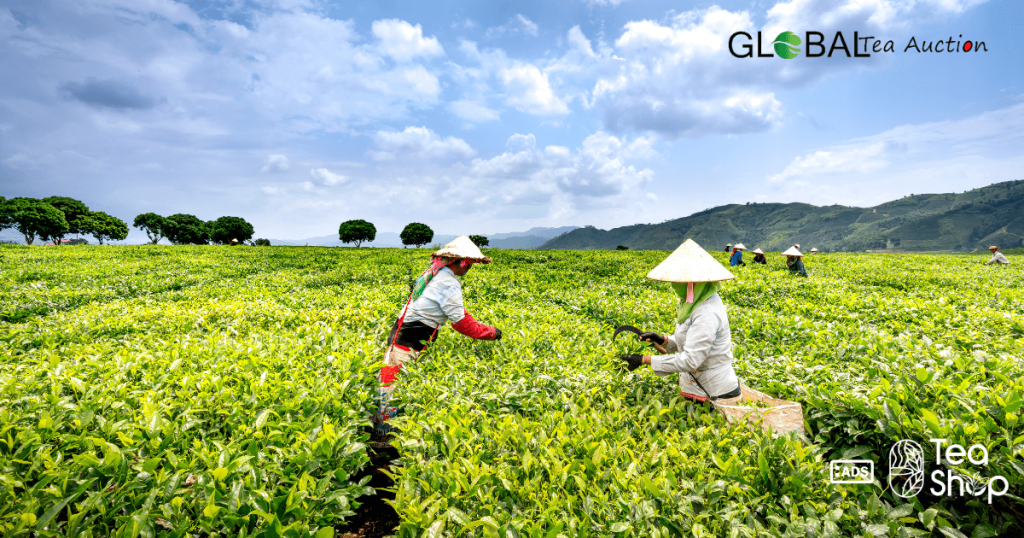
As one Sri Lankan tea producer told me: “My grandfather’s farm survived because he worked with nature. I’m returning to his wisdom, not abandoning progress—I’m finding a smarter kind of progress.”- Anrojit
Practical Steps for Producers to Transition
Ready to transform your tea farm? Start here:
Year 1: Assessment and Planning
- Conduct soil and water tests
- Map biodiversity and identify areas for improvement
- Connect with sustainable farming networks and mentors
- Begin transitioning one section of your farm as a pilot
Year 2-3: Implementation
- Eliminate synthetic inputs gradually
- Introduce composting and biological pest management
- Plant shade trees and establish cover crops
- Pursue organic certification if viable
Ongoing: Monitoring and Adaptation
- Track yields, costs, and tea quality
- Adjust practices based on observations
- Share knowledge with neighboring farms
- Celebrate wins and learn from setbacks
Remember, sustainability is a journey, not a destination. Each small step compounds into transformative change.
Conclusion: Brewing a Better Future
Sustainable tea farming isn’t a romantic notion—it’s a practical necessity for an industry facing environmental limits and changing consumer values. From organic cultivation to fair labor practices, these methods create tea that nourishes both people and planet.
For producers, sustainability offers a path to resilience, profitability, and pride in your craft. For buyers, it’s an opportunity to align your daily ritual with your values, one mindful cup at a time.
The transition won’t happen overnight, but every sustainable practice adopted, every fair-trade tea purchased, every conversation about ethical sourcing moves us closer to a tea industry that can thrive for generations.
So here’s your call to action: If you’re a producer, commit to implementing one new sustainable practice this season. If you’re a buyer, seek out one sustainably grown tea to add to your collection. Share what you learn. Start conversations. Because the future of tea—and the communities and ecosystems that depend on it—is steeping right now.
FAQs About Sustainable Tea Farming
Q: Does sustainable tea taste better than conventionally grown tea?
A: Many tea enthusiasts report that sustainably grown tea offers more complex, nuanced flavors. Healthy soil rich in organic matter and beneficial microorganisms contributes to the chemical compounds that create tea’s taste and aroma. Additionally, sustainable farms often prioritize quality over quantity, harvesting more carefully and processing more attentively. While taste is subjective, the absence of chemical residues and the vitality of well-nurtured plants typically translate to a cleaner, more vibrant cup.
Q: How much more does sustainable tea cost, and is it worth it?
A: Sustainable tea typically costs 20-50% more than conventional tea, reflecting the true cost of ethical labor and environmentally responsible practices. However, “worth” depends on your priorities. If you value environmental protection, worker welfare, and potentially healthier products, the premium makes sense. Many buyers find that they actually save money by purchasing higher-quality loose-leaf tea that can be steeped multiple times, rather than cheap single-use bags. Consider it an investment in the kind of world you want to support.
Q: Can small-scale tea farmers afford to implement sustainable practices?
A: While there are upfront costs and challenges, many sustainable practices actually reduce long-term expenses. Composting eliminates fertilizer costs, biological pest control reduces pesticide purchases, and water conservation lowers irrigation bills. Numerous organizations offer technical support, microloans, and transition assistance specifically for small-scale farmers. Additionally, cooperatives allow farmers to pool resources for certifications and equipment. The key is starting small—even converting a portion of farmland—and gradually expanding as benefits materialize.
Q: What’s the difference between organic certification and sustainable farming?
A: Organic certification focuses specifically on avoiding synthetic chemicals and GMOs, but it’s just one aspect of sustainability. A farm can be certified organic yet still practice monoculture, use excessive water, or pay unfair wages. True sustainability encompasses organic methods plus biodiversity conservation, water management, soil health, carbon footprint reduction, and social equity. Think of organic as an important component within the broader framework of sustainability rather than synonyms for the same thing.
Q: How can I verify that tea marketed as “sustainable” actually is?
A: Look for third-party certifications (Organic, Fair Trade, Rainforest Alliance) as a starting point, though they’re not foolproof. Research the brand’s transparency—do they share farm locations, farming practices, and producer relationships? Reach out directly with questions; legitimate sustainable vendors are usually enthusiastic about sharing their practices. Visit the brand’s website for detailed sourcing information. Be skeptical of vague claims like “eco-friendly” without specifics. Trustworthy companies often share photos, farmer profiles, and detailed descriptions of their sustainable practices. When possible, support direct trade relationships where you can trace your tea back to specific farms.