Why Herbal Tea Is Booming in Switzerland: Health Trends & Market Growth
Switzerland’s relationship with herbal tea is deeply rooted in its culture, but a new wave of enthusiasm is sweeping the nation. Far from being just a comforting drink for cold evenings, Swiss herbal tea has become a cornerstone of the modern wellness movement. Consumers are increasingly turning to these natural infusions as a daily ritual for health, relaxation, and proactive self-care.
This shift is not just a passing trend. It reflects a fundamental change in Swiss consumer behavior, where health is viewed holistically, and natural remedies are preferred. The demand for products that are both good for the body and the planet is at an all-time high, and herbal tea fits this description perfectly. As a result, the Swiss tea market is experiencing significant growth, driven by a population that values quality, transparency, and a connection to nature.
In this comprehensive guide, we will explore the factors driving the herbal tea boom in Switzerland. We will analyze the key health trends, present detailed market statistics, and introduce the major players shaping the industry. You will also learn about the most popular herbal blends, the regulatory landscape, and what the future holds for this thriving market.
Health Trends Driving Herbal Tea Consumption
The surge in herbal tea’s popularity in Switzerland is directly linked to several powerful Switzerland health trends. Swiss consumers are known for their proactive approach to wellness, and herbal infusions are a natural fit for this lifestyle.

A Focus on Natural and Preventive Health
Swiss culture has long valued natural remedies, with a deep respect for alpine herbs and traditional medicine. This cultural inclination is now amplified by a modern desire for preventive health. Consumers are actively seeking ways to support their immune systems, manage stress, and improve sleep without relying on pharmaceuticals. Herbal teas, with their perceived gentle and natural benefits, are an ideal solution. For example, chamomile is widely used for relaxation, peppermint for digestion, and echinacea for immune support. This makes wellness drinks Swiss a rapidly growing category.
The Rise of Mental Wellness and Stress Reduction
Modern life is stressful, and the Swiss are increasingly prioritizing mental well-being. The act of preparing and drinking tea is a ritual that encourages mindfulness and relaxation. This has made herbal infusions a popular tool for stress management. Brands are tapping into this by creating specific blends aimed at promoting calm and improving sleep, using ingredients like valerian root, lavender, and lemon balm. This trend has solidified herbal tea’s role as a key component of a balanced, low-stress lifestyle.
Demand for Clean and Functional Ingredients
Today’s consumers are highly educated about what they put into their bodies. They are looking for “clean label” products free from artificial additives, sugar, and preservatives. Herbal teas are inherently clean, often containing just one or two natural ingredients. Furthermore, the interest in functional foods—products that offer specific health benefits—has boosted the appeal of herbal teas. Consumers are choosing blends specifically for their antioxidant, anti-inflammatory, or digestive properties.
Swiss Herbal Tea Market Growth & Statistics
The Swiss tea market is not just growing; it’s thriving, with herbal infusions leading the charge. The numbers clearly illustrate a strong and sustained upward trend.
The overall tea market in Switzerland was valued at approximately CHF 250 million in 2023, with herbal and fruit teas accounting for a significant portion of sales. The herbal tea market segment, in particular, has seen consistent year-on-year growth of 3-5%, outpacing many other beverage categories.
One of the most significant drivers of this growth is the increasing organic tea demand. Organic products now represent over 30% of the herbal tea market share, a figure that is expected to continue rising as consumers prioritize sustainability and chemical-free products. This trend is visible on the shelves of major retailers like Coop and Migros, where the selection of organic herbal teas has expanded dramatically.
Here is a look at the estimated market data:
| Metric | 2022 | 2023 | Projected 2025 |
|---|---|---|---|
| Total Tea Market Value (CHF) | ~240 Million | ~250 Million | ~265 Million |
| Herbal/Fruit Tea Share (%) | 40% | 42% | 45% |
| Organic Herbal Tea Share (%) | 28% | 30% | 35% |
| Per Capita Consumption (Liters/Year) | ~25 Liters | ~27 Liters | ~30 Liters |
This data highlights the steady and robust growth within the Switzerland tea market, with herbal and organic options being the primary engines of expansion.
Key Players in the Swiss Herbal Tea Market
The Swiss herbal tea market is a dynamic mix of large domestic companies, international brands, and small artisanal producers.
Major Domestic Brands
- Ricola: While famous for its herbal cough drops, Ricola also offers a popular line of instant and bagged herbal teas made from Swiss alpine herbs. Their brand recognition and reputation for quality give them a strong foothold in the market.
- Biofarm: As a cooperative of organic farmers, Biofarm is a leading supplier of high-quality, Swiss-grown organic herbs. Their products are favored by consumers seeking local and sustainable options, and they are a key player in the organic tea demand segment.
- Schweizer: This traditional brand has been producing herbal teas for decades and is known for its classic blends and high-quality ingredients sourced from Swiss mountains.
International Brands
- Twinings: The UK-based brand has a significant presence in Swiss supermarkets, offering a wide range of traditional and innovative herbal infusions.
- Yogi Tea: This German brand is extremely popular in Switzerland, especially among health-conscious consumers. Their organic blends are inspired by Ayurvedic principles and are known for their unique flavor combinations.
Retailer Private Labels
- Migros Bio: Migros, one of Switzerland’s largest retailers, has its own successful line of organic herbal teas. These products offer good value and are highly trusted by consumers.
- Coop Naturaplan: Similarly, Coop’s Naturaplan brand is a leader in the organic market. Their extensive range of herbal teas meets the high standards of the Bio Suisse certification.
Popular Herbal Tea Varieties in Switzerland
While the market is constantly innovating, a few classic varieties remain the most popular choices among Swiss consumers.
- Chamomile (Kamille): Valued for its calming properties, chamomile is a bestseller, often consumed in the evening to promote relaxation and sleep.
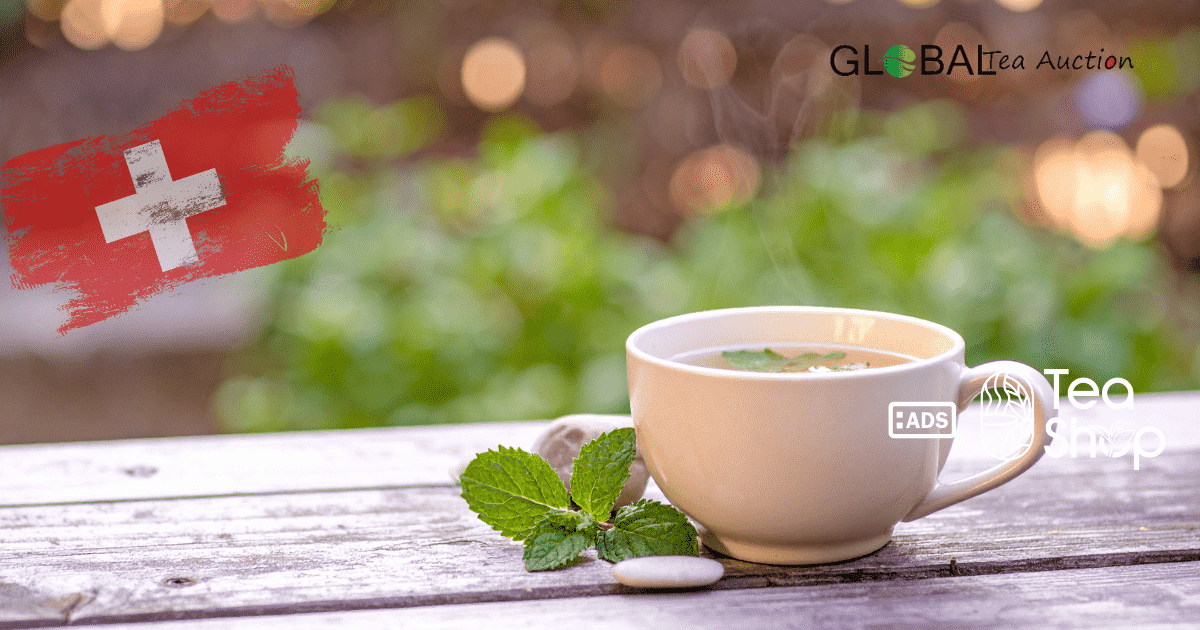
- Peppermint (Pfefferminz): Known for its refreshing taste and digestive benefits, peppermint tea is a staple in many Swiss households.
- Verveine (Eisenkraut): Lemon verbena is cherished for its citrusy aroma and soothing effects, making it a popular after-dinner drink.
- Alpine Herbs (Alpenkräuter): Blends featuring herbs grown in the Swiss Alps, such as sage, thyme, and mallow, are highly sought after for their connection to Swiss nature and tradition. These herbal blends Switzerland are unique to the region.
- Ginger and Lemon: This zesty and warming combination is a favorite during the colder months for its perceived immune-boosting properties.

The Regulatory Landscape
The Swiss herbal tea market is governed by strict regulations to ensure product safety and quality. The Federal Food Safety and Veterinary Office (FSVO) sets the standards for food products, including herbal teas.
Key regulations pertain to:
- Pesticide Residues: Switzerland has stringent limits on pesticide residues, which is one reason why organic teas are so popular.
- Labeling: All ingredients must be clearly listed, and any health claims must be substantiated and approved. For example, a tea cannot be marketed as “slimming” without scientific proof.
- Certifications: While not mandatory, certifications like Bio Suisse are highly valued. The Bio Suisse label has stricter standards than the EU organic regulation, requiring farmers to adhere to holistic sustainability practices. This certification is a powerful marketing tool in the Swiss market. Swissmedic also provides guidelines on products that may be classified as medicinal teas versus foodstuffs.
Consumer Preferences and Purchasing Habits
Swiss consumers are discerning and quality-conscious. When purchasing herbal tea, they prioritize several factors:
- Origin and Transparency: Consumers want to know where their tea comes from. Products with a clear “Swiss origin” label or those that specify the region of cultivation are highly favored.
- Organic and Fair Trade: A growing segment of the population is willing to pay a premium for products that are certified organic and fair trade. This reflects a broader commitment to environmental and social responsibility.
- Packaging: There is a clear trend towards sustainable packaging. Brands using plastic-free tea bags, compostable materials, and recyclable boxes have a competitive advantage.
- Purchasing Channels: While supermarkets remain the primary channel for tea purchases, online sales and specialty tea shops are gaining market share. Subscription models, offering curated monthly selections, are also becoming popular.
Future of the Swiss Herbal Tea Market
The future of the herbal tea market in Switzerland looks bright and full of innovation. Several key trends are expected to shape the industry in the coming years:
- Hyper-Personalization: Expect to see more brands offering customized tea blends tailored to individual health needs and taste preferences.
- Cold Brew Herbal Teas: The demand for healthy, ready-to-drink beverages is on the rise. Cold brew herbal teas, marketed as refreshing and sugar-free alternatives to soft drinks, are poised for growth.
- CBD Infusions: With the legalization of CBD in Switzerland, some brands have begun incorporating it into their herbal blends to enhance the calming and relaxing effects. This niche is expected to expand.
- Traceability Technology: The use of QR codes on packaging, allowing consumers to trace the journey of their tea from farm to cup, will likely become more common as the demand for transparency grows.
Your Guide to the Swiss Tea Market
The boom in Switzerland’s herbal tea market is a clear reflection of a society that deeply values health, nature, and quality. Driven by powerful wellness trends and a demand for clean, functional products, herbal infusions have secured their place as a daily staple for many Swiss consumers. From the enduring popularity of classic blends like chamomile and peppermint to the rise of innovative new products, the market is vibrant and full of opportunity. For brands and retailers who can meet the high standards of the Swiss consumer, the future is promising.
Frequently Asked Questions (FAQs)
1. What are the main drivers of the Swiss herbal tea market’s growth?
The main drivers are a strong focus on natural and preventive health, a growing awareness of mental wellness and stress reduction, and a high demand for clean-label, functional, and organic products.
2. Which herbal tea flavors are most popular in Switzerland?
Classic flavors like chamomile, peppermint, and verveine (lemon verbena) are perennial favorites. Additionally, blends featuring Swiss alpine herbs and immune-supporting combinations like ginger and lemon are very popular.
3. How important is the “organic” certification in the Swiss tea market?
The organic certification, particularly the Swiss-specific “Bio Suisse” label, is extremely important. Swiss consumers are willing to pay a premium for organic products due to a high value placed on health, sustainability, and quality.
4. What regulations should a company be aware of when selling herbal tea in Switzerland?
Companies must comply with regulations set by the Federal Food Safety and Veterinary Office (FSVO) concerning pesticide limits, accurate labeling, and substantiated health claims. Products classified as medicinal teas fall under Swissmedic’s jurisdiction.
5. Are there opportunities for new brands in the Swiss herbal tea market?
Yes, there are significant opportunities, especially for brands that focus on innovation, sustainability, and transparency. Niches like personalized blends, cold brew options, and products with unique functional ingredients (like CBD) have strong growth potential.
6. Where do Swiss consumers typically buy their herbal tea?
The majority of sales occur in major supermarket chains like Migros and Coop. However, online retailers, specialty tea shops, pharmacies, and health food stores (Reformhaus) are increasingly important channels.
7. What is the difference between EU Organic and Bio Suisse certifications?
Bio Suisse has stricter standards than the EU organic regulation. It requires the entire farm to be organic (not just a single crop), promotes biodiversity, and sets higher standards for social responsibility.
- Authority References:
- Federal Food Safety and Veterinary Office (FSVO) – Official information on Swiss food regulations.
- Bio Suisse – The main organization for organic agriculture in Switzerland.
- Swiss Tea & Herbal Tea Trade Association – Industry insights and standards.