Exporting Tea to the US: A Guide to FDA, Tariffs & Rules
The American tea market is booming. Valued at over $13 billion, it presents a massive opportunity for tea exporters worldwide. From traditional black and green teas to exotic herbal infusions, U.S. consumers have a growing thirst for high-quality, unique tea products. However, tapping into this lucrative market requires navigating a complex web of regulations.
Successfully exporting tea to the United States means complying with stringent rules set by multiple government agencies. The U.S. Food and Drug Administration (FDA) and U.S. Customs and Border Protection (CBP) are the primary gatekeepers. They enforce everything from food safety and labeling to tariffs and import documentation. For many exporters, these requirements can seem daunting.
This guide is designed to demystify the process. We will break down the essential steps for exporting tea to the U.S., covering critical topics like FDA regulations, the Foreign Supplier Verification Program (FSVP), tariffs, and necessary documentation. By understanding these rules, you can ensure a smooth entry for your products and build a successful tea business in one of the world’s most dynamic markets.
Understanding FDA Regulations for Tea Imports
The U.S. Food and Drug Administration (FDA) is responsible for ensuring that all food products sold in the United States, including imported tea, are safe, wholesome, and properly labeled. Compliance with FDA tea requirements is non-negotiable for any exporter looking to enter the U.S. market.
Key FDA Requirements for Tea
The FDA’s authority comes from the Federal Food, Drug, and Cosmetic Act (FD&C Act). This legislation gives the agency broad powers to regulate food products. For tea importers, this means adhering to specific standards for safety, ingredients, and labeling.
- Food Safety Standards: All food facilities that manufacture, process, pack, or hold food for consumption in the U.S. must register with the FDA. This includes foreign tea processing facilities. Registration is free and must be renewed every two years. More importantly, these facilities must implement food safety plans based on Hazard Analysis and Critical Control Points (HACCP) principles, as mandated by the Food Safety Modernization Act (FSMA).
- Ingredient and Additive Approval: Tea itself is generally recognized as safe (GRAS). However, if your tea products contain other ingredients, such as flavorings, color additives, or herbal components, you must ensure they are approved for use in the U.S. Any unapproved additive can result in your shipment being detained or refused entry. For example, certain floral or herbal ingredients popular in other countries may be considered unapproved food additives in the U.S.
- Labeling Requirements: Proper labeling is one of the most common stumbling blocks for new importers. The FDA has strict rules for what must appear on a food product’s label. Failure to comply can lead to costly detentions. Key labeling elements include:
- Statement of Identity: The common name of the food (e.g., “Black Tea,” “Herbal Infusion”).
- Net Quantity of Contents: The amount of product in the package, expressed in both metric and U.S. customary units (e.g., 100g / 3.5 oz).
- Ingredient List: All ingredients must be listed in descending order by weight. This includes all components of flavorings or blends.
- Name and Address: The name and place of business of the manufacturer, packer, or distributor.
- Nutrition Facts Panel: While plain tea is often exempt, flavored teas or those with added nutritional value (like fortified teas) require a full Nutrition Facts label.
- Allergen Labeling: If the product contains any of the nine major food allergens (milk, eggs, fish, crustacean shellfish, tree nuts, peanuts, wheat, soybeans, and sesame), it must be clearly declared.
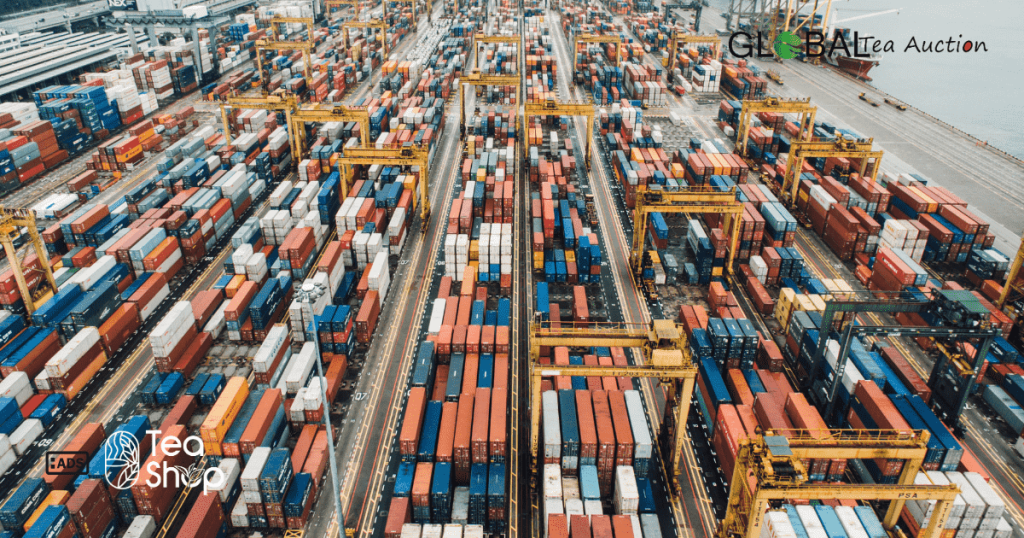
Navigating these regulations is crucial. The FDA’s website provides extensive resources on food safety and labeling to help you comply with all requirements.
The Foreign Supplier Verification Program (FSVP)
A cornerstone of the Food Safety Modernization Act (FSMA) is the Foreign Supplier Verification Program (FSVP). This rule makes U.S.-based importers responsible for verifying that their foreign suppliers are producing food, including tea, in a manner that provides the same level of public health protection as required of domestic producers.
What is FSVP and Why Does it Matter?
The FSVP rule shifts the burden of food safety from post-entry inspection to proactive prevention. As a tea exporter, this means your U.S. buyer (the importer) will require you to provide specific documentation and assurances about your food safety practices. FSVP compliance USA is a critical part of the modern import process.
The U.S. importer must develop, maintain, and follow an FSVP for each food product brought into the country. If you want to be a trusted supplier for U.S. buyers, you need to be prepared to support their FSVP compliance efforts.
Steps for Exporters to Support FSVP Compliance
To facilitate a smooth partnership with your U.S. importer, you should be ready to assist with the following FSVP steps:
- Hazard Analysis: Your importer must identify known or reasonably foreseeable hazards for each type of tea you supply. This includes biological (e.g., Salmonella, E. coli), chemical (e.g., pesticides, heavy metals), and physical (e.g., glass, metal) hazards. You should have your own hazard analysis and food safety plan to share with them.
- Supplier Evaluation: The importer will evaluate your performance and the risk posed by the tea. This evaluation will consider your food safety history, procedures, and the regulatory oversight in your country. Providing a comprehensive food safety plan and records of compliance can streamline this step.
- Supplier Verification Activities: Based on the evaluation, the importer must conduct verification activities. These can include:
- Onsite Audits: An audit of your facility to ensure you are following adequate food safety practices. This is the most common verification activity for significant hazards.
- Sampling and Testing: The importer may periodically sample and test shipments of your tea for contaminants.
- Review of Food Safety Records: You will need to provide records of your monitoring procedures, corrective actions, and food safety testing.
- Corrective Actions: If a problem arises, such as a failed audit or a contaminated shipment, you must be prepared to take swift corrective actions. The importer is required to document these actions as part of their FSVP.
For exporters, this means maintaining impeccable food safety records and being transparent with your U.S. partners. Being “FSVP-ready” is a significant competitive advantage when approaching U.S. tea buyer requirements.
Tariffs and Import Duties on Tea
Once your tea meets FDA safety and labeling standards, you must consider the financial aspect of importation: tariffs and duties. U.S. Customs and Border Protection (CBP) is responsible for assessing and collecting these fees based on the classification of your product.
How Tea Tariffs Are Calculated
The import duty on tea USA is determined by the product’s classification under the Harmonized Tariff Schedule (HTS) of the United States. The HTS is a complex system that assigns a unique code to every product imaginable.
The tea HS code USA falls under Chapter 0902. The specific code and corresponding duty rate depend on the type of tea and its packaging.
Here is a simplified breakdown of HTS codes for tea:
| Tea Type | HTS Code | General Duty Rate |
|---|---|---|
| Green tea (not fermented), <3 kg packs | 0902.10.00 | Free |
| Green tea (not fermented), >3 kg packs | 0902.20.00 | Free |
| Black tea (fermented), <3 kg packs | 0902.30.00 | Free |
| Black tea (fermented), >3 kg packs | 0902.40.00 | Free |
As the table shows, most basic black and green teas are duty-free when imported into the U.S. However, this can change if the tea is part of a blend, contains other ingredients, or is subject to specific trade agreements or sanctions. For example, flavored teas or herbal infusions may fall under different HTS codes with applicable duties.
It is essential to correctly classify your product. Misclassification can lead to penalties, delays, and unexpected costs. You can consult the official Harmonized Tariff Schedule or work with a licensed customs broker to ensure accuracy.
Potential Additional Tariffs
While the general duty rate for tea is often free, be aware of potential additional tariffs. These can arise from trade disputes or specific legislation, such as Section 301 tariffs on goods from China. These tariffs are subject to change, so always verify the current duty rates before shipping.
Import Rules and Documentation
A smooth customs clearance process depends on having all your documentation in order. CBP requires a specific set of documents to process the entry of goods into the U.S. Missing or incorrect paperwork is one of the most common reasons for shipment delays.
Essential Import Documents
When exporting tea to the U.S., you will need to provide the following documents to your freight forwarder or customs broker:
- Commercial Invoice: This document details the transaction between you (the seller) and the importer (the buyer). It must include a detailed description of the goods, quantities, price per unit, total value, and the HTS code.
- Packing List: This list itemizes the contents of each package, including weights, dimensions, and markings. It helps CBP verify the contents of the shipment without having to physically inspect every box.
- Bill of Lading (B/L) or Air Waybill (AWB): This is the contract between the owner of the goods and the carrier. It serves as a receipt for the cargo and contains details about the shipment’s journey.
- Arrival Notice: Provided by the carrier to the consignee (the U.S. importer) to inform them of the shipment’s arrival.
In addition to these standard documents, food imports require an FDA Prior Notice submission. This must be filed electronically before the shipment arrives at a U.S. port. It gives the FDA advance information on the food shipment, allowing them to target inspections more effectively. Your customs broker or importer typically handles this filing.
The Customs Clearance Process
Here is a simplified overview of what happens when your tea shipment arrives in the U.S.:
- Entry Filing: The importer of record or their customs broker files entry documents with CBP.
- CBP & FDA Review: CBP reviews the paperwork for completeness and accuracy. The FDA reviews the Prior Notice and determines if an examination is necessary.
- Inspection/Examination: Your shipment may be selected for an “FDA exam.” This can range from a simple document review to a physical sampling of the product for laboratory analysis.
- Duty Payment: The importer pays any applicable duties and taxes.
- Release: If all requirements are met and no issues are found, CBP releases the shipment. The tea can then be delivered to the importer.
Understanding the full scope of CBP food import rules and preparing your documentation meticulously is the best way to avoid costly delays.
Best Practices for Successful Tea Exports
Beyond regulatory compliance, several best practices can help you build a thriving tea export business in the United States.
- Find Reliable U.S. Partners: Work with experienced importers and licensed customs brokers. Their expertise in navigating U.S. regulations is invaluable. A good partner will guide you through the complexities and help you avoid common pitfalls.
- Ensure Product Quality and Consistency: U.S. consumers expect high-quality products. Implement strong quality control measures at your production facility. This includes sourcing high-grade tea leaves and ensuring consistency from batch to batch. Consider obtaining certifications like USDA Organic, Fair Trade, or Rainforest Alliance to appeal to conscious consumers.
- Invest in Compliant Packaging: Your packaging must not only be attractive but also fully compliant with FDA labeling rules. Ensure that all text is in English and that your net weight declarations are in the correct format. The packaging must also be durable enough to protect the tea during transit.
- Stay Informed: U.S. tea import regulations are not static. The FDA, CBP, and USDA regularly update their rules. Subscribe to agency newsletters, work with knowledgeable partners, and regularly review official government websites to stay current.
Your Path to the U.S. Tea Market
Exporting tea to the United States is a journey that requires careful planning, strict adherence to regulations, and a commitment to quality. By understanding and preparing for FDA requirements, the FSVP program, customs tariffs, and documentation rules, you can position your business for success. While the process is detailed, the reward—access to a large and enthusiastic market of tea drinkers—is well worth the effort. For tailored guidance, always consult with a customs broker or trade consultant who can provide advice specific to your products and business goals.
Frequently Asked Questions (FAQs)
1. Do I need an FDA registration to export tea to the USA?
Yes, the facility that manufactures, processes, packs, or holds the tea must be registered with the FDA. This registration is free and must be renewed every two years.
2. What is the most common reason for tea shipments being detained by the FDA?
Improper labeling is a very common reason for detention. This includes missing information (like net weight or an ingredient list), incorrect formatting, or making unapproved health claims on the packaging.
3. Is all tea duty-free when imported into the U.S.?
Most unflavored black and green teas are duty-free. However, flavored teas, herbal infusions, or teas containing other dutiable ingredients may be subject to tariffs. Always verify the correct HTS code for your specific product.
4. Who is responsible for FSVP compliance, the exporter or the importer?
The U.S.-based importer is legally responsible for FSVP compliance. However, as the foreign supplier, you must provide the necessary documentation and proof of your food safety practices to your U.S. importer.
5. Can I use my country’s organic certification to label my tea as “organic” in the U.S.?
Only if your country has an organic equivalency arrangement with the United States. The USDA maintains a list of these countries. If no such agreement exists, you must obtain a USDA Organic certification to market your product as organic in the U.S.
6. What happens if my tea fails an FDA inspection?
If the FDA finds an issue, they will issue a Notice of FDA Action. Depending on the violation, the shipment may be detained until the issue is resolved (e.g., relabeling), or it may be refused entry. Refused goods must be either exported out of the U.S. or destroyed.
7. Where can I find the official regulations for importing tea?
The primary sources are the official websites for the U.S. Food and Drug Administration (FDA), U.S. Customs and Border Protection (CBP), and the U.S. Department of Agriculture (USDA).
External Resources
- FDA – Food Labeling & Nutrition
- CBP – Basic Importing and Exporting
- FDA – Foreign Supplier Verification Programs (FSVP) for Importers of Food for Humans and Animals
Disclaimer: This blog post is for informational purposes only and does not constitute legal or professional advice. Regulations are subject to change, and exporters should verify the latest requirements with the FDA and CBP. Please consult with a qualified legal or trade professional for advice tailored to your specific situation. Global Tea Auction is not responsible for any actions taken based on the information provided in this blog post.