A Beginner’s Guide to Tea Tasting in Switzerland
Switzerland, a country celebrated for its majestic Alps, pristine lakes, and world-class chocolate, also offers a rich and evolving tea culture. For many, the Swiss experience is synonymous with decadent hot chocolate or robust coffee, yet a quiet revolution is brewing. Tea tasting in Switzerland is emerging as a refined practice, blending local traditions with global flavors. This guide is your starting point, an invitation to explore the nuanced world of tea against a stunning Swiss backdrop.
The Swiss appreciation for quality, precision, and natural ingredients provides the perfect foundation for a deep dive into tea. From the bustling streets of Zurich to serene Alpine villages, a growing number of artisanal tea rooms and dedicated shops are showcasing the complexity of this ancient beverage. This is more than just sipping a warm drink; it’s an immersive sensory experience.
This comprehensive tea beginner guide will walk you through everything you need to know to start your journey. You’ll learn to distinguish between different tea types, identify essential tasting tools, and master the art of discerning subtle flavors and aromas. We’ll explore iconic Swiss tea rooms, discover perfect pairings with local cuisine, and touch on the wellness traditions associated with tea in Switzerland. By the end, you’ll be equipped to host your own tasting or confidently order a cup at the finest Swiss establishments.
Understanding Tea Types
Before you can appreciate the subtleties of tea, it’s crucial to understand the main categories. All true teas—black, green, white, oolong, and pu-erh—originate from the same plant: Camellia sinensis. The differences in color, flavor, and aroma come from the level of oxidation the leaves undergo after harvesting. Herbal infusions, while popular, are technically “tisanes” as they do not come from this plant.
Black Tea
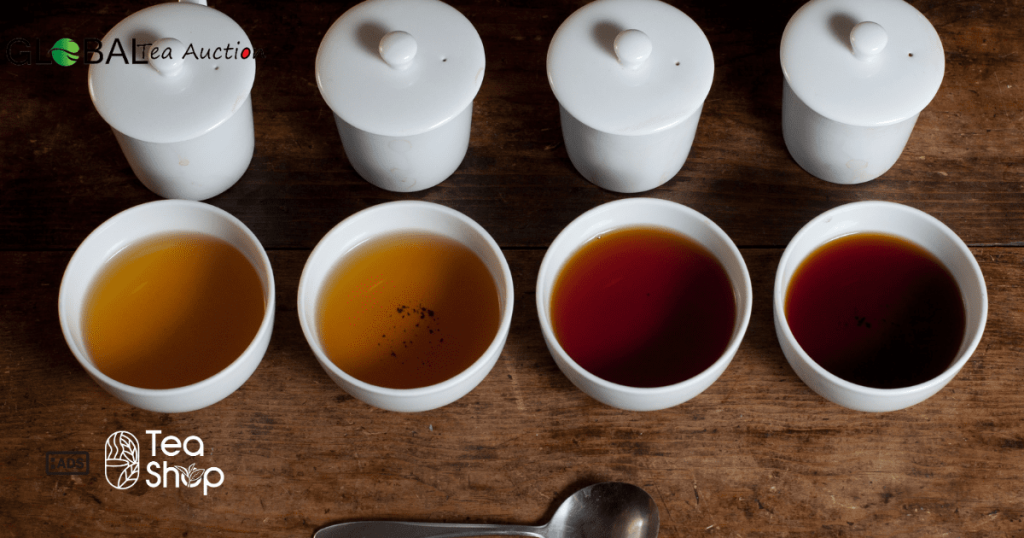
Black tea is fully oxidized, which gives it a dark color and a robust, full-bodied flavor. The leaves are withered, rolled, oxidized, and then dried. This process develops deep, malty, and sometimes fruity or spicy notes.
- Flavor Profile: Strong, malty, tannic, with hints of fruit, smoke, or spice.
- Caffeine Level: High (40–70 mg per cup).
- Popular Varieties: Assam, Darjeeling, Ceylon, Earl Grey.
Green Tea
Green tea leaves are heated shortly after harvesting to prevent oxidation. This preserves their green color and fresh, vegetal characteristics. The heating method—steaming in Japan or pan-firing in China—significantly impacts the final flavor.
- Flavor Profile: Grassy, vegetal, marine, nutty, or sweet.
- Caffeine Level: Moderate (20–45 mg per cup).
- Popular Varieties: Sencha, Matcha, Gunpowder, Bancha.
White Tea
White tea is the least processed of all teas. It is made from young leaves and unopened buds of the Camellia sinensis plant, which are simply withered and dried. This minimal processing results in a very delicate and subtle flavor profile.
- Flavor Profile: Light, delicate, sweet, with floral and fruity undertones.
- Caffeine Level: Low (15–30 mg per cup).
- Popular Varieties: Silver Needle (Bai Hao Yin Zhen), White Peony (Bai Mu Dan).
Herbal Tea (Tisanes)
Herbal teas are not true teas but infusions made from various herbs, spices, fruits, and flowers. They are naturally caffeine-free and are often consumed for their soothing properties and diverse flavors. Switzerland, with its abundant Alpine flora, has a strong tradition of herbal tisanes.
- Flavor Profile: Varies widely, from minty and floral to fruity and spicy.
- Caffeine Level: None.
- Popular Varieties: Chamomile, Peppermint, Rooibos, Verbena (Verveine).
Essential Tools for Tea Tasting
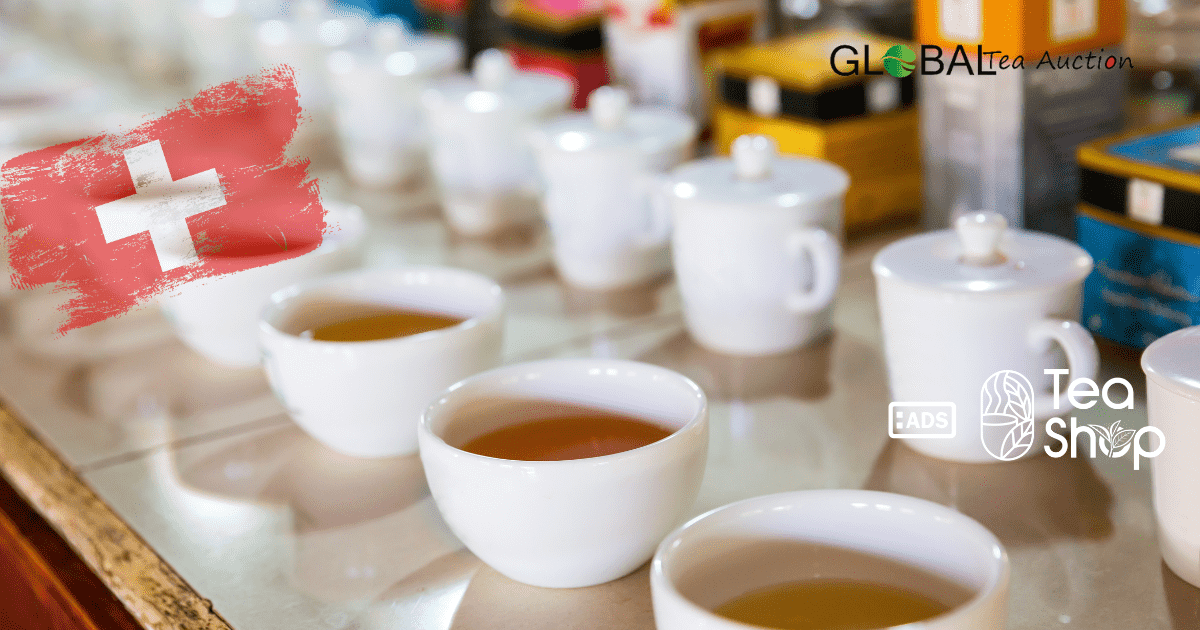
While you can enjoy tea with just a mug and hot water, a few specific tasting tools Swiss enthusiasts use can elevate the experience. Professional tasters use standardized sets to ensure consistency, but beginners can start with a few key items.
The Tasting Set
A professional tea tasting set, often called a cupping set, typically includes:
- A Lidded Brewing Cup: This is where the tea leaves are infused. The lid traps the aroma, which is a critical part of the tasting process.
- A Tasting Bowl: The brewed tea is decanted into a wide, shallow bowl. Its white interior allows for a clear assessment of the liquor’s color and clarity.
- A Tasting Spoon: A deep, ceramic spoon is used to slurp the tea. Slurping aerates the liquid, spraying it across the palate to engage all taste receptors.
For home tasting, you can improvise with a small teapot or gaiwan, a white ceramic bowl, and a soup spoon.
Other Important Tools
- Kettle with Temperature Control: Different teas require different water temperatures for optimal brewing. A variable-temperature kettle is one of the best investments a tea lover can make.
- Digital Scale: Precision is key. A scale that measures in tenths of a gram ensures you use the correct leaf-to-water ratio every time.
- Timer: To avoid over-steeping (which causes bitterness), use a timer to track infusion times accurately.
Brewing Temperature & Time Guide
| Tea Type | Water Temperature | Steeping Time |
| White Tea | 75–80°C (167–176°F) | 2–3 minutes |
| Green Tea | 80–85°C (176–185°F) | 1–3 minutes |
| Oolong Tea | 85–95°C (185–203°F) | 1–5 minutes |
| Black Tea | 95–100°C (203–212°F) | 3–5 minutes |
| Herbal Tea | 100°C (212°F) | 5–7 minutes |
Exploring Swiss Tea Rooms and Shops
Switzerland’s landscape is dotted with charming and sophisticated Swiss tea rooms and chocolatiers that offer exceptional tea experiences. These establishments provide a perfect setting to practice your tasting skills.
- Confiserie Sprüngli (Zurich): A legendary institution, Sprüngli is famous for its Luxemburgerli macarons and fine chocolates. Their café offers an elegant setting for a classic afternoon tea, pairing exquisite pastries with a curated selection of high-quality teas.
- Tearoom Engelberg: Nestled in the heart of the Alps, this traditional tea room specializes in herbal infusions made from locally sourced Alpine plants. It offers a cozy, authentic Swiss experience.
- Läderach Chocolatier (various locations): While primarily a chocolatier, Läderach understands the art of pairing. Many of their locations host sessions where you can explore how different teas complement their fresh, artisanal chocolates.
- Chocolaterie Stettler (Geneva): This historic chocolatier provides a warm, inviting atmosphere to enjoy handmade chocolates alongside a cup of artisanal tea. It’s a perfect spot to appreciate the synergy between two of Switzerland’s favorite treats.
- Bachmann Confiserie (Lucerne): More than just a shop, Bachmann is a destination for food lovers. They often host tea tasting events and workshops, making it an excellent place for beginners to learn from experts.
Step-by-Step Tea Tasting Guide
Tasting tea is a multi-sensory process. It involves observing the leaves, smelling the aroma, and finally, tasting the liquor. Follow these steps to conduct a professional-style tasting.
Step 1: Examine the Dry Leaves
Before brewing, take a moment to look at the dry leaves.
- Appearance: Are they whole, broken, or powdered? Note their shape—are they twisted, rolled into pellets, or flat?
- Color: Observe the color. Is it a uniform dark brown, a vibrant green, or a mix of silver and green?
- Aroma: Inhale the scent of the dry leaves. They might smell grassy, floral, or earthy.
Step 2: Brew the Tea
Use your temperature-controlled kettle and scale for precision. Place the leaves in your brewing vessel, add hot water, and start your timer. Following the recommended parameters for your specific tea is crucial.
Step 3: Evaluate the Aroma
Once the tea is brewed, lift the lid of your brewing cup and inhale deeply. This is where the most volatile aromatic compounds are released. An aroma wheel can be a helpful tool here. It categorizes scents into families like “floral,” “fruity,” “vegetal,” and “spicy,” helping you pinpoint what you’re smelling. Does it remind you of freshly cut grass, blooming jasmine, or roasted nuts?
Step 4: Observe the Liquor
Pour the brewed tea into your tasting bowl.
- Color: Hold the bowl against a white background. Describe the color. Is it a pale straw yellow, a rich amber, or a deep ruby red?
- Clarity: Is the liquid clear and brilliant, or is it cloudy? Cloudiness can sometimes indicate lower quality or improper brewing.
Step 5: Taste the Tea
This is the main event. Take a spoonful of tea and slurp it loudly. This action sprays the tea across your entire palate, engaging all your taste buds and allowing aromatic compounds to travel to your olfactory receptors. As you taste, consider the following:
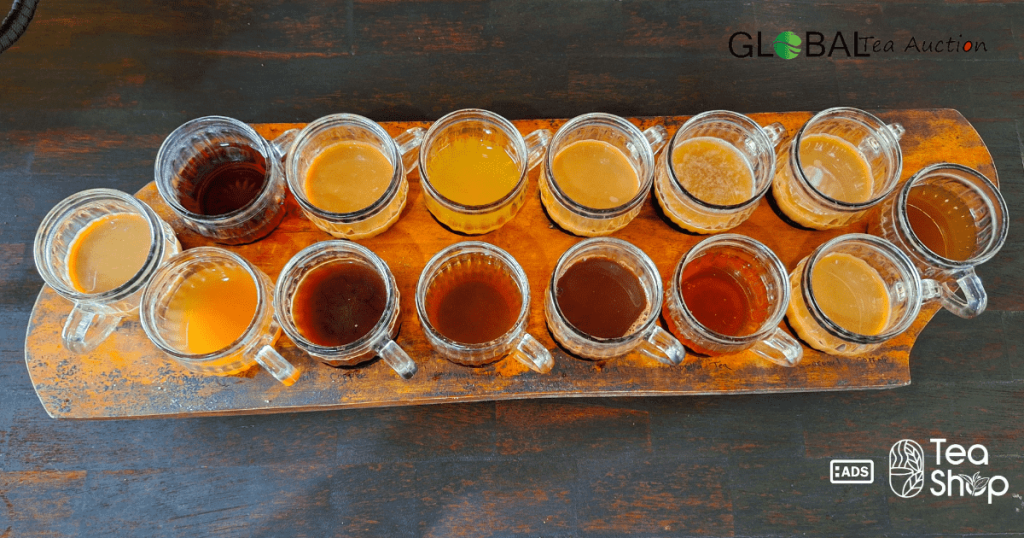
- Flavor: What are the primary flavor notes tea presents? Use the aroma wheel again, as taste and smell are deeply connected. You might detect citrus, honey, malt, or seaweed.
- Body: How does the tea feel in your mouth? Is it light and thin like water, or is it full, thick, and creamy?
- Astringency: This is the drying, puckering sensation often found in black or green teas. It’s caused by tannins. A little astringency can be pleasant, but too much can be harsh.
- Finish: After you swallow, what flavors linger? This is the “aftertaste” or finish. A high-quality tea will have a long, pleasant, and complex finish.
Step 6: Examine the Wet Leaves
Finally, look at the infused leaves. They have now unfurled and revealed their true character. Are they whole and uniform, or are they broken fragments? This gives you another clue about the tea’s quality and craftsmanship.
Pairing Tea with Swiss Cuisine
Tea and Swiss cuisine is a match made in heaven. The clean, nuanced flavors of tea can cut through the richness of cheese or complement the sweetness of chocolate and pastries.
Tea and Swiss Cheese
- Gruyère: The nutty, slightly sweet flavor of this famous Swiss cheese pairs beautifully with a robust black tea like Assam or a toasty oolong. The tea’s tannins help cleanse the palate of the cheese’s richness.
- Emmentaler: A lighter green tea, such as a Japanese Sencha, complements the mild, slightly fruity notes of Emmentaler without overpowering it.
Tea and Swiss Chocolate
- Lindt Chocolate (Dark): The intense, bitter notes of high-quality dark chocolate are balanced by a smoky black tea like Lapsang Souchong or a rich Pu-erh.
- Swiss Chocolate Truffles: The creamy ganache filling of a truffle pairs wonderfully with a floral Darjeeling or a fragrant Earl Grey. The tea’s bright notes lift the richness of the chocolate.
Tea and Swiss Pastries
- Basler Läckerli: This traditional spiced biscuit from Basel, made with honey, nuts, and kirsch, is a perfect companion for a spicy Chai or a bold Ceylon black tea.
- Zuger Kirschtorte: This famous cherry cake from Zug is light yet flavorful. A delicate white tea or a light, floral oolong will complement its almond meringue and kirsch-infused sponge layers without competing with them.
Tea and Wellness: Benefits and Traditions in Switzerland
In Switzerland, tea is often associated with wellness and natural remedies. The tradition of collecting Alpine herbs for tisanes is centuries old. Many Swiss turn to herbal infusions for everything from aiding digestion to promoting restful sleep.
- Verbena (Verveine): Known for its calming properties and citrusy flavor.
- Chamomile: A classic remedy for relaxation and sleep.
- Linden Flower: Used to soothe colds and flu symptoms.
The act of brewing and sipping tea is itself a mindful ritual. It encourages a moment of pause and reflection, a valuable practice in today’s busy world. This aligns perfectly with the Swiss value of a balanced, healthy lifestyle.
Tea Events and Festivals in Switzerland
As interest in specialty tea grows, so does the number of events dedicated to it. Keep an eye out for local workshops and festivals.
- Tea Tasting Workshops: Many tea shops, like Bachmann in Lucerne, offer introductory courses. These are fantastic opportunities for hands-on learning.
- Food Festivals: Events like the Zurich Food Festival often feature vendors and experts specializing in tea and food pairings.
- Online Communities: Joining Swiss tea enthusiast groups on social media can provide information on informal meetups and tastings.
Your Swiss Tea Journey Begins
Swiss Tea Tasting is an adventure for the senses. It offers a new way to connect with the country’s culture, landscape, and culinary traditions. By starting with the basics—understanding tea types, gathering a few simple tools, and practicing a mindful tasting method—you can unlock a world of complex flavors and aromas.
Don’t be afraid to experiment. Your palate is unique, and the joy of tea is in the discovery. Visit a local tea room, try pairing a new tea with your favorite Swiss chocolate, and take a moment to savor the experience. Your journey into the wonderful world of tea in Switzerland has just begun.
Frequently Asked Questions (FAQs)
1. Where can I buy high-quality tea in Switzerland?
You can find excellent tea at specialty shops in major cities, such as La Tisanerie in Geneva or Teehaus Schwarzenbach in Zurich. Many chocolatiers like Läderach and Sprüngli also carry curated tea selections. Online retailers are another great option for a wider variety.
2. What is a “gaiwan” and do I need one for tea tasting?
A gaiwan is a traditional Chinese lidded bowl used for infusing and drinking tea. While not essential for beginners, it is a versatile tool that allows for great control over brewing and is excellent for tasting oolong and green teas.
3. How can I learn to identify different flavor notes in tea?
Practice is key. Start by using an aroma wheel to give you a vocabulary. Taste different teas side-by-side to compare them. Focus on one sense at a time—first smell, then taste. Over time, your palate will become more refined.
4. Is tap water in Switzerland good for brewing tea?
Switzerland is known for its high-quality tap water. However, its hardness can vary by region. Very hard water can make tea taste flat. If your water is hard, using a filter can improve the flavor of your brew.
5. Are there any Swiss tea brands I should look for?
Yes, there are several Swiss brands that focus on high-quality and organic teas. Look for brands that specialize in Alpine herbal infusions for a truly local experience. Many small, local producers sell their blends at farmers’ markets.
6. How much caffeine is in a cup of tea?
Caffeine content varies significantly by tea type, how it was processed, and how it was brewed. Generally, black tea has the most (40–70 mg), followed by oolong, green tea (20–45 mg), and white tea (15–30 mg). Herbal tisanes are caffeine-free.
7. Can I re-steep my tea leaves?
Absolutely! High-quality whole-leaf teas (especially oolongs and green teas) are designed to be infused multiple times. Each infusion will reveal slightly different flavor notes. Just be sure to increase the steeping time with each subsequent infusion.
- Authority References:
- Tea Association of the USA (https://www.teausa.com/)
- International Tea Committee (https://www.inttea.com/)
- Swiss Federal Office for Agriculture (FOAG) – Information on Swiss specialty products (https://www.blw.admin.ch/)