
A Journey in a Teacup: How Switzerland Imports Tea from Asia
Switzerland’s love for tea is a quiet but deeply rooted tradition. While famous for its chocolate and cheese, the nation’s appreciation for a well-brewed cup has created a thriving market, almost entirely dependent on imports. The Swiss consume approximately 2,000 tons of tea annually, translating to about 235 grams per person. With no commercial tea production of its own, Switzerland turns to the world’s tea gardens, with a significant focus on Asia, the historical heartland of tea cultivation.
This reliance on foreign tea gardens presents a complex logistical puzzle. The journey from a remote hillside in Darjeeling or a meticulously tended field in Japan to a cozy café in Zurich is a testament to a sophisticated global supply chain. This process involves navigating intricate trade regulations, ensuring impeccable quality control, and addressing growing consumer demands for sustainability.
This guide explores the complete journey of Asian tea supply to Switzerland. We will examine the key import regions, dissect the supply chain, and discuss the significant challenges and opportunities that define the Swiss tea market. For businesses aiming to enter this market or consumers curious about their favorite brew, understanding these dynamics is essential. We will uncover how Swiss importers manage import logistics CH to bring the finest teas from Asian suppliers to the discerning Swiss consumer, all while adapting to the latest industry trends.
A Brief History of Tea in Switzerland
Tea’s arrival in Switzerland can be traced back to the 17th century, introduced by physicians and apothecaries who praised its medicinal properties. Initially, it was a luxury item, accessible only to the wealthy elite and consumed in exclusive salons. However, as trade routes expanded and the British influence grew across Europe, tea gradually became more accessible to the general public.
By the 19th century, tearooms started appearing in major Swiss cities like Geneva and Zurich, offering a sophisticated social experience. While coffee remained the dominant hot beverage, tea carved out a niche as a symbol of elegance and wellness. The establishment of dedicated tea importers in the early 20th century solidified its place in Swiss culture, leading to a steady increase in consumption and a demand for a wider variety of teas from around the world.
Key Asian Regions Supplying Switzerland’s Tea
The majority of Swiss tea imports originate from Asia, where diverse climates and rich traditions produce an unparalleled variety of teas. Each country offers unique flavors and characteristics that appeal to the sophisticated Swiss palate.
India: The Black Tea Powerhouse
India is a cornerstone of the Swiss tea market, renowned for its classic black teas.
- Darjeeling: Known as the “Champagne of teas,” Darjeeling teas from the Himalayan foothills are prized for their delicate, muscatel flavor. Swiss importers often engage in direct trade to secure the finest first and second flushes.
- Assam: This region produces robust, malty black teas that are a staple in many breakfast blends popular in Switzerland.
- Nilgiri: Teas from the “Blue Mountains” of Southern India offer fragrant and floral notes, providing a lighter alternative to Assam.
China: The Cradle of Tea
As the birthplace of tea, China supplies Switzerland with a vast array of tea types, from ancient traditions to modern innovations.
- Green Tea: Varieties like Longjing (Dragon Well) and Biluochun are highly sought after for their fresh, vegetal flavors and health benefits.
- Oolong Tea: Teas like Tie Guan Yin (Iron Goddess of Mercy) from Fujian province offer complex, floral aromas that appeal to connoisseurs.
- Pu-erh Tea: This fermented tea from Yunnan is gaining popularity among Swiss health-conscious consumers for its earthy profile and purported digestive benefits.
Japan: The Art of Green Tea
Japanese teas are synonymous with quality and meticulous production methods.
- Matcha: The vibrant, powdered green tea is a major trend in Switzerland, used not only for traditional ceremonies but also in lattes, smoothies, and culinary creations.
- Sencha: As Japan’s most popular tea, Sencha is appreciated for its refreshing, slightly bitter taste.
- Gyokuro: This high-grade, shade-grown tea offers a sweet, umami-rich flavor that commands a premium price in the Swiss market.
Bangladesh: An Emerging Force
While a smaller player, Bangladesh is gaining recognition for its quality black teas. The country’s tea gardens, primarily in the Sylhet region, produce CTC (Crush, Tear, Curl) teas that are often used in blends. Some Swiss importers are exploring direct trade relationships to source specialty orthodox teas from the region, promoting sustainable tea sourcing.
From Leaf to Cup: The Swiss Tea Supply Chain
The process of shipping tea to Switzerland is a multi-stage journey that demands precision and expertise to preserve the tea’s quality and freshness.
- Harvesting and Processing: The journey begins in the tea gardens of Asia, where leaves are hand-plucked and processed according to traditional methods specific to each tea type (e.g., withering, rolling, oxidation, drying).
- Export and Consolidation: Processed tea is packed into large, airtight bags or chests and transported to a central auction house or directly to an exporter’s warehouse. Here, lots are consolidated for shipment.
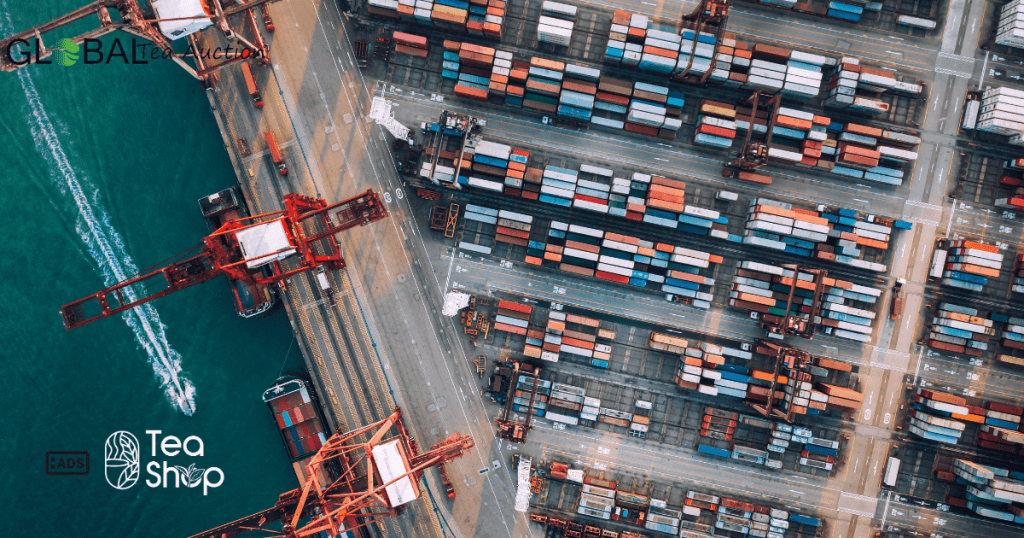
- International Logistics: Most tea is shipped via sea freight in climate-controlled containers to prevent moisture and temperature fluctuations. For high-value or highly perishable teas like certain first-flush Darjeelings or fresh Matcha, air freight is used despite the higher cost.
- Customs Clearance: Upon arrival at a European port (like Rotterdam or Hamburg) or a Swiss airport (like Zurich), the shipment must clear customs. This is a critical step where importers must navigate customs challenges Swiss. As a logistics coordinator at a leading Swiss tea importer notes, “Import logistics CH requires careful planning and execution to maintain freshness and meet consumer expectations.”
- Warehousing and Quality Control: Once cleared, the tea is transported to a Swiss warehouse. Importers conduct rigorous quality control tests for pesticides, heavy metals, and flavor profiles to ensure compliance with strict Swiss food safety standards.
- Blending and Packaging: Many teas are blended to create specific flavor profiles. The final product is then packaged for retail or wholesale, often in materials designed to protect it from light, air, and moisture.
- Distribution: The packaged tea is distributed to retailers, hotels, restaurants, and directly to consumers via e-commerce platforms.
Navigating the Hurdles: Challenges in Tea Import
Importing tea into Switzerland is not without its difficulties. Importers face a complex web of regulations, quality demands, and sustainability concerns.
Trade Regulations and Tariffs
Switzerland, while not an EU member, has bilateral agreements that influence its trade policies. Tea importers must comply with:
- Swiss Food Safety Laws: The Federal Food Safety and Veterinary Office (FSVO) sets stringent limits for pesticide residues and contaminants, which are often stricter than in other countries.
- Labeling Requirements: All packaging must accurately declare the origin, ingredients, and any organic or Fair Trade certifications.
- Tariffs and Duties: While many teas from developing countries benefit from preferential tariffs under the Generalized System of Preferences (GSP), navigating the paperwork is complex. A supply chain manager emphasizes, “Navigating Swiss customs challenges Swiss requires expertise. Detailed documentation is key.“
| Challenge | Description | Mitigation Strategy |
|---|---|---|
| Strict Pesticide Limits | Switzerland’s Maximum Residue Levels (MRLs) for pesticides are among the world’s most rigorous. | Work directly with certified organic farms; conduct third-party lab testing before shipment. |
| Complex Documentation | Customs requires detailed certificates of origin, phytosanitary certificates, and quality analysis reports. | Employ a dedicated customs broker; use digital platforms to manage documentation. |
| Tariff Classification | Incorrectly classifying tea (e.g., black vs. green vs. herbal) can lead to financial penalties. | Maintain an up-to-date understanding of the Swiss Harmonized Tariff Schedule. |
Quality Control and Authenticity
Maintaining the freshness and authenticity of tea is a primary concern.
- Maintaining Freshness: The long transit time from Asia can degrade the quality of delicate teas. Climate-controlled shipping and nitrogen-flushed packaging are essential.
- Preventing Contamination: Tea is highly hygroscopic (it absorbs moisture and odors), so it must be stored away from other goods like spices.
- Ensuring Authenticity: With the rise of counterfeit high-value teas, importers use methods like organoleptic testing (sensory evaluation) and, increasingly, blockchain technology to verify provenance. A Quality Control Manager at a Swiss tea company states, “We’re seeing a shift toward shipping tea to Switzerland that are not only high-quality but also ethically produced, aligning with Swiss values.”
Sustainability and Ethical Sourcing
Swiss consumers are highly conscious of the environmental and social impact of their purchases. This puts pressure on importers to prioritize sustainability.
- Fair Labor Practices: Ensuring that tea plantation workers receive fair wages and work in safe conditions is crucial. Certifications like Fair Trade are highly valued.
- Environmental Impact: Importers are encouraged to work with gardens that practice regenerative agriculture, conserve water, and protect biodiversity.
- Carbon Footprint: There is a growing focus on reducing emissions from shipping and logistics. Some companies invest in carbon offsetting programs or opt for more sustainable transportation methods. The director of a prominent Swiss importer states, “Sustainability is no longer a luxury, but a necessity in the Swiss tea market. Consumers demand transparency.“
Case Studies: Swiss Importers Leading the Way
Several Swiss companies have built their reputations on successfully navigating these challenges and delivering exceptional tea.
Länggass-Tee, Bern
A pioneer in the specialty tea scene, Länggass-Tee has been importing high-quality teas since 1983. They are known for their direct trade relationships with small-scale farmers in China, Japan, and India. By bypassing intermediaries, they ensure both higher quality for consumers and better prices for producers. Their strategy focuses on education, hosting tastings and workshops to build a community of knowledgeable tea lovers.

Sirocco, Schmerikon
Sirocco has carved out a niche in the luxury hotel and restaurant sector. Their focus is on single-origin, organic-certified teas presented in hand-stitched tea bags. Their success lies in impeccable branding and a commitment to sustainable tea sourcing. They provide full transparency on the origin of their teas, a key selling point for their high-end clientele.
The Future of Swiss Tea Imports
The Swiss tea market is dynamic, with several emerging trends shaping its future.
- Demand for Specialty Teas: The market is moving beyond standard black tea bags. Consumers are seeking unique, artisanal teas with compelling stories. As one CEO of a Swiss tea brand put it, “The demand for Asian suppliers specialty teas is growing exponentially, pushing us to explore new sustainable tea sourcing partnerships.”
- Health and Wellness Focus: Functional teas, such as herbal infusions with calming properties or green teas rich in antioxidants, are gaining traction.
- Digital Transformation: Online retail is booming. E-commerce platforms allow importers to reach a wider audience and offer a greater variety of products.
- Transparency Through Technology: The adoption of blockchain is set to revolutionize the industry by providing an immutable record of a tea’s journey from farm to cup, guaranteeing authenticity and traceability.
- Eco-Friendly Practices: From biodegradable packaging to carbon-neutral shipping, sustainability will become even more integral to import strategies.
Your Partner in the Tea Trade
The journey of tea from Asia to Switzerland is a complex but rewarding venture. It requires a deep understanding of market trends, logistical precision, and an unwavering commitment to quality and sustainability. For Swiss importers, success lies in building strong relationships with Asian suppliers, navigating the intricacies of import logistics CH, and meeting the high expectations of the Swiss consumer. The future of the industry belongs to those who can master this delicate balance, ensuring that every cup of tea tells a story of quality, ethics, and tradition.
If you are looking to navigate the complexities of shipping tea to Switzerland, our team of experts can provide the guidance and support you need. Contact us to learn how we can help you build a resilient and sustainable tea supply chain.
Frequently Asked Questions (FAQs)
What are the main legal requirements for importing tea into Switzerland?
Importers must comply with the Swiss Foodstuff Act (LGV) and the Ordinance on Foreign Substances and Ingredients (FIV). This includes adhering to strict Maximum Residue Levels (MRLs) for pesticides, providing accurate labeling (origin, ingredients, net weight), and possessing a valid certificate of origin and phytosanitary certificate for each shipment.
How do Swiss importers verify the quality of tea from Asian suppliers?
Quality verification is a multi-step process. It often begins with “pre-shipment samples” that are tested before the bulk order is confirmed. Upon arrival in Switzerland, importers conduct another round of quality control, including sensory evaluation (organoleptic testing) by expert tea tasters and laboratory analysis for contaminants like pesticides and heavy metals.
Which tea certifications are most important in the Swiss market?
Organic certification (like the EU organic logo or Bio Suisse bud) is highly valued, as Swiss consumers prioritize natural products. Fair Trade certification is also crucial, as it assures consumers that the tea was produced under ethical labor conditions. Other certifications like Rainforest Alliance are also gaining recognition.
What is the difference between shipping tea by sea versus air?
Sea freight is the most common and cost-effective method for shipping tea. It is suitable for most tea types, provided they are in climate-controlled containers. Air freight is much faster but significantly more expensive. It is typically reserved for high-value, time-sensitive teas like first flush Darjeeling or freshly ground Matcha, where preserving peak freshness is paramount.
How is the rise of e-commerce affecting tea imports in Switzerland?
E-commerce has democratized the tea market. It allows smaller, specialized importers to reach customers across Switzerland without needing a physical retail presence. It also enables a “long-tail” business model, where a wider variety of niche and artisanal teas can be offered, catering to the growing demand for unique and rare brews.
What are the primary customs challenges when importing tea from Asia to Switzerland?
The main customs challenges Swiss importers face include ensuring all documentation is complete and accurate, correctly classifying the tea to apply the right tariff, and passing inspections by the Federal Food Safety and Veterinary Office (FSVO). Delays can occur if paperwork is missing or if a shipment is flagged for random pesticide testing, which can impact the tea’s freshness.
Why is direct trade becoming more popular for Swiss tea importers?
Direct trade allows importers to build close relationships with tea producers. This leads to better quality control, greater transparency, and access to exclusive micro-lots. It also ensures that a larger share of the profits goes directly to the farmers, which aligns with the Swiss consumer’s preference for ethically and sustainably sourced products.
Resources
- Federal Food Safety and Veterinary Office (FSVO): The Swiss authority on food safety regulations.
- Swiss State Secretariat for Economic Affairs (SECO): Information on trade agreements and tariffs.
- International Tea Committee: Global statistics and reports on tea production and trade.