

Canadian Tea Wholesale Pricing: Bulk Rates, Margins & B2B Market Trends
The aroma of a freshly steeped cup of Earl Grey or a delicate Jasmine green tea is a staple in many Canadian homes, cafes, and restaurants. But behind that comforting ritual lies a complex, bustling industry. For entrepreneurs, cafe owners, and retailers, understanding the mechanics of the Canadian tea wholesale market is less about romance and more about rigorous calculation.
The market is growing. In fact, recent reports from Market Insights project the Canadian tea market to hit $1.6 billion by 2026. This isn’t just a trend; it’s a shift in consumer behavior driven by health consciousness and a desire for premium, ethical products. However, capitalizing on this growth requires a deep dive into pricing structures, margin calculations, and the regulatory landscape.
This guide provides an in-depth analysis of wholesale tea pricing in Canada. We will explore the factors that influence bulk rates, how to calculate your margins effectively, and the key trends shaping the B2B landscape in 2026 and beyond.
The Landscape of Canadian Tea Wholesale
The Canadian market is unique. While coffee culture is strong, tea has carved out a significant and sophisticated niche. Western Canada currently dominates the scene, accounting for 40% of total tea sales, with Ontario and Quebec following closely behind. This regional distribution impacts logistics, distribution costs, and ultimately, the price you pay per kilogram.
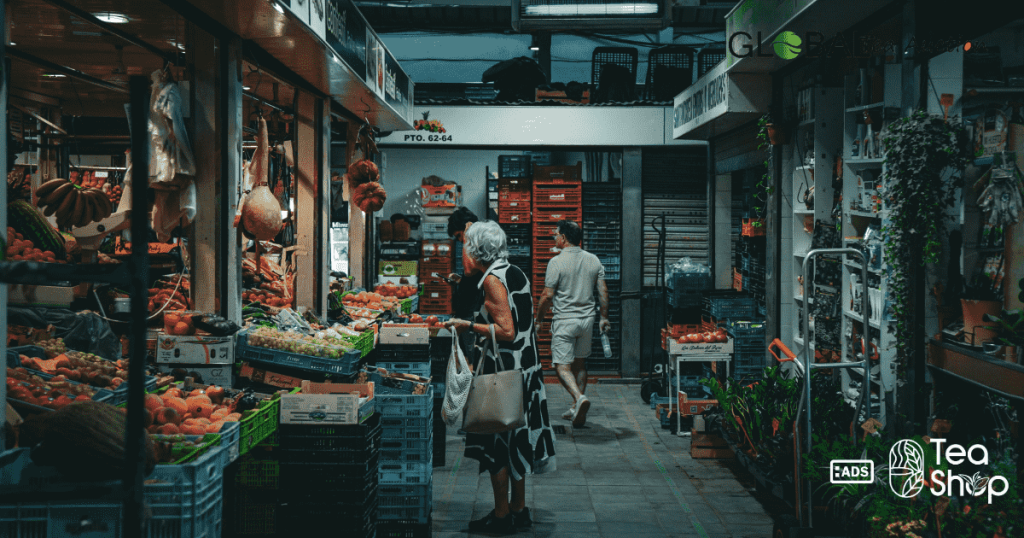
When sourcing bulk tea Canada wide, you aren’t just buying leaves; you are buying into a supply chain that spans continents. From the high-altitude gardens of Darjeeling to the organic farms of Japan, the origin of your tea dictates its base cost. But once it lands on Canadian soil, domestic factors take over.
Types of Tea in the Wholesale Market
To understand pricing, you must first understand the product. The variety available to Canadian wholesalers is vast, but generally falls into a few key categories:
- Black Tea: The most consumed type, known for its robust flavor. It is fully oxidized.
- Green Tea: Unoxidized leaves that retain a lighter color and flavor. This segment is booming, currently accounting for 35% of total tea consumption in Canada.
- Herbal Tea (Tisanes): Caffeine-free infusions made from herbs, fruits, seeds, or roots.
- Oolong and White Tea: Specialty teas with varying degrees of oxidation, often commanding higher price points due to complex processing methods.
- Matcha: Powdered green tea which has seen explosive growth in both beverage and culinary applications.
Factors Affecting Wholesale Tea Prices
Why does one kilogram of green tea cost $15 while another costs $50? Wholesale tea pricing is rarely arbitrary. It is a reflection of value, scarcity, and compliance.
Quality and Grading
In the tea industry, grading is paramount. A “Broken Orange Pekoe” (BOP) will cost differently than a “Flowery Orange Pekoe” (FOP). Whole leaf teas generally command higher prices than broken leaves or fannings (dust), which are typically used in tea bags. For a premium tea shop, investing in whole leaf grades is non-negotiable, despite the higher upfront cost.
Origin and Terroir
Just like wine, tea is defined by where it is grown. A First Flush Darjeeling is often referred to as the “Champagne of teas” and is priced accordingly. Conversely, mass-produced black teas from regions with automated harvesting will offer much lower wholesale tea rates 2026.
Certifications: Organic and Fair Trade
This is a critical value driver. Data shows that organic and Fair Trade tea sales have grown by 15% annually over the past five years. Consumers are voting with their wallets, demanding ethical sourcing. However, these certifications come with costs. Farmers must pay for audits and adhere to strict standards, costs which are passed down the supply chain.
Volume and Minimum Order Quantities (MOQs)
The fundamental rule of B2B commerce applies here: buy more, pay less. Wholesalers like Metropolitan Tea Company or The Tea Emporium often have tiered pricing. A 50kg order will secure a better per-unit rate than a 5kg order. Small businesses must balance the benefit of bulk discounts against the risk of holding inventory that might degrade over time.
Typical Bulk Rates and Pricing Structures
While prices fluctuate based on market conditions and currency exchange rates, having a baseline helps in forecasting.
Below is a snapshot of typical pricing ranges you might encounter in the Canadian market for standard to premium grades.
| Tea Type | Average Wholesale Price Range (per kg) | Premium / Specialty Price Range (per kg) |
|---|---|---|
| Black Tea | $8 – $15 | $25 – $60+ |
| Green Tea | $12 – $20 | $40 – $100+ (e.g., Gyokuro) |
| Herbal Blends | $15 – $25 | $30 – $50 |
| Matcha | $30 – $50 (Culinary) | $80 – $150+ (Ceremonial) |
| Oolong | $20 – $40 | $60 – $200+ |
Note: These figures are estimates based on current market analysis and can vary significantly based on specific supplier relationships and volume commitments.
Understanding “Landed Cost”
The price on the wholesaler’s sheet is rarely the final cost. You must calculate the “landed cost,” which includes:
- Shipping: Domestic freight within Canada can be expensive, especially shipping to or from Western Canada.
- Tariffs and Customs: If you are importing directly rather than buying from a Canadian distributor.
- Insurance: Protecting your cargo during transit.
Calculating Margins and Profitability for B2B Tea Sales
Success in the B2B tea market Canada depends on healthy margins. If you are a retailer or a cafe, you are likely selling by the cup or in smaller retail packaging (50g or 100g pouches).
The Retail Margin Formula
A standard retail markup in the tea industry is often between 200% to 400% on loose leaf tea.
Example Calculation:
- You purchase a high-quality Earl Grey for $15.00 per kg.
- Cost per gram = $0.015.
- You sell it in 50g pouches.
- Cost of Goods Sold (COGS) for tea: $0.015 x 50 = $0.75.
- Packaging Cost: Label + Pouch = $0.50.
- Total Unit Cost: $1.25.
- Retail Price: $8.00.
- Gross Margin: ($8.00 – $1.25) / $8.00 = 84%.
The Cafe/Food Service Margin
Margins are typically higher for tea served by the cup because the labor and overhead are the primary costs, not the leaves themselves.
Example Calculation:
- You use 2.5g of tea for a 12oz cup.
- Tea Cost: $0.015 x 2.5 = $0.0375.
- Cup/Lid/Sleeve Cost: $0.40.
- Total Material Cost: ~$0.44.
- Selling Price: $3.50.
- Gross Margin: ~87%.
While these tea margin Canada figures look attractive, they must cover rent, labor, marketing, and equipment.
Key Trends Shaping the Wholesale Market
The tea industry is not static. To stay competitive, buyers must align their inventory with consumer demands.
1. The Rise of Functional Wellness
Consumers are looking for teas that do more than taste good; they want function. Teas marketed for sleep, digestion, immunity, and energy are seeing surged demand. Blends incorporating adaptogens like ashwagandha or turmeric are becoming B2B staples.
2. Premiumization and Specialty Tea
The “third wave” movement that revolutionized coffee is happening in tea. Customers are becoming educated about varietals, harvest dates, and processing methods. Offering a generic “Green Tea” is no longer enough; offering a “Spring Harvest Dragonwell” captures the high-value customer.
3. Sustainability and Ethics
With Organic and Fair Trade sales growing at 15% annually, ethical sourcing is a baseline expectation for many millennials and Gen Z consumers. Wholesalers like Numi Organic Tea and Organic Matters have built their reputations on this transparency.
4. Cold Brew and Ready-to-Drink (RTD)
As summer hits, the demand for iced tea options skyrockets. But we aren’t talking about sugary powders. We are seeing a rise in cold-brew specific tea bags and high-quality RTD bottled teas that preserve the delicate antioxidants of the leaf.
Regulations and Compliance: The Boring but Essential Stuff
Ignoring regulations is the fastest way to shut down a tea business. In Canada, the regulatory environment is strict but clear.
CFIA and Food Safety
The Canadian Food Inspection Agency (CFIA) oversees all food products sold in Canada. Whether you are importing or buying locally for resale, the tea must meet safety standards regarding pesticide residues and heavy metals.
Labeling Requirements
If you are repackaging bulk tea for retail, you must adhere to strict labeling laws. This includes:
- Bilingual labeling (English and French).
- Common name of the product.
- Net quantity.
- List of ingredients (descending order of proportion).
- Name and address of the principal place of business.
- Nutrition Facts table (though loose leaf tea is often exempt unless specific health claims are made).
Organic Standards
You cannot simply slap the word “Organic” on your label because your supplier said it was grown naturally. To market tea as organic in Canada, it must be certified under the Canadian Organic Standards. If you are repackaging, your facility may also need to be certified to maintain the chain of custody.

Tips for Sourcing Reliable Tea Wholesalers
Finding the right partner is crucial. Here is a checklist for vetting potential suppliers in the Canadian Tea Wholesale space:
- Request Samples: Never buy bulk without tasting first. A reputable wholesaler will always provide samples.
- Ask About Freshness: Ask for harvest dates. Tea is an agricultural product; old tea loses flavor and value.
- Check Certifications: Ask for current documentation for Organic or Fair Trade claims.
- Inquire About Consistency: Will the “English Breakfast” you buy today taste the same in six months? Blending consistency is a hallmark of a good wholesaler.
- Assess Support: Do they offer training? Marketing materials? Tea menu consulting? Suppliers like Metropolitan Tea Company often provide extensive support to their B2B clients.
Competitive Landscape: Who are the Players?
The market is diverse, ranging from massive distributors to boutique importers.
- DavidsTea: While known for retail, their wholesale arm is powerful, leveraging huge brand recognition.
- T. Kettle: A strong contender for businesses looking for trendy, flavored blends that appeal to a younger demographic.
- Adagio Teas: Excellent for those needing lower MOQs and customizable options.
- Camellia Sinensis: Based in Quebec, they are world-renowned for their direct sourcing and high-end orthodox teas, perfect for upscale hospitality.
Future Outlook
The future is bright for the Canadian tea industry. As the market approaches that $1.6 billion valuation, the businesses that will thrive are those that balance operational efficiency with a genuine passion for the product. Understanding wholesale tea rates 2026 isn’t just about finding the cheapest leaf; it’s about finding the best value that allows you to deliver a premium experience to your customer while maintaining a healthy bottom line.
Whether you are a startup cafe in Vancouver or an online retailer in Halifax, the data is clear: invest in quality, prioritize ethics, and watch your margins—and your customer loyalty—grow.