
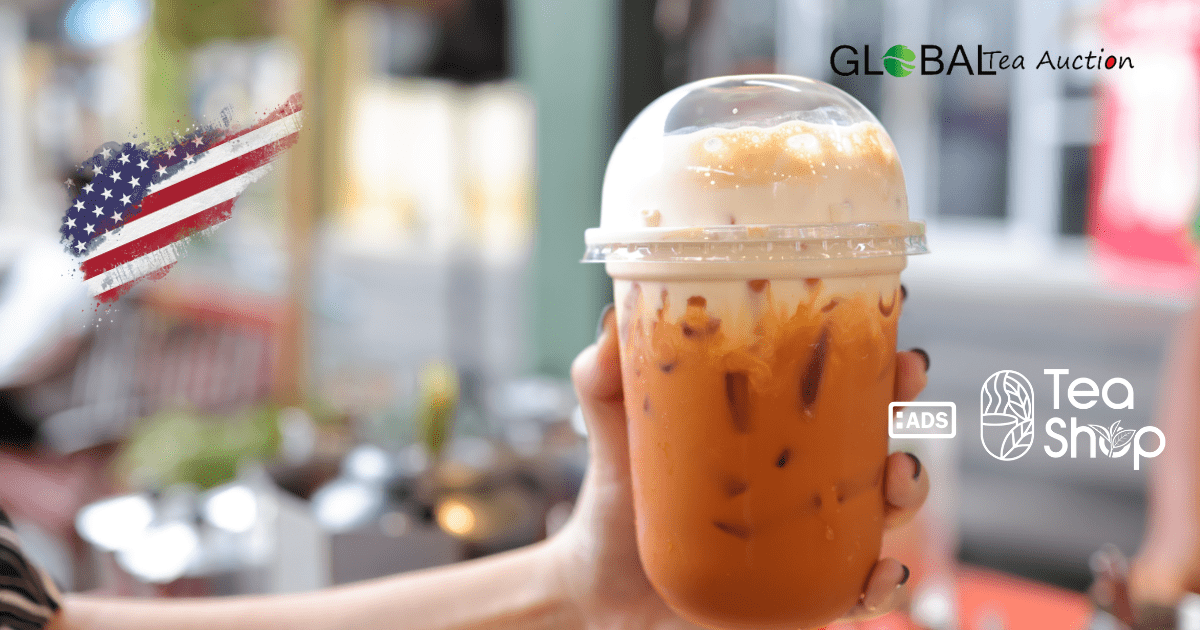
Why Iced Tea Is America’s Favorite Tea: Market Trends & Consumer Insights
In the landscape of American beverages, one drink stands tall: iced tea. It’s more than just a refreshment; it’s a cultural staple. From front porch swings in the South to bustling city cafes, a cold glass of iced tea is a quintessential part of the American experience. This simple infusion of tea leaves and cold water has captured the nation’s palate, making it the most consumed type of tea in the United States.
But what makes iced tea so special? Why has it become America’s favorite way to enjoy tea? This comprehensive guide will explore the journey of iced tea from its historical roots to its current market dominance. We will analyze the market trends shaping the industry, uncover the consumer insights driving its popularity, and examine the regional nuances that make American iced tea culture so diverse.
We’ll also look into the health aspects of iced tea, comparing it to other popular beverages, and address the environmental considerations tied to its production. Finally, we’ll look ahead to predict the future of the U.S. iced tea market, offering a complete picture of this beloved beverage. This is the definitive story of iced tea in America.
A Brief History of Iced Tea in America
The story of iced tea in America isn’t as modern as you might think. Its roots stretch back to the 19th century. English and American cookbooks from the early 1800s featured recipes for cold tea punches, often spiked with liquor and served at social gatherings. These were the precursors to the iced tea we know today.

The real breakthrough moment for iced tea, however, came at the 1904 St. Louis World’s Fair. Richard Blechynden, a tea plantation owner, was struggling to sell hot tea to fairgoers under the sweltering summer sun. In a moment of inspiration, he poured his brewed tea over ice. The resulting chilled beverage was an instant sensation. Visitors flocked to his stand, and the popularity of iced tea soared. This event is widely credited with popularizing iced tea across the nation and cementing its place in American culture.
Throughout the 20th century, iced tea became a household staple. The invention of automatic ice makers and the rise of convenience culture fueled its growth. Bottled and canned ready-to-drink (RTD) teas appeared on store shelves, making it easier than ever for Americans to enjoy their favorite cold drink on the go.
U.S. Iced Tea Market: Trends and Key Players
The U.S. iced tea market is a powerhouse in the beverage industry. It’s not just a popular drink; it’s a significant economic force. The market is dynamic, with consistent growth driven by evolving consumer preferences and innovative product offerings.
Market Size and Growth
The demand for iced tea in the United States continues to climb. The market is projected to reach an impressive $18 billion by 2026. This growth is a testament to the drink’s enduring appeal and its ability to adapt to changing consumer tastes. A significant portion of this market is dominated by ready-to-drink (RTD) tea, which accounts for approximately 75% of total iced tea sales. The convenience of pre-packaged iced tea fits perfectly with the fast-paced American lifestyle, making it a go-to choice for consumers.
Key Market Players
The U.S. iced tea market is competitive, with several major brands vying for consumer loyalty. These companies have shaped the industry through extensive marketing, diverse product lines, and strategic positioning.
| Brand | Parent Company | Market Niche | Key Products |
|---|---|---|---|
| Lipton | PepsiCo/Unilever | Mass-market, broad appeal | Lipton Iced Tea (various flavors), Pure Leaf |
| AriZona | AriZona Beverage Co. | Value-driven, youth appeal | Canned iced teas, Arnold Palmer |
| Snapple | Keurig Dr Pepper | Quirky, natural flavors | Iced teas, juice drinks |
| Gold Peak | The Coca-Cola Company | Premium, home-brewed taste | Gold Peak Iced Tea |
| Teavana | Starbucks/Anheuser-Busch | Premium, specialty tea | Bottled craft iced teas |
These major players dominate the RTD tea consumption landscape, but there is also a growing segment of smaller, craft brands. These artisanal companies often focus on organic ingredients, unique flavor combinations, and sustainable sourcing, catering to a niche market of discerning consumers. The rise of these smaller brands indicates a broader trend toward premiumization and authenticity in the beverage industry.
Why Americans Love Iced Tea: Consumer Insights
The immense popularity of iced tea in America isn’t accidental. It’s a result of a combination of factors that align perfectly with consumer desires: taste, health, convenience, and cultural resonance.
A Refreshing and Versatile Flavor Profile
At its core, iced tea is simply a refreshing beverage. Its clean, crisp taste makes it an ideal thirst-quencher, especially during hot weather. But its versatility is what truly sets it apart. Iced tea can be customized in countless ways:
- Sweetness: From unsweetened to sugary-sweet, consumers can control the sweetness level to their liking.
- Flavor Infusions: Lemon is the classic addition, but fruits like peach, raspberry, and mango are also incredibly popular. Herbal infusions, such as mint or ginger, add another layer of complexity.
- Tea Varieties: While black tea is the most common base, accounting for 65% of iced tea consumption, green tea (20%), white tea, and herbal teas are also widely used, each offering a distinct flavor profile.
This adaptability allows consumers to create a personalized beverage that perfectly suits their taste preferences, making iced tea a drink for everyone.
The Health Halo
In an era of increased health consciousness, many consumers are turning away from sugary sodas and artificial drinks. Iced tea, particularly unsweetened varieties, benefits from a “health halo.” It’s perceived as a more natural and healthier alternative.
The numbers support this perception. Health-conscious consumers are driving a 15% annual growth in the unsweetened iced tea segment. Key health benefits associated with iced tea include:
- Lower Sugar Content: Unsweetened iced tea is sugar-free, making it a better choice for managing weight and blood sugar levels.
- Antioxidants: Tea is rich in flavonoids, which are antioxidants that can help protect the body from damage caused by free radicals.
- Hydration: Iced tea is a flavorful way to stay hydrated throughout the day.
This combination of refreshing taste and perceived health benefits makes iced tea a guilt-free indulgence for many.
Unmatched Convenience
The modern American lifestyle is fast-paced and convenience-oriented. The rise of ready-to-drink (RTD) tea USA is a direct response to this reality. Grabbing a bottle of iced tea from a convenience store or vending machine is quick and easy. This accessibility has been a major driver of the market’s growth.
Beyond RTD options, iced tea is also simple to make at home. Whether brewing it fresh or using an instant mix, preparing a pitcher of iced tea requires minimal effort, making it a household staple for families across the country.
Sweet Tea and Regional Divides
You can’t talk about iced tea in America without talking about sweet tea. In the Southern United States, sweet tea isn’t just a drink; it’s a cultural institution. It’s served at every meal and social gathering, and recipes are often passed down through generations.
The Southern Sweet Tea Tradition
The defining characteristic of Southern sweet tea is that the sugar is added while the tea is still hot, allowing it to fully dissolve and integrate into the beverage. This creates a uniformly sweet and smooth drink that is distinctly different from simply adding sugar to cold iced tea.
The cultural significance of sweet tea in the South cannot be overstated. It symbolizes hospitality and tradition. The numbers reflect its regional dominance: sweet tea popularity is so high that its consumption is 60% higher in the Southern U.S. compared to other parts of the country. This strong regional preference has a significant impact on the marketing and distribution strategies of beverage companies.
Regional Preferences Across the U.S.
While the South is famous for its sweet tea, other regions have their own iced tea preferences:
- Northeast: Consumers in the Northeast tend to prefer unsweetened iced tea, often with a slice of lemon. There is also a strong market for flavored iced teas, such as raspberry and peach.
- Midwest: The Midwest has a mix of preferences, with both sweetened and unsweetened iced tea being popular. The region is a “swing state” for tea, where consumer tastes are more varied.
- West Coast: On the West Coast, there is a strong trend toward healthier and more exotic options. Green tea, herbal infusions, and organic iced teas are particularly popular in states like California and Oregon.
These regional differences highlight the diverse palate of the American consumer and the need for brands to tailor their products to local tastes.
Health and Nutritional Breakdown
When considering a daily beverage, health and nutrition are top of mind for many Americans. Iced tea often comes out ahead when compared to other popular drinks, but the details matter.
Iced Tea vs. Soda
| Nutrient (per 12 oz) | Unsweetened Iced Tea | Sweetened Iced Tea | Cola |
|---|---|---|---|
| Calories | ~2 | ~90 | ~140 |
| Sugar | 0g | ~22g | ~39g |
| Caffeine | ~40mg | ~40mg | ~34mg |
| Antioxidants | High | High | None |
The primary difference lies in the sugar content. A standard sweetened iced tea contains significantly less sugar than a can of cola, while unsweetened iced tea contains none at all. This makes it a clear winner for anyone looking to reduce their sugar intake.
The Dark Side of Sweet Tea
While often perceived as healthier than soda, commercially prepared sweet teas can be deceptively high in sugar. Some popular brands contain as much sugar per serving as a soft drink. This has led to an increased demand for “lightly sweetened” or “half-and-half” (half sweet, half unsweet) options, as consumers seek a balance between flavor and health.
The Environmental Footprint of Iced Tea
As consumers become more environmentally conscious, the sustainability of their favorite products comes under scrutiny. The production and packaging of iced tea have an environmental impact that the industry is beginning to address.
From Farm to Glass
The journey of iced tea begins on a tea farm. The environmental impact of tea cultivation can vary greatly depending on the farming practices used. Conventional tea farming may involve the use of pesticides and synthetic fertilizers, which can harm local ecosystems. In contrast, organic and regenerative farming practices aim to improve soil health and biodiversity.
Water usage is another critical factor. Tea plants require significant amounts of water, and in regions facing water scarcity, this can be a major issue. Sustainable tea producers are implementing water conservation techniques, such as drip irrigation, to reduce their impact.
The Packaging Problem
The dominance of RTD tea consumption means that packaging is a major environmental concern. Most RTD iced teas are sold in plastic bottles or aluminum cans.
- Plastic Bottles: Single-use plastic is a major contributor to pollution. While many PET plastic bottles are recyclable, recycling rates in the U.S. remain low.
- Aluminum Cans: Aluminum is infinitely recyclable, and the recycling process uses significantly less energy than producing new aluminum. This makes cans a more environmentally friendly option than plastic.
- Glass Bottles: Glass is also recyclable, but it is heavier and more energy-intensive to transport, which increases its carbon footprint.
In response to consumer demand for sustainable options, many brands are exploring alternative packaging, such as cartons made from plant-based materials and recycled plastics. Encouraging consumers to brew tea at home from loose-leaf tea or tea bags is another way to reduce packaging waste.
The Future of Iced Tea: Iced Tea Trends 2026
The U.S. iced tea market is poised for continued evolution. Several key trends are expected to shape the industry in the coming years, with iced tea trends 2026 pointing toward innovation and sustainability.
New Flavors and Functional Ingredients
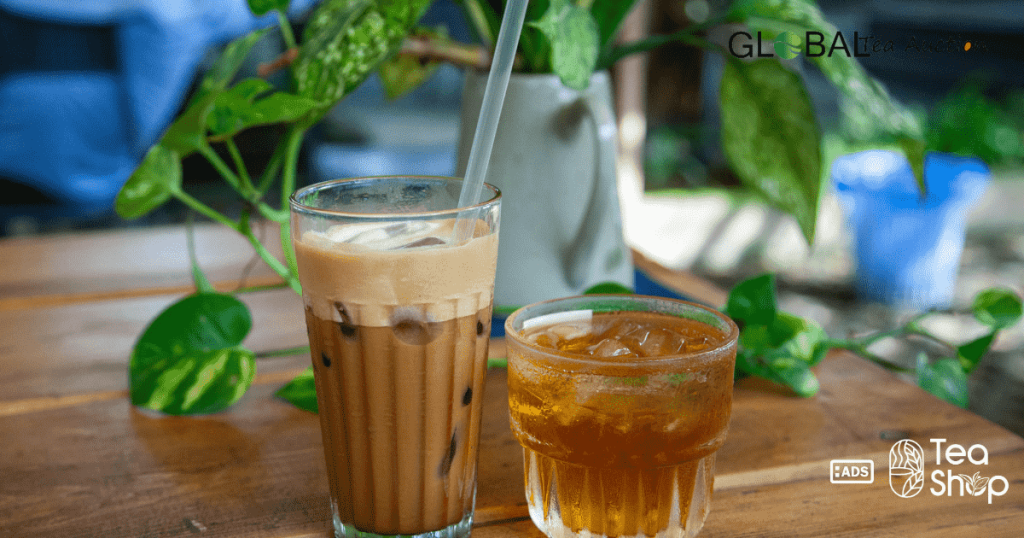
Consumers are always seeking new and exciting flavors. The future of iced tea will see an expansion of exotic fruit and botanical infusions. Flavors like hibiscus, elderflower, and yuzu are gaining popularity.
Additionally, there is a growing interest in functional beverages. Iced teas infused with ingredients like CBD, adaptogens (like ashwagandha), and probiotics are emerging. These products cater to consumers looking for beverages that offer specific health benefits beyond simple hydration.
A Deeper Focus on Sustainability
Sustainability will become a non-negotiable for beverage brands. Consumers, particularly younger generations, are demanding transparency and ethical sourcing. We can expect to see more brands obtaining certifications like Fair Trade, Rainforest Alliance, and USDA Organic. The push for sustainable packaging will also intensify, with a move away from virgin plastics toward recycled and plant-based materials.
Technological Innovations
Technology will play a greater role in the iced tea experience. Smart brewing machines that allow for precise control over temperature and steep time will become more common. Subscription services that use AI to recommend new teas based on a user’s taste profile will also gain traction, offering a personalized discovery experience.
Your Guide to the Best Tea
Iced tea’s journey from a 19th-century punch to a multi-billion dollar industry is a testament to its simple, adaptable, and refreshing nature. It has woven itself into the fabric of American culture, offering a comforting sense of tradition while constantly evolving to meet modern tastes. Its ability to be both a healthy, natural beverage and a customizable, flavorful treat gives it a unique and enduring appeal.
From the sweet tea traditions of the South to the health-conscious innovations on the West Coast, iced tea reflects the diverse and dynamic character of America itself. As the market continues to grow and innovate, one thing is clear: iced tea is here to stay as America’s favorite tea. For those looking to explore the vast world of tea further, our resources offer expert guidance.
Frequently Asked Questions
1. Is iced tea as healthy as hot tea?
Yes, iced tea offers the same antioxidant benefits as hot tea. The main difference in healthiness comes from added sugar. Unsweetened iced tea is just as healthy as its hot counterpart, providing hydration and beneficial plant compounds without extra calories.
2. Which type of tea is best for making iced tea?
Black tea is the most popular choice for traditional American iced tea due to its bold, robust flavor that holds up well when chilled. However, green tea offers a lighter, more delicate flavor, while herbal teas like hibiscus or mint can create refreshing, caffeine-free options. The “best” type really depends on personal preference.
3. Why is sweet tea so popular in the Southern U.S.?
The popularity of sweet tea in the South is deeply rooted in history and culture. It emerged as a symbol of hospitality in the 19th century when ice and sugar became more accessible. The tradition of adding sugar to hot tea to create a super-saturated sweet solution became a regional signature, passed down through generations.
4. What are the main differences between store-bought and homemade iced tea?
The biggest differences are control and cost. Homemade iced tea gives you complete control over the type of tea, sweetness level, and flavorings. It’s also significantly more cost-effective. Store-bought RTD teas offer convenience but often contain preservatives and higher levels of sugar and may be made from tea concentrates rather than freshly brewed tea.
5. How can I make my iced tea less bitter?
Bitterness in iced tea is usually caused by over-steeping the tea leaves or using water that is too hot (especially for green tea). To avoid this, use the correct water temperature for your tea type and be careful not to steep it for too long. A pinch of baking soda in the brewing water can also help neutralize tannins and reduce bitterness.
6. Are there any caffeine-free iced tea options?
Absolutely. Many herbal teas, also known as tisanes, are naturally caffeine-free and make excellent iced teas. Popular options include hibiscus, rooibos, chamomile, and peppermint. You can also purchase decaffeinated versions of black and green tea.
7. What are “iced tea trends 2026” I should watch for?
The key trends to watch for include the rise of functional ingredients like adaptogens and probiotics, an increase in exotic and botanical flavor profiles, and a major push toward sustainable and ethically sourced products. Expect to see more craft brands, innovative packaging, and personalized tea subscription services.
References:
- World Tea News – Industry Trends and Analysis
- Tea Association of the U.S.A., Inc. – Tea Fact Sheet
- U.S. Department of Agriculture (USDA) – Tea Consumption Data