
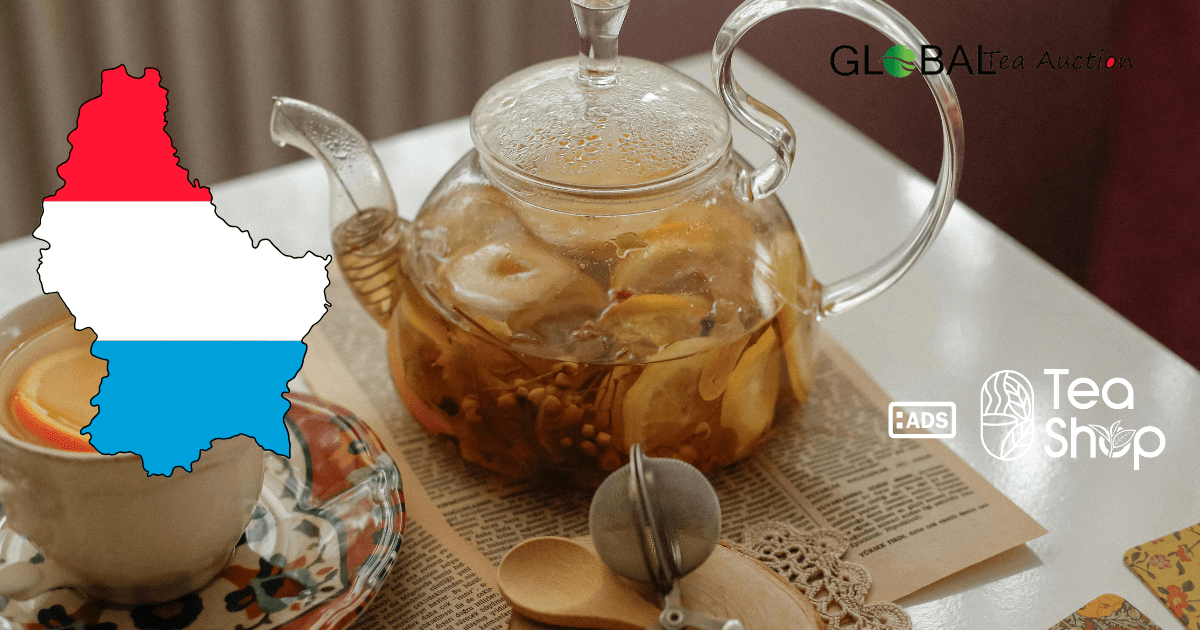
Tea in Luxembourg: Trends, Market Insights & Industry Challenges
Tea is one of the most popular beverages worldwide, with rich histories, deep cultural significance, and an expanding market presence. Luxembourg, a small but strategically located country in the heart of Europe, is an emerging player in the global tea industry. While Luxembourg is not a major tea-producing country, it plays a crucial role as an importer and consumer, with a growing demand for premium teas.
In this article, we will explore the tea market in Luxembourg, including global trends, production statistics, country-wise comparisons, and the challenges and opportunities for stakeholders in the tea industry. Whether you’re a buyer, seller, exporter, or tea factory owner, this in-depth analysis will provide valuable insights into Luxembourg’s tea landscape.
Global Tea Market Trends: A Broad Overview
Before we delve into Luxembourg’s specific tea market, it’s essential to understand the global context. The tea market is one of the largest and most dynamic sectors in the global food and beverage industry. According to the latest reports, the global tea market is expected to grow at a compound annual growth rate (CAGR) of 5.5% between 2021 and 2026, driven by increasing health consciousness, growing disposable incomes, and evolving consumer preferences.
Key Drivers of Global Tea Market Growth
- Health Consciousness: As more people seek healthier alternatives to sugary drinks, tea, particularly green tea, is gaining popularity due to its perceived health benefits, such as antioxidants, weight management, and improved digestion.
- Premiumization: Consumers are increasingly willing to pay a premium for high-quality teas, such as specialty blends, organic teas, and loose-leaf varieties. This trend is driving growth in high-end tea consumption.
- Convenience: The rise of ready-to-drink (RTD) teas, especially in developed markets like the United States and Europe, is creating new growth avenues. These convenient, bottled teas appeal to busy consumers who still seek the health benefits of tea.

Market Segmentation: Black Tea vs. Green Tea
Black tea has historically dominated global tea consumption, accounting for over 70% of total tea consumption worldwide. However, green tea is rapidly gaining market share due to its perceived health benefits. Herbal and specialty teas, including chai, rooibos, and oolong, are also gaining traction in many markets.
Tea Consumption in Luxembourg: A Growing Market for Premium Teas
Luxembourg, with its high standard of living and cosmopolitan population, is increasingly embracing the global trend of premium tea consumption. The country’s tea consumption per capita has been steadily increasing over the past decade, and with an average of 100 liters of tea consumed annually per person, Luxembourg ranks among the higher consumers of tea in Europe.
Key Insights into Luxembourg’s Tea Market
- Import and Consumption Patterns: Luxembourg imports a variety of teas, with the majority coming from established tea-producing countries like India, Sri Lanka, China, and Kenya. The preference for loose-leaf tea is on the rise, especially among tea connoisseurs who seek the freshest and highest-quality blends.
- Growing Popularity of Herbal and Green Teas: As European consumers become more health-conscious, herbal and green teas have gained popularity. In Luxembourg, this trend is reflected in the increasing demand for organic and health-focused teas such as chamomile, peppermint, and matcha.
- Luxury Tea Segments: Tea drinkers in Luxembourg, particularly those from the expatriate and local elite communities, are showing a preference for luxury tea brands. Speciality teas, such as white tea and oolong, are becoming more common in high-end tea shops, cafes, and restaurants.
- Retail Trends: The retail landscape for tea in Luxembourg is evolving, with an increasing number of specialty stores, gourmet shops, and online retailers catering to tea enthusiasts. Additionally, traditional supermarket chains are expanding their tea offerings to include premium and organic varieties.
Key Global Tea Producing Countries: A Comparative Insight
While Luxembourg is not a producer of tea, it heavily depends on global tea production. The top tea-producing countries — China, India, Kenya, and Sri Lanka — shape the global market dynamics, including the types of teas imported into Luxembourg.
China: The Largest Producer and Exporter
China is the world’s largest tea producer, accounting for over 40% of the global tea output. The country’s vast tea gardens in regions like Zhejiang, Fujian, and Yunnan are known for their diverse offerings of green, black, and oolong teas. Luxembourg imports a significant portion of its green and white teas from China, with the country’s health-conscious consumers increasingly preferring these varieties.
India: A Global Tea Hub with Rich Heritage
India is another dominant player in the global tea market, primarily known for its black tea varieties like Assam, Darjeeling, and Nilgiri. India’s tea export industry is robust, and Luxembourg is one of the many European markets that consumes a fair share of Indian tea. In particular, Assam tea, known for its strong flavor and malty notes, is popular in Luxembourg, particularly in high-end cafés.
Kenya: Leading Producer of Black Tea
Kenya is the world’s third-largest producer of tea, and its black teas are popular worldwide for their strong and bold flavor profiles. In Luxembourg, Kenyan teas are often found in specialty blends and ready-to-drink tea products. The strong global demand for Kenyan tea makes it an important player in the Luxembourg tea market.
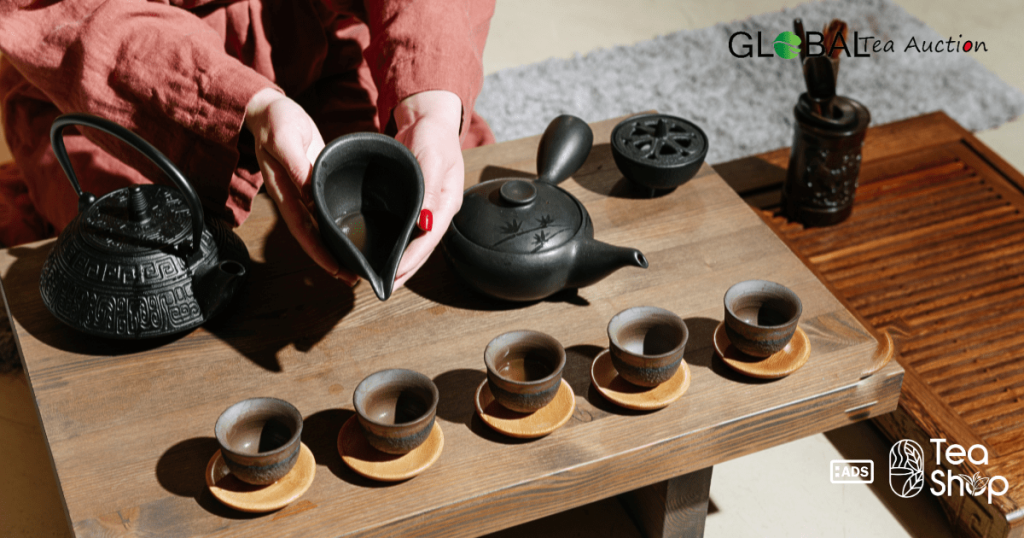
Sri Lanka: Ceylon Tea as a Premium Brand
Sri Lanka, with its renowned Ceylon tea, is a key exporter to Luxembourg. Ceylon tea is known for its bright color, bold flavor, and unique citrusy aroma. The popularity of Ceylon tea in Luxembourg is bolstered by the country’s demand for high-quality, premium teas.
Challenges and Opportunities in the Tea Industry
The global tea industry, including Luxembourg, faces several challenges, but also a wealth of opportunities for buyers, sellers, and exporters.
Key Challenges
- Climate Change: Tea cultivation is sensitive to changes in weather patterns. Rising temperatures, unpredictable rainfall, and other effects of climate change are threatening tea crops, particularly in regions like Assam and Kenya.
- Sustainability Concerns: As consumers become more aware of environmental issues, there is a growing demand for sustainably sourced teas. Ensuring ethical and eco-friendly practices in tea production is becoming a challenge for producers worldwide.
- Economic Fluctuations: The tea market is also subject to economic shifts, such as changes in commodity prices and international trade tariffs. These factors can significantly impact the price of tea for both exporters and consumers in Luxembourg.
Emerging Opportunities
- Niche Markets: As the demand for specialty teas rises, there are ample opportunities for sellers and exporters to tap into niche markets in Luxembourg. Organic teas, wellness teas, and rare, artisanal blends are growing in popularity.
- E-commerce and Online Retail: The increasing shift toward online shopping has opened new avenues for tea sales in Luxembourg. For exporters, establishing a strong online presence and direct-to-consumer sales channels presents a significant opportunity.
- Sustainability Initiatives: With consumers demanding more ethically produced products, there is an opportunity for tea producers and exporters to focus on sustainable and fair-trade certification, which appeals to the environmentally-conscious Luxembourg market.
Practical Tips for Tea Buyers, Sellers, and Exporters
- Know Your Market: Understand the specific preferences of Luxembourg tea drinkers. Research which teas, such as green, black, or herbal varieties, are most in demand and tailor your offerings accordingly.
- Focus on Quality: The Luxembourg market values high-quality, premium teas. Sellers should focus on offering top-tier products and invest in packaging that reflects the luxury image of their tea.
- Build Relationships: Establishing strong relationships with local retailers, cafes, and specialty shops in Luxembourg can open doors to new sales channels. Networking at tea trade events and participating in tea auctions can also help.
- Sustainability is Key: Consider certifications such as Fair Trade or Organic to meet the growing consumer demand for ethical and environmentally responsible products.
Conclusion: Luxembourg’s Growing Tea Market
Luxembourg may not be a major tea-producing nation, but it plays an essential role in the global tea market as an importer and consumer. With rising demand for premium, organic, and specialty teas, the Luxembourg tea market offers ample opportunities for exporters and sellers. However, challenges such as climate change, sustainability concerns, and market competition require careful navigation. By understanding these dynamics, stakeholders can position themselves for success in Luxembourg’s evolving tea industry.
FAQs
1. What types of tea are most popular in Luxembourg?
Luxembourg has a growing demand for high-quality green, black, and herbal teas, with organic and premium blends seeing increased popularity.
2. Is Luxembourg a tea-producing country?
No, Luxembourg does not produce tea. It is an importer, relying on global suppliers from countries like China, India, and Sri Lanka.
3. What are the global tea market growth trends?
The global tea market is growing at a CAGR of 5.5%, driven by health consciousness, premiumization, and increased demand for ready-to-drink teas.
4. Which countries supply tea to Luxembourg?
Luxembourg imports tea from major producers such as China, India, Sri Lanka, and Kenya, focusing on high-quality blends.
5. How can tea sellers succeed in Luxembourg?
By offering premium teas, understanding local preferences, and focusing on sustainable practices, tea sellers can find success in Luxembourg’s growing market.
6. What are the challenges in the global tea industry?
Climate change, sustainability concerns, and economic fluctuations are key challenges in the global tea industry, affecting both producers and consumers.